EP0018580B1 - Method of propagating babesia and non-babesia hemotropic parasites and method of determining the anti-babesia therapeutic effectiveness of a substance - Google Patents
Method of propagating babesia and non-babesia hemotropic parasites and method of determining the anti-babesia therapeutic effectiveness of a substance Download PDFInfo
- Publication number
- EP0018580B1 EP0018580B1 EP80102168A EP80102168A EP0018580B1 EP 0018580 B1 EP0018580 B1 EP 0018580B1 EP 80102168 A EP80102168 A EP 80102168A EP 80102168 A EP80102168 A EP 80102168A EP 0018580 B1 EP0018580 B1 EP 0018580B1
- Authority
- EP
- European Patent Office
- Prior art keywords
- babesia
- culture medium
- parasites
- percent
- incubation step
- Prior art date
- Legal status (The legal status is an assumption and is not a legal conclusion. Google has not performed a legal analysis and makes no representation as to the accuracy of the status listed.)
- Expired
Links
Images

Classifications
-
- A—HUMAN NECESSITIES
- A61—MEDICAL OR VETERINARY SCIENCE; HYGIENE
- A61K—PREPARATIONS FOR MEDICAL, DENTAL OR TOILETRY PURPOSES
- A61K39/00—Medicinal preparations containing antigens or antibodies
- A61K39/002—Protozoa antigens
- A61K39/015—Hemosporidia antigens, e.g. Plasmodium antigens
- A61K39/018—Babesia antigens, e.g. Theileria antigens
-
- C—CHEMISTRY; METALLURGY
- C12—BIOCHEMISTRY; BEER; SPIRITS; WINE; VINEGAR; MICROBIOLOGY; ENZYMOLOGY; MUTATION OR GENETIC ENGINEERING
- C12N—MICROORGANISMS OR ENZYMES; COMPOSITIONS THEREOF; PROPAGATING, PRESERVING, OR MAINTAINING MICROORGANISMS; MUTATION OR GENETIC ENGINEERING; CULTURE MEDIA
- C12N1/00—Microorganisms; Compositions thereof; Processes of propagating, maintaining or preserving microorganisms or compositions thereof; Processes of preparing or isolating a composition containing a microorganism; Culture media therefor
- C12N1/10—Protozoa; Culture media therefor
-
- C—CHEMISTRY; METALLURGY
- C12—BIOCHEMISTRY; BEER; SPIRITS; WINE; VINEGAR; MICROBIOLOGY; ENZYMOLOGY; MUTATION OR GENETIC ENGINEERING
- C12Q—MEASURING OR TESTING PROCESSES INVOLVING ENZYMES, NUCLEIC ACIDS OR MICROORGANISMS; COMPOSITIONS OR TEST PAPERS THEREFOR; PROCESSES OF PREPARING SUCH COMPOSITIONS; CONDITION-RESPONSIVE CONTROL IN MICROBIOLOGICAL OR ENZYMOLOGICAL PROCESSES
- C12Q1/00—Measuring or testing processes involving enzymes, nucleic acids or microorganisms; Compositions therefor; Processes of preparing such compositions
- C12Q1/02—Measuring or testing processes involving enzymes, nucleic acids or microorganisms; Compositions therefor; Processes of preparing such compositions involving viable microorganisms
- C12Q1/18—Testing for antimicrobial activity of a material
-
- Y—GENERAL TAGGING OF NEW TECHNOLOGICAL DEVELOPMENTS; GENERAL TAGGING OF CROSS-SECTIONAL TECHNOLOGIES SPANNING OVER SEVERAL SECTIONS OF THE IPC; TECHNICAL SUBJECTS COVERED BY FORMER USPC CROSS-REFERENCE ART COLLECTIONS [XRACs] AND DIGESTS
- Y10—TECHNICAL SUBJECTS COVERED BY FORMER USPC
- Y10S—TECHNICAL SUBJECTS COVERED BY FORMER USPC CROSS-REFERENCE ART COLLECTIONS [XRACs] AND DIGESTS
- Y10S435/00—Chemistry: molecular biology and microbiology
- Y10S435/8215—Microorganisms
- Y10S435/947—Microorganisms using protozoa
Definitions
- the present invention relates generally to in vitro propagation of homotropic parasites and more specifically to novel methods for large scale propagation of Babesia parasites and production of extracellular Babesia antigen, as defined in the claims.
- Babesia parasites are the causative agents of hemoclastic animal deise d ses on a world-wide basis. Tick-borne species of this genus are known to infect: cattle (B bovis, B. bigemina, B. divergens, B. major); dogs (B. canis, B. gibsoni, B. vogali); horses (B. equi, B. caball lÎ ; and rodents (B. rodhaini, B. microti7. B. bovis and B. microti are also known to be infective in humans.
- Immunologically active agents have not heretofore generally been available for use as vaccine components in conferring immunity against infection by Babesia parasites. This has been due in large part to difficulties attending quantititative, in vitro propagation of Babesia parasites, and especially the difficulties inherent in separating immunologically significant materials (e.g., killed, whole antigenic merozoite stages of the parasite) from host erythrocyte cells and "contaminating" host cell components such as hemoglobin.
- immunologically significant materials e.g., killed, whole antigenic merozoite stages of the parasite
- the preferred propagative procedures of the invention include static incubation of a layer of infected erythrocytes in a culture medium comprising from about 25 to 55 percent serum combined with a suitably buffered conventional erythrocyte growth promoting medium. Incubation is carried out in an atmosphere having an enhanced carbon dioxide content with the culture medium providing a static overlaying column of a depth sufficient to reduce oxygen tension and maintain erythrocytic hemoglobin essentially in a deoxy state. Specific soluble Babesia antigen is easily harvested from the growth medium.
- merozoite stages of Babesia parasites are obtained in quantity by discontinuation of enhanced carbon dioxide tension conditions on the incubating culture. This process results in large scale migration of merozoites into the culture medium wherein they exhibit a decreased tendency to infect host cells.
- Merozoites may be easily isolated from the culture medium without the difficulties ordinarily attending separation of parasites from host erythrocytes. Merozoites so obtained may be employed to secure live or killed antigen preparations, or alternately used to prepare subcultures wherein the infective tendencies of the merozoites are restored when conditions of enhanced carbon dioxide tension are reestablished.
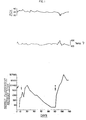
- Figures 1 and 2 relate to vaccination test and challenge work involving soluble Babesia bovis antigen isolated from growth medium.
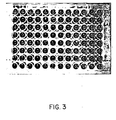
- Figure 3 illustrates visually determinable aspects aspects of in vitro propagative methods of the invention.
- Erythrocytes suitable for use in practice of the propagative methods of the invention generally consist of a collection of cells obtained from blood of an infected animal and displaying from 0.1 to 5 percent infected cells.
- the culture medium employed consists of a combination of homologous (or as described below, heterologous) species serum obtained from a non-infected animal and a suitable erythrocyte growth promoting medium.
- Acceptable conventional media include Medium 199 [Grand Island Biological Corp. (GIBC O)] and RPMI 1640 (GIBCO). Beneficial effects are noted when the glucose content of such media is augmented. By way of example, excellent results are obtained by use of Medium 199 wherein glucose concentration is adjusted upward from 5.55 mM to about 16.5 mM.
- the serum component of the culture medium may be provided in quantities ranging from an effective minimum of 25 up to 55 percent by volume, and preferably 40 percent.
- a culture medium containing less than 25 percent serum will not optimally provide parasite propagation, while use of 55 percent or more serum provides no substantially increased rate of propagation.
- the culture medium will ordinarily include one or more antibiotics such as penicillin or streptomycin, and will be buffered with conventional buffering substances such as HEPES, TRIS, and the like
- Infected erythrocytes are added to culture medium to reach a final concentration of 4 to 11 and preferably 9 percent and the pH is adjusted (with acid or base, depending on the buffer employed) to 6.9 to 7.4 and preferably about 7.0.
- Some degree of modification of medium pH may be appropriately geared to the particular species of parasite propagated.
- Babesia bovis for example, is best continuously propagated at a pH of 7.0 and B. canis at pH 7.3. Cultures are incubated at a temperature of from 35° to 38°C and preferably 37°C in an atmosphere of air augmented to include 3 to 7 percent, and preferably 5 percent, carbon dioxide. Temperatures of up to 41-42°C will not have serious deleterious effects unless maintained for long periods of time.
- the depth of the culture medium overlaying the settled cells is adjusted to from 0.5 to 0.8 cm and preferably 0.62 cm under the atmospheric conditions described above, thus providing an operative barrier to rapid oxygen transmission from the atmosphere to the parasite and host cells.
- Substantial variations in culture medium depth are acceptable provided that appropriate adjustments are made in the relative oxygen and carbon dioxide conent of the atmosphere. As a rule, these factors should be operatively adjusted to obtain such conditions as will result in the erythrocytic hemoglobin being maintained in its deoxy state - as indicated by the cells having a dark red to "black" color. As one example, such conditions are obtained with the air/5 percent carbon dioxide atmosphere when the medium is 0.62 cm deep, but not when the medium is only 0.16 cm deep. It is further noteworthy that the same medium depth and atmospheric conditions as result in maintenance of hemoglobin of Babesia infected cells in the deoxy state do not provide the same result in a non-infected culture of erythrocytes.
- Figure 3 consists of a photographic representation of a 96-well microtiter plate wherein alternating pairs of rows comprise Babesia-infected and non-infected erythrocyte cultures incubated under identical conditions. Within a period beginning a few hours after commencement of incubation, hemoglobin in infected cells begins to exhibit a darkened color characteristic of the deoxy state (rows 3-4, 7-8, and 11-12 from the left) while non-infected cells show a normal light red color. Present information indicates, therefore, that the described phenomenon is peculiar to parasite infected cells and essential to rapid propagation of parasites.
- Propagative methods of the invention are most suitably carried out under static conditions, i.e., in the absence of regular and substantial agitation of the culture.
- Such agitation makes the required maintenance of erythrocytic hemoglobin in a deoxy state inordinately difficult.
- the deoxy state for host cell hemoglobin was not maintained, for example, in an agitated experimental culture, even though the culture atmosphere had been modified to contain only 2 percent oxygen.
- Substantial agitation of cultures of the invention also appears to promote physical aggregation of extracellular merozoites, thus generally diminishing their capacity to infect erythrocytic hosts.
- incubating cultures of the invention statically is the much preferred practice.
- Subcultures are prepared at 48 to 72 hour intervals by diluting infected cultures with fresh cultures containing uninfected erythrocytes in ratios of from about 1:3 to about 1:20. During medium change and subculturing, the darkened color of the cells in culture temporarily diminishes.
- Isolation of soluble specific Babesia antigen from culture medium is accomplished by conventional centrifugation and selective precipitation techniques.
- Isolation of merozoites from the culture medium is accomplished by selective centrifugation of the culture to effect separation from host cells.
- a culture medium is prepared consisting of 40% fresh, defibrinated bovine serum and 60% Medium 199 supplemented with 25 mM HEPES buffer and containing both 100 units of penicillin and 100 ⁇ g. streptomycin per ml.
- Bovine erythrocytes displaying from 0.1 to 5% (of total population) infection with Babesia bovis are added to the medium to a concentration of 5 to 8%.
- the pH is then adjusted to 7.0 using 1 N HCI, the cultures are plated out in a manner providing for a column of medium 0.62 cm. deep overlaying the settled cells, and then incubated at 37°C in an atmosphere consisting of air augmented to include 5% carbon dioxide and saturated with water vapor.
- Babesia bovis parasites were propagated according to the methods described by Erp, et al. for a period of 32 days. Parasites were multiplied by a factor of 6.4 x 10 5 with a cumulative dilution of 1.92 x 10 5 . The method of Example 1 was carried out for comparative purposes. After 32 days a cumulative increase in parasites of 1.72 x 10 1 °-fold was obtained with a cumulative dilution of 4.84 x 10 9 . Repetitions of the Example 1 for comparative purposes provided cumulative increases in parasites up to about 3.7 x 10 7 over 32 days.
- practice of the invention is expected to provide for large scale production (and accumulation in the culture medium) of specific, cell-free soluble Babesia antigens.
- Merozoite stages of Babesia parasites obtained according to the invention are useful whole (live or killed) as antigenic materials for use in vaccines or as a source of soluble antigen which is also useful as a vaccine component.
- Figures 1 and 2 illustrate in part the results of a test of the in vivo biological activity characteristic of the soluble antigen obtainable from the culture medium upon practice of the propagative methods of the invention.
- a vaccine was prepared from culture supernatant obtained by practice of the general procedures of Example 1. Each dose contained the lyophilized soluble antigen fraction isolated from 10 ml of culture supernatant (wherein the average parasitemia following 3 days of in vitro propagation was about 16.4 percent) reconstituted with 1 ml water and 1 mg of saponin adjuvant (Quil-A, Superflos A/G, Vedback, Denmark, available from Accurate Chemical & Scientific Co., Hicksville, New York).
- FIG. 1 provides data for the experimental animal and Figure 2 provides data for the control animal.
- the experimental cow was injected with a first dose of the vaccine on day 0 and a second dose on day 14 (noted by the unstarred arrows in Fig. 1).
- Antibody titers for the experimental animal rose to a peak at about day 35 and then gradually diminished. Temperature and packed cell volume data remained relatively constant.
- the sterile immunity characteristics derived by the practice of vaccination with antigen obtained according to the invention are illustrated by the absence of infectivity of blood of vaccinated animals. More particularly, for example, 50 ml of blood of the experimental animal of Example 3 was withdrawn 28 days after challenge (i.e., about day 140) and injected into the circulatory system of a splenectomized calf. The calf failed to become infected even though it was later shown to be susceptible to infection by challenge with Babesia bovis.
- Propagative methods of the invention generally provide the most substantial advantages when both erythrocytes and serum are obtained from animals at growth stages wherein factors contributing to natural immunity to parasite infection are absent or suppressed.
- calves up to about 3 months of age generally exhibit a gradually diminishing degree of immunity to infection by Babesia bovis.
- in vitro cultures of the invention wherein such calf erythrocyte cells and/or serum are employed to propagate Babesia bovis are markedly less successful than cultures involving adult bovine blood components.
- Table 1 below provides the results of experimentation with Babesia bovis propagation in cultures including fresh adult and calf bovine blood components. Calf erythrocytes and serum were obtained from animals less than 10 days old. The results reflect the mean cumulative parasite increase factors for a total of 7 experiments, each involving 3 subcultures of two days duration with serum and erythrocyte source as indicated.
- the procedures of the invention are also expected to be useful in propagation of hemotropic protozoan parasites of differing genera, especially those of the genus Plasmodium, as well as with rickettsial parasites such as Anaplasma marginale.
- Example 1 An experiment was conducted to ascertain the effectiveness of propagation of non-Babesia parasites by the procedures of the invention.
- Example 1 was repeated using bovine host erythrocytes infected with Anaplasma marginale and 30 percent defibrinated calf serum from an infected calf.
- Parasitemia was elevated over the first three days from a 1.1 percent initial level to 7.4 percent.
- Following subculture during which parasitemia was reduced to 1.5 percent by addition of fresh erythrocytes there was an increase to 3.6 percent in one day, after which parasitemia remained stable.
- the experiment was terminated on the sixth day after initiation upon rotation of abnormal parasitic morphology.
- the cumulative increase in parasites over the first four days of the procedure was about 1 5-fold.
- the propagative methods of the present invention are useful in the process of screening proposed anti-Babesia therapeutic agents for effectiveness without any need for testing on infected animals.
- varying dosage amounts of the agents are administered directly to the culture medium prior to incubation and the cultures are monitored for the presence or absence of darkened, deoxy-state, hemoglobin.
- cultures containing differing amounts of DL-(4-amidinophenyl)-triazan-(N-1,3)-diaceturate were added to cultures having an initial parasitemia of 0.2 to 0.5%.
- collections of merozoite stages of Babesia obtained by the methods of the invention may be employed to test for the presence, in a fluid sample, of specific antibodies to Babesia, Such antibodies would inhibit the infectivity of merozoites when incorporated in cultures according to the invention which are ordinarily supportive of rapid infection of host cells. Inhibition of infectivity could be monitored on the basis of parasitemia determinations or even the presence or absence of the darkened color characteristic of host erythrocyte hemoglobin in the deoxy state. Further, determinations of specific Babesia antigen can be carried out by observation of the extent to which inhibition of merozoite infectivity by antibodies is diminished by incubation with an antigen-containing sample.
Landscapes
- Health & Medical Sciences (AREA)
- Life Sciences & Earth Sciences (AREA)
- Chemical & Material Sciences (AREA)
- Engineering & Computer Science (AREA)
- Organic Chemistry (AREA)
- Wood Science & Technology (AREA)
- Zoology (AREA)
- General Health & Medical Sciences (AREA)
- Bioinformatics & Cheminformatics (AREA)
- Genetics & Genomics (AREA)
- Microbiology (AREA)
- Tropical Medicine & Parasitology (AREA)
- Biotechnology (AREA)
- Immunology (AREA)
- Proteomics, Peptides & Aminoacids (AREA)
- Biochemistry (AREA)
- General Engineering & Computer Science (AREA)
- Medicinal Chemistry (AREA)
- Analytical Chemistry (AREA)
- Mycology (AREA)
- Toxicology (AREA)
- Biophysics (AREA)
- Virology (AREA)
- Biomedical Technology (AREA)
- Molecular Biology (AREA)
- Physics & Mathematics (AREA)
- Pharmacology & Pharmacy (AREA)
- Epidemiology (AREA)
- Animal Behavior & Ethology (AREA)
- Public Health (AREA)
- Veterinary Medicine (AREA)
- Medicines Containing Antibodies Or Antigens For Use As Internal Diagnostic Agents (AREA)
- Measuring Or Testing Involving Enzymes Or Micro-Organisms (AREA)
- Micro-Organisms Or Cultivation Processes Thereof (AREA)
Description
- The present invention relates generally to in vitro propagation of homotropic parasites and more specifically to novel methods for large scale propagation of Babesia parasites and production of extracellular Babesia antigen, as defined in the claims.
- Babesia parasites are the causative agents of hemoclastic animal deisedses on a world-wide basis. Tick-borne species of this genus are known to infect: cattle (B bovis, B. bigemina, B. divergens, B. major); dogs (B. canis, B. gibsoni, B. vogali); horses (B. equi, B. caballlÎ; and rodents (B. rodhaini, B. microti7. B. bovis and B. microti are also known to be infective in humans.
- Immunologically active agents have not heretofore generally been available for use as vaccine components in conferring immunity against infection by Babesia parasites. This has been due in large part to difficulties attending quantititative, in vitro propagation of Babesia parasites, and especially the difficulties inherent in separating immunologically significant materials (e.g., killed, whole antigenic merozoite stages of the parasite) from host erythrocyte cells and "contaminating" host cell components such as hemoglobin. Among the pertinent recent advances in the art of parasite propagation are disclosed in Trager, et al., Science, 193: pp. 673-675 (1976) and Speer, et al., Z. Parasitenk, 50: pp. 237-244 (1976). These references, respectively, described Plasmodium propagation in erythrocytes maintained under greatly reduced oxygen tension and continuous Plasmodium propagation in selected eukaryotic host cells. More recently, substantial advances in Babesia propagation were reported by one of the co-inventors herein and his co-workers in Erp, et al; Am. Jour. Trop. Med. Hyg., 27 (5): pp. 1061-1064 (1978). Briefly put, the publication indicates that Babesia may be successfully propagated in mechanically stirred erythrocyte cultures under enhanced carbon dioxide tension and that, while the parasitic propagative methods were not suited to large scale parasite production, the results were substantially better than theretofore achieved. It is worthy of not that the attempts of Erp, et al. to propagate Babesia parasites according to the Plasmodium propagation technology of Trager, et al. were unsuccessful.
- The need for even better methods of Babesia propagation has recently been amplified by the discovery of specific soluble antigenic substances producible in vitro as reported in U.S. Patent Application Serial No. 34,664, filed April 30, 1979, by Miodrag Ristic and Carlos Arellano, entitled "Babesia Antigen".
- According to the present invention, methods are provided for propagation of Babesia parasites in quantities on the order of 1 x 10¹³ or more times greater during 32 days of culture than heretofore obtainable by practice of the most effective prior art methods, e.g., those described in Erp, et al. Corresponding increases in production of soluble specific Babesia antigen are also obtained.
- The preferred propagative procedures of the invention include static incubation of a layer of infected erythrocytes in a culture medium comprising from about 25 to 55 percent serum combined with a suitably buffered conventional erythrocyte growth promoting medium. Incubation is carried out in an atmosphere having an enhanced carbon dioxide content with the culture medium providing a static overlaying column of a depth sufficient to reduce oxygen tension and maintain erythrocytic hemoglobin essentially in a deoxy state. Specific soluble Babesia antigen is easily harvested from the growth medium.
- According to another aspect of the invention, merozoite stages of Babesia parasites are obtained in quantity by discontinuation of enhanced carbon dioxide tension conditions on the incubating culture. This process results in large scale migration of merozoites into the culture medium wherein they exhibit a decreased tendency to infect host cells. Merozoites may be easily isolated from the culture medium without the difficulties ordinarily attending separation of parasites from host erythrocytes. Merozoites so obtained may be employed to secure live or killed antigen preparations, or alternately used to prepare subcultures wherein the infective tendencies of the merozoites are restored when conditions of enhanced carbon dioxide tension are reestablished.
- Other aspects and advantages of the present invention will become apparent to those skilled in the art upon consideration of the following detailed description of presently preferred embodiments. Figures 1 and 2 relate to vaccination test and challenge work involving soluble Babesia bovis antigen isolated from growth medium. Figure 3 illustrates visually determinable aspects aspects of in vitro propagative methods of the invention.
- Erythrocytes suitable for use in practice of the propagative methods of the invention generally consist of a collection of cells obtained from blood of an infected animal and displaying from 0.1 to 5 percent infected cells. The culture medium employed consists of a combination of homologous (or as described below, heterologous) species serum obtained from a non-infected animal and a suitable erythrocyte growth promoting medium. Acceptable conventional media include Medium 199 [Grand Island Biological Corp. (GIBCO)] and RPMI 1640 (GIBCO). Beneficial effects are noted when the glucose content of such media is augmented. By way of example, excellent results are obtained by use of Medium 199 wherein glucose concentration is adjusted upward from 5.55 mM to about 16.5 mM.
- The serum component of the culture medium may be provided in quantities ranging from an effective minimum of 25 up to 55 percent by volume, and preferably 40 percent. A culture medium containing less than 25 percent serum will not optimally provide parasite propagation, while use of 55 percent or more serum provides no substantially increased rate of propagation. The culture medium will ordinarily include one or more antibiotics such as penicillin or streptomycin, and will be buffered with conventional buffering substances such as HEPES, TRIS, and the like
- Infected erythrocytes are added to culture medium to reach a final concentration of 4 to 11 and preferably 9 percent and the pH is adjusted (with acid or base, depending on the buffer employed) to 6.9 to 7.4 and preferably about 7.0. Some degree of modification of medium pH may be appropriately geared to the particular species of parasite propagated. Babesia bovis, for example, is best continuously propagated at a pH of 7.0 and B. canis at pH 7.3. Cultures are incubated at a temperature of from 35° to 38°C and preferably 37°C in an atmosphere of air augmented to include 3 to 7 percent, and preferably 5 percent, carbon dioxide. Temperatures of up to 41-42°C will not have serious deleterious effects unless maintained for long periods of time. The depth of the culture medium overlaying the settled cells is adjusted to from 0.5 to 0.8 cm and preferably 0.62 cm under the atmospheric conditions described above, thus providing an operative barrier to rapid oxygen transmission from the atmosphere to the parasite and host cells.
- Substantial variations in culture medium depth are acceptable provided that appropriate adjustments are made in the relative oxygen and carbon dioxide conent of the atmosphere. As a rule, these factors should be operatively adjusted to obtain such conditions as will result in the erythrocytic hemoglobin being maintained in its deoxy state - as indicated by the cells having a dark red to "black" color. As one example, such conditions are obtained with the air/5 percent carbon dioxide atmosphere when the medium is 0.62 cm deep, but not when the medium is only 0.16 cm deep. It is further noteworthy that the same medium depth and atmospheric conditions as result in maintenance of hemoglobin of Babesia infected cells in the deoxy state do not provide the same result in a non-infected culture of erythrocytes. Figure 3 consists of a photographic representation of a 96-well microtiter plate wherein alternating pairs of rows comprise Babesia-infected and non-infected erythrocyte cultures incubated under identical conditions. Within a period beginning a few hours after commencement of incubation, hemoglobin in infected cells begins to exhibit a darkened color characteristic of the deoxy state (rows 3-4, 7-8, and 11-12 from the left) while non-infected cells show a normal light red color. Present information indicates, therefore, that the described phenomenon is peculiar to parasite infected cells and essential to rapid propagation of parasites.
- Propagative methods of the invention are most suitably carried out under static conditions, i.e., in the absence of regular and substantial agitation of the culture. Such agitation, as a practical matter, makes the required maintenance of erythrocytic hemoglobin in a deoxy state inordinately difficult. The deoxy state for host cell hemoglobin was not maintained, for example, in an agitated experimental culture, even though the culture atmosphere had been modified to contain only 2 percent oxygen. Substantial agitation of cultures of the invention also appears to promote physical aggregation of extracellular merozoites, thus generally diminishing their capacity to infect erythrocytic hosts. In sum, although not unequivocally established to be essential, incubating cultures of the invention statically is the much preferred practice.
- Continuity of the cultures is easily maintained by changing the medium on a daily basis. Subcultures are prepared at 48 to 72 hour intervals by diluting infected cultures with fresh cultures containing uninfected erythrocytes in ratios of from about 1:3 to about 1:20. During medium change and subculturing, the darkened color of the cells in culture temporarily diminishes.
- Isolation of soluble specific Babesia antigen from culture medium is accomplished by conventional centrifugation and selective precipitation techniques. Isolation of merozoites from the culture medium is accomplished by selective centrifugation of the culture to effect separation from host cells.
- When it is desired to obtain large quantities of merozoite stages of Babesia parasites from the cells of the culture, conventional separatory techniques (use of pressure cells and the like) may he employed. A vastly more convenient method is provided according to that aspect of the invention which directs discontinuation of atmospheric conditions of increased carbon dioxide tension (i.e., a change in atmosphere to pure air). If practiced from 4 to 16 hours prior to expected merozoite harvesting, this procedure will have the result of inducing the migration of substantial numbers of merozoites from host cells into the medium.
- Accompanying this surprising migratory phenomenon is an apparent reversible reduction in the tendency of the merozoites to infect host cells. Put another way, the normal phenomenon of merozoite migration from a host cell, followed almost immediately by infection of another cell, is not observed. Rather, the merozoites remain in the culture medium after leaving host cells. Perhaps more remarkable is the observation that infectivity of merozoites may be restored by an alteration of atmospheric conditions to restore an increased carbon dioxide tension. This occurs not only in the "original" culture but also after transfer to subcultures, further indicating the merozoite infectivity (as well as propagation) is highly sensitive to changes in carbon dioxide tension on the medium.
- The following examples illustrate practice of the invention and more specifically relate to:
- methods for propagation of Babesia bovis in a bovine erythrocyte culture; and, a comparison of effectiveness of methods of the invention to the methods of Erp, et al; tests of effectiveness, as a vaccine component, of antigen obtained by the invention; determination of optical erythrocyte and serum sources; and propagation of non-Babesial hemotropic parasites.
- A culture medium is prepared consisting of 40% fresh, defibrinated bovine serum and 60% Medium 199 supplemented with 25 mM HEPES buffer and containing both 100 units of penicillin and 100 µg. streptomycin per ml. Bovine erythrocytes displaying from 0.1 to 5% (of total population) infection with Babesia bovis are added to the medium to a concentration of 5 to 8%. The pH is then adjusted to 7.0 using 1 N HCI, the cultures are plated out in a manner providing for a column of medium 0.62 cm. deep overlaying the settled cells, and then incubated at 37°C in an atmosphere consisting of air augmented to include 5% carbon dioxide and saturated with water vapor. Medium is changed daily and subcultures are prepared at 48 to 72 intervals by dilution (1:3 to 1:20) with an identical culture medium containing 5-8% uninfected bovine erythrocytes. Cultures are routinely monitored microscopically for parasitemia. Calculations regularly indicate that after 3 days of incubation, approximately 80 percent of the erythrocyyte hosts cells harbor parasites. Parasite multiplication over a period of 44 days is on the order of 1.69 x 1026 fold.
- Babesia bovis parasites were propagated according to the methods described by Erp, et al. for a period of 32 days. Parasites were multiplied by a factor of 6.4 x 10⁵ with a cumulative dilution of 1.92 x 10⁵. The method of Example 1 was carried out for comparative purposes. After 32 days a cumulative increase in parasites of 1.72 x 101°-fold was obtained with a cumulative dilution of 4.84 x 10⁹. Repetitions of the Example 1 for comparative purposes provided cumulative increases in parasites up to about 3.7 x 10⁷ over 32 days.
- Consistent with the above, practice of the invention is expected to provide for large scale production (and accumulation in the culture medium) of specific, cell-free soluble Babesia antigens. Merozoite stages of Babesia parasites obtained according to the invention are useful whole (live or killed) as antigenic materials for use in vaccines or as a source of soluble antigen which is also useful as a vaccine component.
- Figures 1 and 2 illustrate in part the results of a test of the in vivo biological activity caracteristic of the soluble antigen obtainable from the culture medium upon practice of the propagative methods of the invention. A vaccine was prepared from culture supernatant obtained by practice of the general procedures of Example 1. Each dose contained the lyophilized soluble antigen fraction isolated from 10 ml of culture supernatant (wherein the average parasitemia following 3 days of in vitro propagation was about 16.4 percent) reconstituted with 1 ml water and 1 mg of saponin adjuvant (Quil-A, Superflos A/G, Vedback, Denmark, available from Accurate Chemical & Scientific Co., Hicksville, New York). Two adult Holstein cows were used in the study and monitored for variations in Babesia serum antibodies (expressed as IFA titer), variations in rectal temperatures (expressed in °F) and variations in packed cell volume of blood (expressed as a percentage of total blood volume). Figure 1 provides data for the experimental animal and Figure 2 provides data for the control animal. The experimental cow was injected with a first dose of the vaccine on day 0 and a second dose on day 14 (noted by the unstarred arrows in Fig. 1). Antibody titers for the experimental animal rose to a peak at about day 35 and then gradually diminished. Temperature and packed cell volume data remained relatively constant. At day 112, both the experimental and control animals were challenged by intramuscular injection of 1 x 10⁸ virulent Babesia bovis (noted by the starred arrows in Figs. 1 and 2). Antibody titers rose precipitously in the experimental animal almost immediately, indicating a true anamnestic immune response. While body temperature rose, it returned to normal in a few days. Similarly, packed cell volume diminished somewhat but soon returned to normal ranges. The control animal, on the other hand, showed no antibody development until nearly ten days following challenge at which time parasites were patent in blood smears, temperature had risen steadily and packed cell volume and dropped precipitously. On day 124 the control animal died. The vaccinated animal was a long term survivor.
- The sterile immunity characteristics derived by the practice of vaccination with antigen obtained according to the invention are illustrated by the absence of infectivity of blood of vaccinated animals. More particularly, for example, 50 ml of blood of the experimental animal of Example 3 was withdrawn 28 days after challenge (i.e., about day 140) and injected into the circulatory system of a splenectomized calf. The calf failed to become infected even though it was later shown to be susceptible to infection by challenge with Babesia bovis.
- Propagative methods of the invention generally provide the most substantial advantages when both erythrocytes and serum are obtained from animals at growth stages wherein factors contributing to natural immunity to parasite infection are absent or suppressed. As one example, calves up to about 3 months of age generally exhibit a gradually diminishing degree of immunity to infection by Babesia bovis. Rather expectedly, in vitro cultures of the invention wherein such calf erythrocyte cells and/or serum are employed to propagate Babesia bovis are markedly less successful than cultures involving adult bovine blood components. Table 1 below provides the results of experimentation with Babesia bovis propagation in cultures including fresh adult and calf bovine blood components. Calf erythrocytes and serum were obtained from animals less than 10 days old. The results reflect the mean cumulative parasite increase factors for a total of 7 experiments, each involving 3 subcultures of two days duration with serum and erythrocyte source as indicated.
-

- While the above Examples treat Babesia bovis propagation in bovine erythrocytes, the procedures described therein are equally applicable to propagation of other Babesia species in appropiate host animal erythrocytes. The methods of the invention are expected to be additionally applicable to propagation of selected Babesia species in erythrocytes of animal species other than those normally infected by the selected species - thus providing for merozoites having attenuated infectivity and consequent exceptional utility as live vaccine components.
- A series of experiments was carried out to determine the general effects of use of heterologous species erythrocytes and serum on propagation of Babesia bovis according to the invention.
- In a first experiment, Babesia bosis was propagated according to Example 1 in a culture of bovine erythrocytes and buffered 40% bovine serum medium. Three subcultures were developed using fresh bovine erythrocytes. Of these three, the "control" subculture was continued in bovine serum; the first test subculture was continued using horse serum; and the second test culture was continued using a mixture of three parts horse serum and 5 parts bovine serum. Notations of percent parasitemia were made after 1, 2 and 3 days of propagation of the subcultures and the data obtained is set out in Table 2 below.
-

- A second experiment was conducted according to the procedure set out immediately above but wherein rabbit serum was employed in place of horse serum. The results are set out in Table 3.

- Another series of experiments was conducted wherein both host erythrocytes and serum component were subject to variation. Infection of erythrocytes was noted in all of the following Babesia bovis culture combinations of erythrocyte/serum sources: ovine/bovine; ovine/ovine; goat/bovine: goat/goat; horse/bovine; horse/horse; rabbit/bovine; and rabbit/rabbit. Only the last three noted cultures exhibited substantially continuous multiplication of parasites and some degree of hemolysis was noted in each of the heterologous combinations. Similar experiments showed that levels of from 10-15 and 8-11 percent parasitemia were obtained in homologous rabbit/rabbit and horse/horse culture systems.
- The procedures of the invention are also expected to be useful in propagation of hemotropic protozoan parasites of differing genera, especially those of the genus Plasmodium, as well as with rickettsial parasites such as Anaplasma marginale.
- An experiment was conducted to ascertain the effectiveness of propagation of non-Babesia parasites by the procedures of the invention. Example 1 was repeated using bovine host erythrocytes infected with Anaplasma marginale and 30 percent defibrinated calf serum from an infected calf. Parasitemia was elevated over the first three days from a 1.1 percent initial level to 7.4 percent. Following subculture during which parasitemia was reduced to 1.5 percent by addition of fresh erythrocytes, there was an increase to 3.6 percent in one day, after which parasitemia remained stable. The experiment was terminated on the sixth day after initiation upon rotation of abnormal parasitic morphology. The cumulative increase in parasites over the first four days of the procedure was about 1 5-fold.
- Numerous modifications and variation in the practice of the invention are expected to occur to those skilled in the art upon consideration of the foregoing description. As one example the propagative methods of the present invention are useful in the process of screening proposed anti-Babesia therapeutic agents for effectiveness without any need for testing on infected animals. According to this procedure, varying dosage amounts of the agents are administered directly to the culture medium prior to incubation and the cultures are monitored for the presence or absence of darkened, deoxy-state, hemoglobin. In one such screening procedure, cultures containing differing amounts of DL-(4-amidinophenyl)-triazan-(N-1,3)-diaceturate were added to cultures having an initial parasitemia of 0.2 to 0.5%. After incubation under conditions as described in Example 1 for 24 to 48 hours, it was found that accepted therapeutic levels of the agent (3.5 x 10⁻⁶ g/ml) prevented parasite growth, as was evidenced by the presence of normal light red erythrocyte color in the infected cells. Controls and cultures having lower levels of the anti-Babesia bovis drug (e.g., 3.5 x 10⁻⁸ g/mi) exhibited the darkened color characteristic of hemoglobin in the deoxy state.
- As another example, collections of merozoite stages of Babesia obtained by the methods of the invention may be employed to test for the presence, in a fluid sample, of specific antibodies to Babesia, Such antibodies would inhibit the infectivity of merozoites when incorporated in cultures according to the invention which are ordinarily supportive of rapid infection of host cells. Inhibition of infectivity could be monitored on the basis of parasitemia determinations or even the presence or absence of the darkened color characteristic of host erythrocyte hemoglobin in the deoxy state. Further, determinations of specific Babesia antigen can be carried out by observation of the extent to which inhibition of merozoite infectivity by antibodies is diminished by incubation with an antigen-containing sample.
Claims (16)
Priority Applications (1)
| Application Number | Priority Date | Filing Date | Title |
|---|---|---|---|
| AT80102168T ATE1716T1 (en) | 1979-04-30 | 1980-04-23 | METHODS FOR BREEDING BABESIA AND NON-BABESIA HAEMOTROPIC PARASITES AND METHODS FOR DETERMINING THE THERAPEUTIC EFFECT OF A SUBSTANCE AGAINST BABESIA. |
Applications Claiming Priority (4)
| Application Number | Priority Date | Filing Date | Title |
|---|---|---|---|
| US3466379A | 1979-04-30 | 1979-04-30 | |
| US34663 | 1979-04-30 | ||
| US06/130,482 US4307191A (en) | 1979-04-30 | 1980-03-31 | Propagation of babesia parasites |
| US130482 | 1980-03-31 |
Publications (3)
| Publication Number | Publication Date |
|---|---|
| EP0018580A2 EP0018580A2 (en) | 1980-11-12 |
| EP0018580A3 EP0018580A3 (en) | 1981-04-01 |
| EP0018580B1 true EP0018580B1 (en) | 1982-10-27 |
Family
ID=26711223
Family Applications (1)
| Application Number | Title | Priority Date | Filing Date |
|---|---|---|---|
| EP80102168A Expired EP0018580B1 (en) | 1979-04-30 | 1980-04-23 | Method of propagating babesia and non-babesia hemotropic parasites and method of determining the anti-babesia therapeutic effectiveness of a substance |
Country Status (12)
| Country | Link |
|---|---|
| US (1) | US4307191A (en) |
| EP (1) | EP0018580B1 (en) |
| AU (1) | AU530639B2 (en) |
| CA (1) | CA1134766A (en) |
| DE (1) | DE3060993D1 (en) |
| EG (1) | EG15360A (en) |
| ES (1) | ES8103161A1 (en) |
| GR (1) | GR68105B (en) |
| IE (1) | IE49984B1 (en) |
| IL (1) | IL59840A (en) |
| MX (1) | MX7021E (en) |
| PT (1) | PT71170A (en) |
Families Citing this family (7)
| Publication number | Priority date | Publication date | Assignee | Title |
|---|---|---|---|---|
| AU558071B2 (en) * | 1982-11-03 | 1987-01-15 | Curators Of The University Of Missouri, The | Live vaccine for bovine babesiosis and method of preparation |
| AU578465B2 (en) * | 1984-05-09 | 1988-10-27 | Commonwealth Scientific And Industrial Research Organisation | Babesial vaccine |
| FR2589063B1 (en) * | 1985-10-24 | 1988-08-26 | Rhone Merieux | PROCESS OF CULTIVATION OF BABESIA CANIS, APPLICATION TO THE PREPARATION OF ANTIGENS AND VACCINES, AND ANTIGENS AND VACCINES AGAINST PIROPLASMOSIS |
| GB8630851D0 (en) * | 1986-12-24 | 1987-02-04 | Department Of Agriculture For | Babesia divergens antigen & vaccine |
| AU640398B2 (en) * | 1989-08-23 | 1993-08-26 | Commonwealth Scientific And Industrial Research Organisation | Antigens and polypeptides derived from babesia (12d3 antigen) |
| US5869335A (en) * | 1995-08-25 | 1999-02-09 | Regents Of The University Of Minnesota | Method of growing rickettsiae in Ixodes scapularis tick cell culture and preparing antigens and vaccines of rickettsiae |
| US10888071B2 (en) * | 2016-02-23 | 2021-01-12 | The United States Of America, As Represented By The Secretary Of Agriculture | In vitro parasite feeding system |
Family Cites Families (1)
| Publication number | Priority date | Publication date | Assignee | Title |
|---|---|---|---|---|
| US3743579A (en) * | 1970-10-26 | 1973-07-03 | G Zilberblat | Method of cultivating leishmania |
-
1980
- 1980-03-31 US US06/130,482 patent/US4307191A/en not_active Expired - Lifetime
- 1980-04-15 IL IL59840A patent/IL59840A/en unknown
- 1980-04-23 EP EP80102168A patent/EP0018580B1/en not_active Expired
- 1980-04-23 DE DE8080102168T patent/DE3060993D1/en not_active Expired
- 1980-04-24 AU AU57763/80A patent/AU530639B2/en not_active Ceased
- 1980-04-28 CA CA000350780A patent/CA1134766A/en not_active Expired
- 1980-04-28 GR GR61795A patent/GR68105B/el unknown
- 1980-04-28 MX MX808785U patent/MX7021E/en unknown
- 1980-04-28 IE IE859/80A patent/IE49984B1/en unknown
- 1980-04-29 EG EG80263A patent/EG15360A/en active
- 1980-04-29 ES ES491002A patent/ES8103161A1/en not_active Expired
- 1980-04-30 PT PT71170A patent/PT71170A/en unknown
Also Published As
| Publication number | Publication date |
|---|---|
| ES491002A0 (en) | 1981-02-16 |
| US4307191A (en) | 1981-12-22 |
| CA1134766A (en) | 1982-11-02 |
| EP0018580A3 (en) | 1981-04-01 |
| IL59840A0 (en) | 1980-06-30 |
| EG15360A (en) | 1986-06-30 |
| MX7021E (en) | 1987-02-18 |
| IE800859L (en) | 1980-10-30 |
| GR68105B (en) | 1981-10-30 |
| AU5776380A (en) | 1980-11-06 |
| ES8103161A1 (en) | 1981-02-16 |
| EP0018580A2 (en) | 1980-11-12 |
| PT71170A (en) | 1980-05-01 |
| IL59840A (en) | 1983-10-31 |
| AU530639B2 (en) | 1983-07-21 |
| IE49984B1 (en) | 1986-01-22 |
| DE3060993D1 (en) | 1982-12-02 |
Similar Documents
| Publication | Publication Date | Title |
|---|---|---|
| Timms et al. | Babesia bovis: comparison of culture‐derived parasites, non‐living antigen and conventional vaccine in the protection of cattle against heterologous challenge | |
| Gradoni et al. | Failure of a multi-subunit recombinant leishmanial vaccine (MML) to protect dogs from Leishmania infantum infection and to prevent disease progression in infected animals | |
| Williams et al. | Immunization of cattle with live tachyzoites of Neospora caninum confers protection against fetal death | |
| Lillehoj | Immune response during coccidiosis in SC and FP chickens. I. Invitro assessment of T cell proliferation response to stage-specific parasite antigens | |
| Aitken et al. | Mayaro virus isolated from a Trinidadian mosquito, Mansonia venezuelensis | |
| Humphres et al. | Role of antibody in Coxiella burnetii infection | |
| US4596707A (en) | Babesia parasite antigen useful in vaccine and diagnostic reagent | |
| US5674484A (en) | Continuous cell line and vaccine against avian coccidia | |
| Sattabongkot et al. | Blocking of transmission to mosquitoes by antibody to Plasmodium vivax malaria vaccine candidates Pvs25 and Pvs28 despite antigenic polymorphism in field isolates | |
| Ismael et al. | Mic1-3 knockout of Toxoplasma gondii is a successful vaccine against chronic and congenital toxoplasmosis in mice | |
| GAMAGE‐MENDIS et al. | Transmission blocking immunity to human Plasmodium vivax malaria in an endemic population in Kataragama, Sri Lanka | |
| US4307191A (en) | Propagation of babesia parasites | |
| Jackson et al. | Babesia bovis: culture of laboratory-adapted parasite lines and clinical isolates in a chemically defined medium | |
| Fish et al. | Vaccination of cattle against B. bovis infection with live attenuated parasites and non-viable immunogens | |
| Levy et al. | Cultivation and in vitro studies of Babesia | |
| Pipano | Vaccines against hemoparasitic diseases in Israel with special reference to quality assurance | |
| TWI228419B (en) | Neospora vaccine | |
| EP0700991A1 (en) | Commercial scale concentrated preharvest tissue culture produced live T. Gondii bradyzoite and products and processes | |
| Brake et al. | Characterization of immune response to Eimeria tenella antigens in a natural immunity model with hosts which differ serologically at the B locus of the major histocompatibility complex | |
| KR20010024245A (en) | Neospora vaccines | |
| Grootenhuis et al. | Experimental induction of Theileria parva lawrencei carrier state in an African buffalo (Syncerus caffer) | |
| Omata et al. | Toxoplasma gondii: experimental infection in cats vaccinated with 60Co-irradiated tachyzoites | |
| Miller et al. | Cysteine may play a role in the immune response to internal parasites in sheep | |
| WINGER et al. | Interference between different serodemes of Trypanosoma congolense in the establishment of superinfections in goats following transmission by tsetse | |
| Ramsey et al. | Plasmodium falciparum and P. vivax gametocyte-specific exoantigens stimulate proliferation of TCR γδ+ lymphocytes |
Legal Events
| Date | Code | Title | Description |
|---|---|---|---|
| PUAI | Public reference made under article 153(3) epc to a published international application that has entered the european phase |
Free format text: ORIGINAL CODE: 0009012 |
|
| AK | Designated contracting states |
Designated state(s): AT BE CH DE FR GB IT NL |
|
| PUAL | Search report despatched |
Free format text: ORIGINAL CODE: 0009013 |
|
| AK | Designated contracting states |
Designated state(s): AT BE CH DE FR GB IT NL |
|
| 17P | Request for examination filed |
Effective date: 19810508 |
|
| ITF | It: translation for a ep patent filed | ||
| GRAA | (expected) grant |
Free format text: ORIGINAL CODE: 0009210 |
|
| AK | Designated contracting states |
Designated state(s): AT BE CH DE FR GB IT NL |
|
| REF | Corresponds to: |
Ref document number: 1716 Country of ref document: AT Date of ref document: 19821115 Kind code of ref document: T |
|
| REF | Corresponds to: |
Ref document number: 3060993 Country of ref document: DE Date of ref document: 19821202 |
|
| ET | Fr: translation filed | ||
| PGFP | Annual fee paid to national office [announced via postgrant information from national office to epo] |
Ref country code: FR Payment date: 19890412 Year of fee payment: 10 Ref country code: AT Payment date: 19890412 Year of fee payment: 10 |
|
| PGFP | Annual fee paid to national office [announced via postgrant information from national office to epo] |
Ref country code: BE Payment date: 19890428 Year of fee payment: 10 |
|
| ITTA | It: last paid annual fee | ||
| PGFP | Annual fee paid to national office [announced via postgrant information from national office to epo] |
Ref country code: NL Payment date: 19890430 Year of fee payment: 10 Ref country code: GB Payment date: 19890430 Year of fee payment: 10 |
|
| PGFP | Annual fee paid to national office [announced via postgrant information from national office to epo] |
Ref country code: CH Payment date: 19890523 Year of fee payment: 10 |
|
| PGFP | Annual fee paid to national office [announced via postgrant information from national office to epo] |
Ref country code: DE Payment date: 19890630 Year of fee payment: 10 |
|
| PG25 | Lapsed in a contracting state [announced via postgrant information from national office to epo] |
Ref country code: GB Effective date: 19900423 Ref country code: AT Effective date: 19900423 |
|
| PG25 | Lapsed in a contracting state [announced via postgrant information from national office to epo] |
Ref country code: LI Effective date: 19900430 Ref country code: CH Effective date: 19900430 Ref country code: BE Effective date: 19900430 |
|
| BERE | Be: lapsed |
Owner name: UNIVERSITY OF ILLINOIS FOUNDATION Effective date: 19900430 |
|
| PG25 | Lapsed in a contracting state [announced via postgrant information from national office to epo] |
Ref country code: NL Effective date: 19901101 |
|
| NLV4 | Nl: lapsed or anulled due to non-payment of the annual fee | ||
| GBPC | Gb: european patent ceased through non-payment of renewal fee | ||
| PG25 | Lapsed in a contracting state [announced via postgrant information from national office to epo] |
Ref country code: FR Effective date: 19901228 |
|
| REG | Reference to a national code |
Ref country code: CH Ref legal event code: PL |
|
| PG25 | Lapsed in a contracting state [announced via postgrant information from national office to epo] |
Ref country code: DE Effective date: 19910101 |
|
| REG | Reference to a national code |
Ref country code: FR Ref legal event code: ST |
|
| PLBE | No opposition filed within time limit |
Free format text: ORIGINAL CODE: 0009261 |
|
| STAA | Information on the status of an ep patent application or granted ep patent |
Free format text: STATUS: NO OPPOSITION FILED WITHIN TIME LIMIT |