CN114074670A - Adaptive user-specific automated driver assistance system warnings - Google Patents

Adaptive user-specific automated driver assistance system warnings Download PDF

Info

Publication number
CN114074670A
CN114074670A CN202110919279.3A CN202110919279A CN114074670A CN 114074670 A CN114074670 A CN 114074670A CN 202110919279 A CN202110919279 A CN 202110919279A CN 114074670 A CN114074670 A CN 114074670A
Authority
CN
China
Prior art keywords
adas
driver
user profile
target user
warning
Prior art date
Legal status (The legal status is an assumption and is not a legal conclusion. Google has not performed a legal analysis and makes no representation as to the accuracy of the status listed.)
Granted
Application number
CN202110919279.3A
Other languages
Chinese (zh)
Other versions
CN114074670B (en
Inventor
P·海耶尔
D·L·威尔克
Current Assignee (The listed assignees may be inaccurate. Google has not performed a legal analysis and makes no representation or warranty as to the accuracy of the list.)
Anbofu Technology Co ltd
Original Assignee
Delphi Technologies Inc
Priority date (The priority date is an assumption and is not a legal conclusion. Google has not performed a legal analysis and makes no representation as to the accuracy of the date listed.)
Filing date
Publication date
Application filed by Delphi Technologies Inc filed Critical Delphi Technologies Inc
Publication of CN114074670A publication Critical patent/CN114074670A/en
Application granted granted Critical
Publication of CN114074670B publication Critical patent/CN114074670B/en
Active legal-status Critical Current
Anticipated expiration legal-status Critical

Links

Images

Classifications

    • B—PERFORMING OPERATIONS; TRANSPORTING
    • B60—VEHICLES IN GENERAL
    • B60W—CONJOINT CONTROL OF VEHICLE SUB-UNITS OF DIFFERENT TYPE OR DIFFERENT FUNCTION; CONTROL SYSTEMS SPECIALLY ADAPTED FOR HYBRID VEHICLES; ROAD VEHICLE DRIVE CONTROL SYSTEMS FOR PURPOSES NOT RELATED TO THE CONTROL OF A PARTICULAR SUB-UNIT
    • B60W40/00—Estimation or calculation of non-directly measurable driving parameters for road vehicle drive control systems not related to the control of a particular sub unit, e.g. by using mathematical models
    • B60W40/08—Estimation or calculation of non-directly measurable driving parameters for road vehicle drive control systems not related to the control of a particular sub unit, e.g. by using mathematical models related to drivers or passengers
    • B—PERFORMING OPERATIONS; TRANSPORTING
    • B60—VEHICLES IN GENERAL
    • B60K—ARRANGEMENT OR MOUNTING OF PROPULSION UNITS OR OF TRANSMISSIONS IN VEHICLES; ARRANGEMENT OR MOUNTING OF PLURAL DIVERSE PRIME-MOVERS IN VEHICLES; AUXILIARY DRIVES FOR VEHICLES; INSTRUMENTATION OR DASHBOARDS FOR VEHICLES; ARRANGEMENTS IN CONNECTION WITH COOLING, AIR INTAKE, GAS EXHAUST OR FUEL SUPPLY OF PROPULSION UNITS IN VEHICLES
    • B60K35/00—Instruments specially adapted for vehicles; Arrangement of instruments in or on vehicles
    • B60K35/20—Output arrangements, i.e. from vehicle to user, associated with vehicle functions or specially adapted therefor
    • B60K35/28—Output arrangements, i.e. from vehicle to user, associated with vehicle functions or specially adapted therefor characterised by the type of the output information, e.g. video entertainment or vehicle dynamics information; characterised by the purpose of the output information, e.g. for attracting the attention of the driver
    • B—PERFORMING OPERATIONS; TRANSPORTING
    • B60—VEHICLES IN GENERAL
    • B60K—ARRANGEMENT OR MOUNTING OF PROPULSION UNITS OR OF TRANSMISSIONS IN VEHICLES; ARRANGEMENT OR MOUNTING OF PLURAL DIVERSE PRIME-MOVERS IN VEHICLES; AUXILIARY DRIVES FOR VEHICLES; INSTRUMENTATION OR DASHBOARDS FOR VEHICLES; ARRANGEMENTS IN CONNECTION WITH COOLING, AIR INTAKE, GAS EXHAUST OR FUEL SUPPLY OF PROPULSION UNITS IN VEHICLES
    • B60K35/00—Instruments specially adapted for vehicles; Arrangement of instruments in or on vehicles
    • B60K35/20—Output arrangements, i.e. from vehicle to user, associated with vehicle functions or specially adapted therefor
    • B60K35/29—Instruments characterised by the way in which information is handled, e.g. showing information on plural displays or prioritising information according to driving conditions
    • B—PERFORMING OPERATIONS; TRANSPORTING
    • B60—VEHICLES IN GENERAL
    • B60K—ARRANGEMENT OR MOUNTING OF PROPULSION UNITS OR OF TRANSMISSIONS IN VEHICLES; ARRANGEMENT OR MOUNTING OF PLURAL DIVERSE PRIME-MOVERS IN VEHICLES; AUXILIARY DRIVES FOR VEHICLES; INSTRUMENTATION OR DASHBOARDS FOR VEHICLES; ARRANGEMENTS IN CONNECTION WITH COOLING, AIR INTAKE, GAS EXHAUST OR FUEL SUPPLY OF PROPULSION UNITS IN VEHICLES
    • B60K35/00—Instruments specially adapted for vehicles; Arrangement of instruments in or on vehicles
    • B60K35/65—Instruments specially adapted for specific vehicle types or users, e.g. for left- or right-hand drive
    • B60K35/654—Instruments specially adapted for specific vehicle types or users, e.g. for left- or right-hand drive the user being the driver
    • B—PERFORMING OPERATIONS; TRANSPORTING
    • B60—VEHICLES IN GENERAL
    • B60K—ARRANGEMENT OR MOUNTING OF PROPULSION UNITS OR OF TRANSMISSIONS IN VEHICLES; ARRANGEMENT OR MOUNTING OF PLURAL DIVERSE PRIME-MOVERS IN VEHICLES; AUXILIARY DRIVES FOR VEHICLES; INSTRUMENTATION OR DASHBOARDS FOR VEHICLES; ARRANGEMENTS IN CONNECTION WITH COOLING, AIR INTAKE, GAS EXHAUST OR FUEL SUPPLY OF PROPULSION UNITS IN VEHICLES
    • B60K35/00—Instruments specially adapted for vehicles; Arrangement of instruments in or on vehicles
    • B60K35/85—Arrangements for transferring vehicle- or driver-related data
    • B—PERFORMING OPERATIONS; TRANSPORTING
    • B60—VEHICLES IN GENERAL
    • B60W—CONJOINT CONTROL OF VEHICLE SUB-UNITS OF DIFFERENT TYPE OR DIFFERENT FUNCTION; CONTROL SYSTEMS SPECIALLY ADAPTED FOR HYBRID VEHICLES; ROAD VEHICLE DRIVE CONTROL SYSTEMS FOR PURPOSES NOT RELATED TO THE CONTROL OF A PARTICULAR SUB-UNIT
    • B60W40/00—Estimation or calculation of non-directly measurable driving parameters for road vehicle drive control systems not related to the control of a particular sub unit, e.g. by using mathematical models
    • B60W40/02—Estimation or calculation of non-directly measurable driving parameters for road vehicle drive control systems not related to the control of a particular sub unit, e.g. by using mathematical models related to ambient conditions
    • B—PERFORMING OPERATIONS; TRANSPORTING
    • B60—VEHICLES IN GENERAL
    • B60W—CONJOINT CONTROL OF VEHICLE SUB-UNITS OF DIFFERENT TYPE OR DIFFERENT FUNCTION; CONTROL SYSTEMS SPECIALLY ADAPTED FOR HYBRID VEHICLES; ROAD VEHICLE DRIVE CONTROL SYSTEMS FOR PURPOSES NOT RELATED TO THE CONTROL OF A PARTICULAR SUB-UNIT
    • B60W50/00—Details of control systems for road vehicle drive control not related to the control of a particular sub-unit, e.g. process diagnostic or vehicle driver interfaces
    • B60W50/04—Monitoring the functioning of the control system
    • B—PERFORMING OPERATIONS; TRANSPORTING
    • B60—VEHICLES IN GENERAL
    • B60W—CONJOINT CONTROL OF VEHICLE SUB-UNITS OF DIFFERENT TYPE OR DIFFERENT FUNCTION; CONTROL SYSTEMS SPECIALLY ADAPTED FOR HYBRID VEHICLES; ROAD VEHICLE DRIVE CONTROL SYSTEMS FOR PURPOSES NOT RELATED TO THE CONTROL OF A PARTICULAR SUB-UNIT
    • B60W50/00—Details of control systems for road vehicle drive control not related to the control of a particular sub-unit, e.g. process diagnostic or vehicle driver interfaces
    • B60W50/08—Interaction between the driver and the control system
    • B60W50/14—Means for informing the driver, warning the driver or prompting a driver intervention
    • B60W50/16—Tactile feedback to the driver, e.g. vibration or force feedback to the driver on the steering wheel or the accelerator pedal
    • G—PHYSICS
    • G06—COMPUTING OR CALCULATING; COUNTING
    • G06V—IMAGE OR VIDEO RECOGNITION OR UNDERSTANDING
    • G06V20/00—Scenes; Scene-specific elements
    • G06V20/50—Context or environment of the image
    • G06V20/59—Context or environment of the image inside of a vehicle, e.g. relating to seat occupancy, driver state or inner lighting conditions
    • G06V20/597—Recognising the driver's state or behaviour, e.g. attention or drowsiness
    • G—PHYSICS
    • G06—COMPUTING OR CALCULATING; COUNTING
    • G06V—IMAGE OR VIDEO RECOGNITION OR UNDERSTANDING
    • G06V40/00—Recognition of biometric, human-related or animal-related patterns in image or video data
    • G06V40/10—Human or animal bodies, e.g. vehicle occupants or pedestrians; Body parts, e.g. hands
    • G06V40/12—Fingerprints or palmprints
    • G06V40/1365—Matching; Classification
    • G—PHYSICS
    • G06—COMPUTING OR CALCULATING; COUNTING
    • G06V—IMAGE OR VIDEO RECOGNITION OR UNDERSTANDING
    • G06V40/00—Recognition of biometric, human-related or animal-related patterns in image or video data
    • G06V40/10—Human or animal bodies, e.g. vehicle occupants or pedestrians; Body parts, e.g. hands
    • G06V40/16—Human faces, e.g. facial parts, sketches or expressions
    • G06V40/172—Classification, e.g. identification
    • B—PERFORMING OPERATIONS; TRANSPORTING
    • B60—VEHICLES IN GENERAL
    • B60K—ARRANGEMENT OR MOUNTING OF PROPULSION UNITS OR OF TRANSMISSIONS IN VEHICLES; ARRANGEMENT OR MOUNTING OF PLURAL DIVERSE PRIME-MOVERS IN VEHICLES; AUXILIARY DRIVES FOR VEHICLES; INSTRUMENTATION OR DASHBOARDS FOR VEHICLES; ARRANGEMENTS IN CONNECTION WITH COOLING, AIR INTAKE, GAS EXHAUST OR FUEL SUPPLY OF PROPULSION UNITS IN VEHICLES
    • B60K2360/00—Indexing scheme associated with groups B60K35/00 or B60K37/00 relating to details of instruments or dashboards
    • B60K2360/16—Type of output information
    • B60K2360/178—Warnings
    • B—PERFORMING OPERATIONS; TRANSPORTING
    • B60—VEHICLES IN GENERAL
    • B60K—ARRANGEMENT OR MOUNTING OF PROPULSION UNITS OR OF TRANSMISSIONS IN VEHICLES; ARRANGEMENT OR MOUNTING OF PLURAL DIVERSE PRIME-MOVERS IN VEHICLES; AUXILIARY DRIVES FOR VEHICLES; INSTRUMENTATION OR DASHBOARDS FOR VEHICLES; ARRANGEMENTS IN CONNECTION WITH COOLING, AIR INTAKE, GAS EXHAUST OR FUEL SUPPLY OF PROPULSION UNITS IN VEHICLES
    • B60K2360/00—Indexing scheme associated with groups B60K35/00 or B60K37/00 relating to details of instruments or dashboards
    • B60K2360/741—Instruments adapted for user detection
    • B—PERFORMING OPERATIONS; TRANSPORTING
    • B60—VEHICLES IN GENERAL
    • B60K—ARRANGEMENT OR MOUNTING OF PROPULSION UNITS OR OF TRANSMISSIONS IN VEHICLES; ARRANGEMENT OR MOUNTING OF PLURAL DIVERSE PRIME-MOVERS IN VEHICLES; AUXILIARY DRIVES FOR VEHICLES; INSTRUMENTATION OR DASHBOARDS FOR VEHICLES; ARRANGEMENTS IN CONNECTION WITH COOLING, AIR INTAKE, GAS EXHAUST OR FUEL SUPPLY OF PROPULSION UNITS IN VEHICLES
    • B60K35/00—Instruments specially adapted for vehicles; Arrangement of instruments in or on vehicles
    • B60K35/20—Output arrangements, i.e. from vehicle to user, associated with vehicle functions or specially adapted therefor
    • B60K35/21—Output arrangements, i.e. from vehicle to user, associated with vehicle functions or specially adapted therefor using visual output, e.g. blinking lights or matrix displays
    • B—PERFORMING OPERATIONS; TRANSPORTING
    • B60—VEHICLES IN GENERAL
    • B60K—ARRANGEMENT OR MOUNTING OF PROPULSION UNITS OR OF TRANSMISSIONS IN VEHICLES; ARRANGEMENT OR MOUNTING OF PLURAL DIVERSE PRIME-MOVERS IN VEHICLES; AUXILIARY DRIVES FOR VEHICLES; INSTRUMENTATION OR DASHBOARDS FOR VEHICLES; ARRANGEMENTS IN CONNECTION WITH COOLING, AIR INTAKE, GAS EXHAUST OR FUEL SUPPLY OF PROPULSION UNITS IN VEHICLES
    • B60K35/00—Instruments specially adapted for vehicles; Arrangement of instruments in or on vehicles
    • B60K35/20—Output arrangements, i.e. from vehicle to user, associated with vehicle functions or specially adapted therefor
    • B60K35/25—Output arrangements, i.e. from vehicle to user, associated with vehicle functions or specially adapted therefor using haptic output
    • B—PERFORMING OPERATIONS; TRANSPORTING
    • B60—VEHICLES IN GENERAL
    • B60K—ARRANGEMENT OR MOUNTING OF PROPULSION UNITS OR OF TRANSMISSIONS IN VEHICLES; ARRANGEMENT OR MOUNTING OF PLURAL DIVERSE PRIME-MOVERS IN VEHICLES; AUXILIARY DRIVES FOR VEHICLES; INSTRUMENTATION OR DASHBOARDS FOR VEHICLES; ARRANGEMENTS IN CONNECTION WITH COOLING, AIR INTAKE, GAS EXHAUST OR FUEL SUPPLY OF PROPULSION UNITS IN VEHICLES
    • B60K35/00—Instruments specially adapted for vehicles; Arrangement of instruments in or on vehicles
    • B60K35/20—Output arrangements, i.e. from vehicle to user, associated with vehicle functions or specially adapted therefor
    • B60K35/26—Output arrangements, i.e. from vehicle to user, associated with vehicle functions or specially adapted therefor using acoustic output
    • B—PERFORMING OPERATIONS; TRANSPORTING
    • B60—VEHICLES IN GENERAL
    • B60W—CONJOINT CONTROL OF VEHICLE SUB-UNITS OF DIFFERENT TYPE OR DIFFERENT FUNCTION; CONTROL SYSTEMS SPECIALLY ADAPTED FOR HYBRID VEHICLES; ROAD VEHICLE DRIVE CONTROL SYSTEMS FOR PURPOSES NOT RELATED TO THE CONTROL OF A PARTICULAR SUB-UNIT
    • B60W40/00—Estimation or calculation of non-directly measurable driving parameters for road vehicle drive control systems not related to the control of a particular sub unit, e.g. by using mathematical models
    • B60W40/08—Estimation or calculation of non-directly measurable driving parameters for road vehicle drive control systems not related to the control of a particular sub unit, e.g. by using mathematical models related to drivers or passengers
    • B60W2040/0809—Driver authorisation; Driver identity check
    • B—PERFORMING OPERATIONS; TRANSPORTING
    • B60—VEHICLES IN GENERAL
    • B60W—CONJOINT CONTROL OF VEHICLE SUB-UNITS OF DIFFERENT TYPE OR DIFFERENT FUNCTION; CONTROL SYSTEMS SPECIALLY ADAPTED FOR HYBRID VEHICLES; ROAD VEHICLE DRIVE CONTROL SYSTEMS FOR PURPOSES NOT RELATED TO THE CONTROL OF A PARTICULAR SUB-UNIT
    • B60W40/00—Estimation or calculation of non-directly measurable driving parameters for road vehicle drive control systems not related to the control of a particular sub unit, e.g. by using mathematical models
    • B60W40/08—Estimation or calculation of non-directly measurable driving parameters for road vehicle drive control systems not related to the control of a particular sub unit, e.g. by using mathematical models related to drivers or passengers
    • B60W2040/0818—Inactivity or incapacity of driver
    • B60W2040/0827—Inactivity or incapacity of driver due to sleepiness
    • B—PERFORMING OPERATIONS; TRANSPORTING
    • B60—VEHICLES IN GENERAL
    • B60W—CONJOINT CONTROL OF VEHICLE SUB-UNITS OF DIFFERENT TYPE OR DIFFERENT FUNCTION; CONTROL SYSTEMS SPECIALLY ADAPTED FOR HYBRID VEHICLES; ROAD VEHICLE DRIVE CONTROL SYSTEMS FOR PURPOSES NOT RELATED TO THE CONTROL OF A PARTICULAR SUB-UNIT
    • B60W40/00—Estimation or calculation of non-directly measurable driving parameters for road vehicle drive control systems not related to the control of a particular sub unit, e.g. by using mathematical models
    • B60W40/08—Estimation or calculation of non-directly measurable driving parameters for road vehicle drive control systems not related to the control of a particular sub unit, e.g. by using mathematical models related to drivers or passengers
    • B60W2040/0872—Driver physiology
    • B—PERFORMING OPERATIONS; TRANSPORTING
    • B60—VEHICLES IN GENERAL
    • B60W—CONJOINT CONTROL OF VEHICLE SUB-UNITS OF DIFFERENT TYPE OR DIFFERENT FUNCTION; CONTROL SYSTEMS SPECIALLY ADAPTED FOR HYBRID VEHICLES; ROAD VEHICLE DRIVE CONTROL SYSTEMS FOR PURPOSES NOT RELATED TO THE CONTROL OF A PARTICULAR SUB-UNIT
    • B60W50/00—Details of control systems for road vehicle drive control not related to the control of a particular sub-unit, e.g. process diagnostic or vehicle driver interfaces
    • B60W2050/0062—Adapting control system settings
    • B60W2050/0075—Automatic parameter input, automatic initialising or calibrating means
    • B—PERFORMING OPERATIONS; TRANSPORTING
    • B60—VEHICLES IN GENERAL
    • B60W—CONJOINT CONTROL OF VEHICLE SUB-UNITS OF DIFFERENT TYPE OR DIFFERENT FUNCTION; CONTROL SYSTEMS SPECIALLY ADAPTED FOR HYBRID VEHICLES; ROAD VEHICLE DRIVE CONTROL SYSTEMS FOR PURPOSES NOT RELATED TO THE CONTROL OF A PARTICULAR SUB-UNIT
    • B60W50/00—Details of control systems for road vehicle drive control not related to the control of a particular sub-unit, e.g. process diagnostic or vehicle driver interfaces
    • B60W50/08—Interaction between the driver and the control system
    • B60W50/14—Means for informing the driver, warning the driver or prompting a driver intervention
    • B60W2050/143—Alarm means
    • B—PERFORMING OPERATIONS; TRANSPORTING
    • B60—VEHICLES IN GENERAL
    • B60W—CONJOINT CONTROL OF VEHICLE SUB-UNITS OF DIFFERENT TYPE OR DIFFERENT FUNCTION; CONTROL SYSTEMS SPECIALLY ADAPTED FOR HYBRID VEHICLES; ROAD VEHICLE DRIVE CONTROL SYSTEMS FOR PURPOSES NOT RELATED TO THE CONTROL OF A PARTICULAR SUB-UNIT
    • B60W50/00—Details of control systems for road vehicle drive control not related to the control of a particular sub-unit, e.g. process diagnostic or vehicle driver interfaces
    • B60W50/08—Interaction between the driver and the control system
    • B60W50/14—Means for informing the driver, warning the driver or prompting a driver intervention
    • B60W2050/146—Display means
    • B—PERFORMING OPERATIONS; TRANSPORTING
    • B60—VEHICLES IN GENERAL
    • B60W—CONJOINT CONTROL OF VEHICLE SUB-UNITS OF DIFFERENT TYPE OR DIFFERENT FUNCTION; CONTROL SYSTEMS SPECIALLY ADAPTED FOR HYBRID VEHICLES; ROAD VEHICLE DRIVE CONTROL SYSTEMS FOR PURPOSES NOT RELATED TO THE CONTROL OF A PARTICULAR SUB-UNIT
    • B60W2540/00—Input parameters relating to occupants
    • B60W2540/043—Identity of occupants
    • B—PERFORMING OPERATIONS; TRANSPORTING
    • B60—VEHICLES IN GENERAL
    • B60W—CONJOINT CONTROL OF VEHICLE SUB-UNITS OF DIFFERENT TYPE OR DIFFERENT FUNCTION; CONTROL SYSTEMS SPECIALLY ADAPTED FOR HYBRID VEHICLES; ROAD VEHICLE DRIVE CONTROL SYSTEMS FOR PURPOSES NOT RELATED TO THE CONTROL OF A PARTICULAR SUB-UNIT
    • B60W2540/00—Input parameters relating to occupants
    • B60W2540/221—Physiology, e.g. weight, heartbeat, health or special needs
    • B—PERFORMING OPERATIONS; TRANSPORTING
    • B60—VEHICLES IN GENERAL
    • B60W—CONJOINT CONTROL OF VEHICLE SUB-UNITS OF DIFFERENT TYPE OR DIFFERENT FUNCTION; CONTROL SYSTEMS SPECIALLY ADAPTED FOR HYBRID VEHICLES; ROAD VEHICLE DRIVE CONTROL SYSTEMS FOR PURPOSES NOT RELATED TO THE CONTROL OF A PARTICULAR SUB-UNIT
    • B60W2540/00—Input parameters relating to occupants
    • B60W2540/225—Direction of gaze
    • B—PERFORMING OPERATIONS; TRANSPORTING
    • B60—VEHICLES IN GENERAL
    • B60W—CONJOINT CONTROL OF VEHICLE SUB-UNITS OF DIFFERENT TYPE OR DIFFERENT FUNCTION; CONTROL SYSTEMS SPECIALLY ADAPTED FOR HYBRID VEHICLES; ROAD VEHICLE DRIVE CONTROL SYSTEMS FOR PURPOSES NOT RELATED TO THE CONTROL OF A PARTICULAR SUB-UNIT
    • B60W2540/00—Input parameters relating to occupants
    • B60W2540/229—Attention level, e.g. attentive to driving, reading or sleeping
    • B—PERFORMING OPERATIONS; TRANSPORTING
    • B60—VEHICLES IN GENERAL
    • B60W—CONJOINT CONTROL OF VEHICLE SUB-UNITS OF DIFFERENT TYPE OR DIFFERENT FUNCTION; CONTROL SYSTEMS SPECIALLY ADAPTED FOR HYBRID VEHICLES; ROAD VEHICLE DRIVE CONTROL SYSTEMS FOR PURPOSES NOT RELATED TO THE CONTROL OF A PARTICULAR SUB-UNIT
    • B60W2540/00—Input parameters relating to occupants
    • B60W2540/30—Driving style
    • B—PERFORMING OPERATIONS; TRANSPORTING
    • B60—VEHICLES IN GENERAL
    • B60W—CONJOINT CONTROL OF VEHICLE SUB-UNITS OF DIFFERENT TYPE OR DIFFERENT FUNCTION; CONTROL SYSTEMS SPECIALLY ADAPTED FOR HYBRID VEHICLES; ROAD VEHICLE DRIVE CONTROL SYSTEMS FOR PURPOSES NOT RELATED TO THE CONTROL OF A PARTICULAR SUB-UNIT
    • B60W2556/00—Input parameters relating to data
    • B60W2556/10—Historical data

Landscapes

  • Engineering & Computer Science (AREA)
  • Transportation (AREA)
  • Mechanical Engineering (AREA)
  • Automation & Control Theory (AREA)
  • Chemical & Material Sciences (AREA)
  • Combustion & Propulsion (AREA)
  • Human Computer Interaction (AREA)
  • Physics & Mathematics (AREA)
  • General Physics & Mathematics (AREA)
  • Multimedia (AREA)
  • Theoretical Computer Science (AREA)
  • Mathematical Physics (AREA)
  • Oral & Maxillofacial Surgery (AREA)
  • General Health & Medical Sciences (AREA)
  • Health & Medical Sciences (AREA)
  • Traffic Control Systems (AREA)
  • Control Of Driving Devices And Active Controlling Of Vehicle (AREA)

Abstract

提供用户专用自动驾驶员辅助系统(ADAS)警告的ADAS和方法,各自涉及:确定车辆的驾驶员身份;访问被配置成用于存储一组用户简档的存储器,每个用户简档定义一组ADAS警告;基于驾驶员身份是否与该组用户简档中的任何一个用户简档相对应来标识目标用户简档,包括访问该组所存储的用户简档中的任何一个用户简档或者创建并存储新的用户简档;以及在标识目标用户简档之后的一段时间期间,基于车辆的操作来更新由目标用户简档定义的该组ADAS警告,以及基于由目标用户简档定义的该组ADAS警告来提供ADAS警告。

Figure 202110919279

ADAS and methods for providing user-specific automatic driver assistance system (ADAS) alerts, each involving: determining driver identity of a vehicle; accessing memory configured to store a set of user profiles, each user profile defining a set of ADAS warning; identifies a target user profile based on whether the driver identity corresponds to any of the set of user profiles, including accessing any of the set of stored user profiles or creating and storing a new user profile; and updating the set of ADAS alerts defined by the target user profile based on the operation of the vehicle, and based on the set of ADAS alerts defined by the target user profile, during a period of time after identifying the target user profile Warning to provide ADAS warnings.

Figure 202110919279

Description

Adaptive user-specific automated driver assistance system warnings
Technical Field
The present disclosure relates generally to vehicle Automatic Driver Assistance Systems (ADAS), and more particularly to adaptive user-specific ADAS warnings.
Background
An automated driver assistance system ("ADAS") is an electronic system configured to assist a driver in operating a vehicle (driving, parking, etc.). Examples of ADAS functions include, but are not limited to, Adaptive Cruise Control (ACC), collision avoidance, lane departure and blind spot monitoring, and lane keeping or centering. One aspect of the ADAS functionality may include a warning to the vehicle driver, such as a visual display, an audible sound, a tactile feedback, or some combination thereof. It will be appreciated that different drivers may react to different warnings in different ways. However, conventional ADAS system alerts are typically default or predetermined settings. However, such user-generic warnings may not be the most appropriate way to draw the attention of a particular driver of the vehicle. Accordingly, there is an opportunity for improvement in the related art.
The background description provided herein is for the purpose of generally presenting the context of the disclosure. Work of the presently named inventors, to the extent it is described in this background section, as well as aspects of the description that may not otherwise qualify as prior art at the time of filing, are neither expressly nor impliedly admitted as prior art against the present disclosure.
Disclosure of Invention
According to an aspect of the present disclosure, an Automated Driver Assistance System (ADAS) for a vehicle is presented. In one exemplary implementation, the ADAS includes: one or more systems configured to determine a set of parameters indicative of a driver status of a vehicle; and a controller configured to: determining the driver status based on the set of parameters; accessing a memory configured for storing a set of user profiles, each user profile defining a set of ADAS alerts; identifying a target user profile based on whether the driver identity corresponds to any one of the set of user profiles, including: creating a target user profile and storing the target user profile at a memory as one of the set of user profiles when the driver identity does not correspond to any of the user profiles, wherein a set of ADAS alerts defined by the target user profile includes a default or predetermined ADAS alert, and accessing the user profile as the target user profile when the driver identity corresponds to one of the set of user profiles, wherein the set of ADAS alerts defined by the target user profile includes a user-specific ADAS alert for the driver of the vehicle; and during a period after identifying the target user profile: updating the set of ADAS alerts defined by the target user profile based on operation of the vehicle, and providing ADAS alerts based on the set of ADAS alerts defined by the target user profile.
In some implementations, the controller is configured to update a particular ADAS warning in the set of ADAS warnings based on a driver's response rate to the particular ADAS warning and a calibratable response rate threshold. In some implementations, the controller is configured to update a particular ADAS warning in the set of ADAS warnings based on a number of driver response failure instances to the particular ADAS warning and a calibratable response failure instance threshold.
In some implementations, the controller is configured to update the set of ADAS warnings based on other driver-specific factors monitored by the driver monitoring system, the other driver-specific factors including at least one of: (i) the driver's gaze relative to the road, (ii) the driver's level of drowsiness, and (iii) the driver's state of health. In some implementations, the controller is configured to update the set of ADAS warnings based on other non-driver specific factors, the non-driver specific factors including at least one of: (i) a current road traffic level and (ii) a current road construction level.
In some implementations, the controller is configured to update a particular ADAS alert of the set of ADAS alerts by changing an output type of the ADAS alert. In some implementations, the output type of the ADAS alert is one of a visual output, an audible output, and a tactile output. In some implementations, one or more systems include a driver monitoring system configured to monitor a driver of the vehicle.
According to another aspect of the present disclosure, a method for determining and providing an adaptive user-specific ADAS warning for a vehicle is presented. In one exemplary implementation, the method includes: determining, by a controller of a vehicle, a driver status of the vehicle; accessing, by a controller, a memory configured to store a set of user profiles, each user profile defining a set of ADAS alerts; identifying, by the controller, a target user profile based on whether the driver identity corresponds to any one of a set of user profiles, including: creating and storing a target user profile at the memory as one of a set of user profiles when the driver identity does not correspond to any of the set of user profiles, wherein a set of ADAS alerts defined by the target user profile includes a default or predetermined ADAS alert, and accessing the user profile as the target user profile when the driver identity corresponds to one of the set of user profiles, wherein the set of ADAS alerts defined by the target user profile includes a user-specific ADAS alert for a driver of the vehicle; and during a period after identifying the target user profile: updating, by the controller, the set of ADAS alerts defined by the target user profile based on operation of the vehicle, and providing, by the controller, the ADAS alert based on the set of ADAS alerts defined by the target user profile.
In some implementations, updating a particular ADAS warning of the set of ADAS warnings is based on a driver's response rate to the particular ADAS warning and a calibratable response rate threshold. In some implementations, updating a particular ADAS warning in the set of ADAS warnings is based on a number of driver response failure instances to the particular ADAS warning and a calibratable response failure instance threshold.
In some implementations, updating the set of ADAS warnings is based on other driver-specific factors monitored by the driver monitoring system, the other driver-specific factors including at least one of: (i) the driver's gaze relative to the road, (ii) the driver's level of drowsiness, and (iii) the driver's state of health. In some implementations, updating the set of ADAS warnings is based on other non-driver specific factors, including at least one of: (i) a current road traffic level and (ii) a current road construction level.
In some implementations, updating a particular ADAS alert in a set of ADAS alerts includes changing an output type of the ADAS alert. In some implementations, the output type of the ADAS alert is one of a visual output, an audible output, and a tactile output. In some implementations, determining the driver status of the vehicle is performed using a driver monitoring system configured to monitor a driver of the vehicle.
According to yet another aspect of the present disclosure, an ADAS for a vehicle is presented. In one exemplary implementation, the ADAS includes: identity determination means for determining the identity of the driver; a user profile storage means for accessing and storing a set of user profiles, each user profile defining a set of ADAS alerts; target user profile identification means for identifying a target user profile based on whether the driver identity corresponds to any one of a set of user profiles, comprising: creating and storing a target user profile at the user profile storage as one of the set of user profiles when the driver identity does not correspond to any of the set of user profiles, wherein the set of ADAS alerts defined by the target user profile includes a default or predetermined ADAS alert, and accessing the user profile as the target user profile when the driver identity corresponds to one of the set of user profiles, wherein the set of ADAS alerts defined by the target user profile includes a user-specific ADAS alert for a driver of the vehicle; ADAS alert updating means for updating a set of ADAS alerts defined by the target user profile based on operation of the vehicle during a period subsequent to identifying the target user profile; and ADAS alert providing means for providing an ADAS alert based on a set of ADAS alerts defined by the target user profile.
In some implementations, the ADAS warning update means updates a particular ADAS warning of the set of ADAS warnings based on a response rate of the driver to the particular ADAS warning and a calibratable response rate threshold. In some implementations, the ADAS alert update apparatus updates a particular ADAS alert in a set of ADAS alerts based on a number of driver response failure instances to the particular ADAS alert and a calibratable response failure instance threshold. In some implementations, the ADAS alert updating means updates the particular ADAS alert of the set of ADAS alerts by changing an output type of the ADAS alert, wherein the output type of the ADAS alert is one of a visual output, an audible output, and a tactile output.
Further areas of applicability of the present disclosure will become apparent from the detailed description provided hereinafter. It should be understood that the detailed description and specific examples are intended for purposes of illustration only and are not intended to limit the scope of the disclosure.
Drawings
The present disclosure will become more fully understood from the detailed description and the accompanying drawings, wherein:
FIG. 1 is a functional block diagram of a vehicle having an example Automatic Driver Assistance System (ADAS) according to the principles of the present disclosure; and
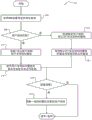
fig. 2 is a flow diagram of an example method of determining and providing adaptive user-specific ADAS alerts for a vehicle according to the principles of the present disclosure.
Detailed Description
As discussed above, there is an opportunity for improvement in the technical field of Advanced Driver Assistance Systems (ADAS) for vehicles. Accordingly, an improved vehicle ADAS and corresponding method are presented herein. These techniques provide adaptive user-specific ADAS warnings, which may improve the driver's experience, while also improving safety due to improved driver attention or responsiveness. For example, some drivers may be less responsive to certain default or predetermined ADAS warnings, which may result in the driver being unresponsive when his/her attention is required (such as taking over control of the vehicle during certain situations). Thus, the ADAS and corresponding methods herein match the identity of the driver with the stored profile (or, in the absence of a stored profile, create a new stored profile). This profile is then used to provide user-specific ADAS warnings, and is periodically updated over time based on the driver's responsiveness thereto. Non-limiting examples of ADAS functions that may utilize these adaptive driver-specific ADAS warnings include: adaptive Cruise Control (ACC), collision avoidance, lane departure and blind spot monitoring, and lane keeping or centering, but it will be appreciated that these techniques may be applied to any suitable vehicle ADAS function or similar function (e.g., driver take over, or DTO function).
Referring now to fig. 1, a functional block diagram of an example vehicle 100 having an ADAS according to the principles of the present disclosure is illustrated. The vehicle 100 includes a powertrain 104 (engine, motor, combinations thereof, etc.) that generates drive torque and transmits the drive torque (e.g., via a transmission) to a driveline 108 of the vehicle 100 for propulsion. The controller 112 controls operation of the vehicle 100, including controlling the powertrain 104 to generate a desired amount of drive torque (e.g., based on a driver torque request, such as a driver torque request received via an accelerator pedal). The controller 112 is also configured to perform at least a portion of the ADAS techniques of the present disclosure. The controller 112 stores the driver ADAS profile locally at an internal or external memory (MEM)116 (e.g., a non-volatile memory) or stores and retrieves the driver ADAS or "user profile" from a remote storage (e.g., a remote server) via the network 120. The controller 112 utilizes the driver monitoring system 124 to determine the identity of the driver of the vehicle 100. The driver monitoring system 124 includes a system of sensors ((infrared sensor(s), camera(s), etc.) that are typically operated to monitor the attention of the driver.
For purposes of this disclosure, the driver monitoring system 124 is configured to determine a set of characteristics of the driver, and then match these characteristics to a user profile. One non-limiting example of the set of features is facial recognition features (eye spacing, facial shape, etc.). While the driver monitoring system is described herein specifically as monitoring the driver of the vehicle for the purpose of determining the identity of the driver, it will be appreciated that additional or other systems may be utilized to determine the identity of the driver. These other systems may include, for example, but not limited to, voice identification, fingerprint identification, telephone identification, and the like. For example, only one mobile phone may be detected when starting the vehicle, and the identity (e.g., user profile) connected to that mobile phone may be determined as the identity of the driver.
It will be appreciated that the driver may have to opt-in to have his identity monitored and matched as described herein. When the identity of the driver matches the stored user profile, the user profile ("target user profile") is retrieved for subsequent use. However, when the identity of the driver does not match any stored user profile, then a new driver user profile is created and subsequently utilized (i.e., used as the target user profile). The target user profile defines a set of ADAS alerts. These ADAS alerts are likely to have been tuned or calibrated for that particular driver for the retrieved existing user profile. For newly created user profiles, the ADAS alerts will be default or predetermined ADAS alerts (e.g., for normal users), and then the ADAS alerts may be adjusted over time so that they are tuned or calibrated for that particular driver. The controller 112 will output an ADAS warning to the driver during operation of the vehicle 100 with the ADAS warning specified by the target user profile.
As previously discussed and as described in more detail below, non-limiting examples of these types of ADAS warnings include visual, audible, and tactile outputs to the driver via the driver interface 128. Non-limiting examples of components of the driver interface 128 include visual actuators, such as a touch display and lights (e.g., lights or dashboard), audible actuators, such as speakers, and tactile actuators (e.g., vibrating devices). The controller 112, memory 116 or network 120, driver monitoring system 124, and driver interface 128 may be collectively referred to as an ADAS system 132 of the vehicle 100, but it will be appreciated that the ADAS system 132 will likely include other components (e.g., other sensors, steering actuators, acceleration/braking actuators, etc.). Over time, the controller 112 may update these ADAS alerts in the target user profile based on the driver's reaction to the ADAS alerts during operation of the vehicle 100. For example, some ADAS warnings may not be brought to the driver's attention, and thus, the ADAS warning in the target profile may increase in severity or may be changed (e.g., from a visual warning to an audible warning or a tactile warning).
Referring now to fig. 2, a flow diagram of an example method 200 for vehicle determination and provision of user-specific ADAS alerts in accordance with the principles of the present disclosure is illustrated. Although the method 200 is described with reference to the vehicle 100 of fig. 1, it will be appreciated that the method 200 may be applicable to any suitable vehicle. As discussed previously, one of the primary safety aspects of autonomous driving is the driver's timely response when the driver's attention is required. For various reasons (inattention to the road, inclement weather, sensor unavailability, diagnostic errors, etc.), the driver is often required to take over control of the vehicle 100, which is also referred to as a Driver Take Over (DTO) request. There are also other normal warnings (such as a forward collision warning, a lane departure warning, etc.) that are intended to instruct the driver to exercise the control he or she already has. These ADAS alerts or warnings are typically set to be made at specific times and are the same (type, intensity, etc.) for each driver. This is also referred to herein as a default or predetermined ADAS warning, which may be configured based on aggregated data indicative of average drivers. Driver-specific ADAS warnings, however, would be more desirable because they are more effective among a wide variety of different drivers due to their personalization to each particular driver.
The method 200 begins at 204, where driver status information is collected or aggregated by the controller 112 using the Driver Monitoring System (DMS) 124. As previously discussed, this information may be a set of features (e.g., facial recognition features) that indicate the identity of the driver. At 208, the controller 112 then attempts to match the identity of the driver with one of a set of stored user profiles (e.g., stored at the memory 116 or stored via the network 120). When a match is found, the method 200 proceeds to 212. Otherwise, the method 200 proceeds to 220. At 212, the controller 112 accesses/retrieves the matched user profile (target user profile), and the controller 112 loads a set of ADAS warnings of the target user profile, which may have been customized at least to some extent for that particular driver (e.g., based on previous driving history). At 216, the controller 112 monitors the responsiveness of the driver to a set of ADAS alerts of the target user profile during operation of the vehicle 100. The monitoring may occur, for example, within a predetermined period of time worth of driving activity or a predetermined mileage (e.g., 50 miles). The method 200 then proceeds to 228.
When the identity of the driver does not match any of the stored user profiles, the method 200 proceeds to 220, at 220, the controller 112 creates and stores a new user profile (target user profile) with a default or predetermined ADAS warning (e.g., for a typical driver) loaded for use. At 224, the controller 112 monitors the responsiveness of the driver to a set of ADAS alerts of the target user profile during operation of the vehicle 100. The method 200 then proceeds to 228. At 228, the controller 112 determines whether any alerts in the set of ADAS alerts need to be adjusted. This may be determined in various ways. For example, the controller 112 may adjust a particular ADAS warning when the driver is unresponsive to the particular ADAS warning longer than a calibratable response rate or time threshold. Alternatively, for example, the controller 112 may adjust a particular ADAS warning when the driver is unresponsive to the particular ADAS warning more than the number of calibratable instances of response failure. Whether the predetermined period of time worth driving or the predetermined mileage described above for monitoring has occurred may also be a factor in determining whether adjustments are still needed (i.e., when monitoring duration/data is insufficient, adjustments may not have been performed yet). When an adjustment is required, the controller 112 performs the adjustment at 232 and the method 200 ends or returns to 204. When no adjustment is needed, the method 200 ends or returns to 204.
The term "driver responsiveness" as used herein may refer to whether the driver takes timely and appropriate action to mitigate the cause of the warning or alert. Such adjustment at 232 may include increasing the intensity or severity of a particular ADAS alert and/or changing its output type (visual → auditory, auditory → tactile, etc.). Other factors that may affect the responsiveness of the driver, such as gaze relative to the road, level of drowsiness, driver health, and current traffic volume and/or construction level, may also be taken into account. For example, no or less extreme ADAS warning changes may be made when other factors (such as high traffic/construction levels) may affect the responsiveness of the driver. Different types and levels of intensity of ADAS warnings may also be tried to determine the most effective means of alerting a particular driver (voice ADAS warning, displayed text ADAS warning, light ADAS warning, audible ADAS warning, etc.). For Human Machine Interface (HMI) warnings, it can be adapted so that subsequent warnings or warnings change in order to learn what the driver will react to. It will be appreciated that other factors may further influence how ADAS alerts are adjusted. For example, the driver may set the vehicle's audio system to a relatively high volume, which may result in a louder ADAS warning or a different type of ADAS warning (e.g., a light-based ADAS warning). Weather conditions (snow/ice, rain, etc.) may also have an impact on how the driver will be expected to respond to a particular ADAS warning.
While the above describes changing the type of ADAS warning and/or increasing the severity or intensity of the ADAS warning, it will also be appreciated that the ADAS warning may be adjusted to be less severe or less intense based on the driver's positive responsiveness to a particular ADAS warning. For example, the driver may be very responsive to a particular audible ADAS warning, and thus the controller 112 may potentially reduce the severity or intensity (e.g., volume) of the particular ADAS warning. Such a determination may be made, for example, when a particular ADAS warning is more severe or intense than a corresponding default or predetermined ADAS warning (e.g., for an average driver). While a single type of ADAS warning is described, it can also be appreciated that a particular ADAS warning can include multiple types of outputs (e.g., audible and visual outputs) to increase the likelihood of driver response. For example, by providing multiple types of output simultaneously, the likelihood of a driver responding may be higher.
Example embodiments are provided so that this disclosure will be thorough and will fully convey the scope to those skilled in the art. Numerous specific details are set forth, such as examples of specific components, devices, and methods, in order to provide a thorough understanding of embodiments of the present disclosure. It will be apparent to those skilled in the art that the exemplary embodiments may be embodied in many different forms without employing the specific details and that the exemplary embodiments should not be construed as limiting the scope of the disclosure. In some example embodiments, well-known processes, well-known device structures, and well-known technologies are not described in detail.
The terminology used herein is for the purpose of describing particular example embodiments only and is not intended to be limiting. As used herein, the singular forms "a", "an" and "the" are intended to include the plural forms as well, unless the context clearly indicates otherwise. The terms and "and/or" include any and all combinations of one or more of the associated listed items. The terms "comprises," "comprising," "including," and "having" are inclusive and therefore specify the presence of stated features, integers, steps, operations, elements, and/or components, but do not preclude the presence or addition of one or more other features, integers, steps, operations, elements, components, and/or groups thereof. Unless specifically identified as an order of execution, the method steps, processes, and operations described herein are not to be construed as necessarily requiring their execution in the particular order discussed or illustrated. It should also be understood that additional or alternative steps may be employed.
Although the terms first, second, third, etc. may be used herein to describe various elements, components, regions, layers and/or sections, these elements, components, regions, layers and/or sections should not be limited by these terms. These terms may be only used to distinguish one element, component, region, layer or section from another region, layer or section. Terms such as "first," "second," and other numerical terms are used herein without implying a sequence or order unless explicitly stated otherwise by the context. Thus, a first element, component, region, layer or section discussed below could be termed a second element, component, region, layer or section without departing from the teachings of the example embodiments.
As used herein, the term module may refer to, be part of, or include the following: an Application Specific Integrated Circuit (ASIC); an electronic circuit; a combinational logic circuit; a Field Programmable Gate Array (FPGA); processors or a distributed network of processors (shared, dedicated, or group) and storage of executing code or processes in networked clusters or data centers; other suitable components that provide the described functionality; or some combination or all of the above, such as in a system on a chip. The term module may also include memory (shared, dedicated, or group) that stores code executed by one or more processors.
The term code, as used above, may include software, firmware, bytecode, and/or microcode, and may refer to programs, routines, functions, classes, and/or objects. As used above, the term "shared" means that some or all code from multiple modules may be executed using a single (shared) processor. Additionally, some or all code from multiple modules may be stored by a single (shared) memory. As used above, the term "group" means that some or all code from a single module may be executed using a group of processors. In addition, a set of memories may be used to store some or all of the code from a single module.
The techniques described herein may be implemented by one or more computer programs executed by one or more processors. The computer program includes computer-executable instructions stored on a non-transitory tangible computer-readable medium. The computer program may also include stored data. Non-limiting examples of the non-transitory tangible computer readable medium are nonvolatile memory, magnetic storage, and optical storage.
Some portions of the above description present the techniques described herein in terms of algorithms and symbolic representations of operations on information. These algorithmic descriptions and representations are the means used by those skilled in the data processing arts to most effectively convey the substance of their work to others skilled in the art. While these operations are described functionally or logically, these operations should be understood to be implemented by computer programs. Moreover, it has also proven convenient at times, to refer to these arrangements of operations as modules or by functional nomenclature without loss of generality.
Unless specifically stated otherwise as apparent from the above discussion, it is appreciated that throughout the description, discussions utilizing terms such as "processing," "computing," "calculating," "determining," "displaying," or the like, refer to the action and processes of a computer system, or similar electronic computing device, that manipulates and transforms data represented as physical (e.g., electronic) quantities within the computer system memories and registers or other such information storage, transmission or display devices.
Certain aspects of the described techniques include process steps and instructions described herein in the form of an algorithm. It should be noted that the process steps and instructions described may be embodied in software, firmware or hardware, and when embodied in software, may be downloaded to reside on and be operated from different platforms used by real time network operating systems.
The present disclosure also relates to an apparatus for performing the operations herein. This apparatus may be specially constructed for the required purposes, or it may comprise a general purpose computer selectively activated or reconfigured by a computer program stored in a computer readable medium that can be accessed by the computer. Such a computer program may be stored in a tangible computer readable storage medium, such as, but is not limited to, any type of disk including floppy disks, optical disks, CD-ROMs, magnetic-optical disks, read-only memories (ROMs), Random Access Memories (RAMs), EPROMs, EEPROMs, magnetic or optical cards, Application Specific Integrated Circuits (ASICs), or any type of media suitable for storing electronic instructions, and each coupled to a computer system bus. Further, the computers referred to in this specification may include a single processor, or may be architectures employing multiple processor designs for increased computing capability.
The algorithms and operations presented herein are not inherently related to any particular computer or other apparatus. Various general-purpose systems may also be used with programs in accordance with the teachings herein, or it may prove convenient to construct more specialized apparatus to perform the required method steps. The required structure for a variety of these systems will be apparent to those of skill in the art, as well as equivalent variations. In addition, the present disclosure is not described with reference to any particular programming language. It is appreciated that a variety of programming languages may be used to implement the teachings of the present disclosure as described herein, and any references to specific languages are provided for disclosure of enablement and best mode of the present disclosure.
The foregoing description of the embodiments has been presented for purposes of illustration and description. The description is not intended to be exhaustive or to limit the disclosure. Individual elements or features of a particular embodiment are generally not limited to that particular embodiment, but, where applicable, are interchangeable and can be used in a selected embodiment, even if not specifically shown or described. The same parts may also be varied in a number of ways. Such variations are not to be regarded as a departure from the disclosure, and all such modifications are intended to be included within the scope of the invention.

Claims (20)

1.一种用于车辆的自动驾驶员辅助系统ADAS,所述ADAS包括:1. An automatic driver assistance system ADAS for a vehicle, the ADAS comprising: 一个或多个系统,所述一个或多个系统被配置成用于确定指示车辆的驾驶员身份的一组参数;以及one or more systems configured to determine a set of parameters indicative of the driver's identity of the vehicle; and 控制器,所述控制器被配置成用于:a controller configured to: 基于所述一组参数来确定所述驾驶员身份;determining the driver identity based on the set of parameters; 访问被配置成用于存储一组用户简档的存储器,每个用户简档定义一组ADAS警告;accessing memory configured to store a set of user profiles, each user profile defining a set of ADAS alerts; 基于所述驾驶员身份是否与所述一组用户简档中的任何一个用户简档相对应来标识目标用户简档,包括:Identifying a target user profile based on whether the driver identity corresponds to any one of the set of user profiles, including: 当所述驾驶员身份不与所述一组用户简档中的任何一个用户简档相对应时,创建所述目标用户简档并将所述目标用户简档作为所述一组用户简档中的一个用户简档存储在所述存储器处,其中由所述目标用户简档定义的所述一组ADAS警告包括默认的或预定的ADAS警告,以及When the driver identity does not correspond to any one of the set of user profiles, creating the target user profile and placing the target user profile as one of the set of user profiles is stored at the memory, wherein the set of ADAS alerts defined by the target user profile includes default or predetermined ADAS alerts, and 当所述驾驶员身份与所述一组用户简档中的一个用户简档相对应时,访问所述用户简档作为所述目标用户简档,其中由所述目标用户简档定义的所述一组ADAS警告包括针对所述车辆的所述驾驶员的用户专用ADAS警告;以及When the driver identity corresponds to one of the set of user profiles, accessing the user profile as the target user profile, wherein the target user profile defined by the target user profile a set of ADAS warnings including user-specific ADAS warnings for the driver of the vehicle; and 在标识所述目标用户简档之后的时段期间:During the period after identifying the target user profile: 基于所述车辆的操作来更新由所述目标用户简档定义的所述一组ADAS警告,以及updating the set of ADAS warnings defined by the target user profile based on the operation of the vehicle, and 基于由所述目标用户简档定义的所述一组ADAS警告来提供ADAS警告。ADAS alerts are provided based on the set of ADAS alerts defined by the target user profile. 2.如权利要求1所述的ADAS,其特征在于,所述控制器被配置成用于基于所述驾驶员对特定ADAS警告的响应率和能校准的响应率阈值来更新所述一组ADAS警告中的所述特定ADAS警告。2. The ADAS of claim 1, wherein the controller is configured to update the set of ADAS based on the driver's responsiveness to a particular ADAS warning and a calibratable responsiveness threshold The specific ADAS warning stated in the warning. 3.如权利要求1所述的ADAS,其特征在于,所述控制器被配置成用于基于所述驾驶员对特定ADAS警告的响应失败实例的数量和能校准的响应失败实例阈值来更新所述一组ADAS警告中的所述特定ADAS警告。3. The ADAS of claim 1, wherein the controller is configured to update all instances of response failure based on the number of instances of failure of response of the driver to a particular ADAS warning and a calibratable instance of response failure threshold. the specific ADAS warning in the set of ADAS warnings. 4.如权利要求1所述的ADAS,其特征在于,所述控制器被配置成用于基于由所述驾驶员监测系统监测到的其他驾驶员专用因素来更新所述一组ADAS警告,所述其他驾驶员专用因素包括以下各项中的至少一项:(i)所述驾驶员相对于道路的注视,(ii)所述驾驶员的困倦程度,以及(iii)所述驾驶员的健康状态。4. The ADAS of claim 1, wherein the controller is configured to update the set of ADAS warnings based on other driver-specific factors monitored by the driver monitoring system, the The other driver-specific factors include at least one of: (i) the driver's gaze relative to the road, (ii) the driver's level of drowsiness, and (iii) the driver's health state. 5.如权利要求1所述的ADAS,其特征在于,所述控制器被配置成用于基于其他非驾驶员专用因素来更新所述一组ADAS警告,所述非驾驶员专用因素包括以下各项中的至少一项:(i)当前道路交通量等级和(ii)当前道路施工等级。5. The ADAS of claim 1, wherein the controller is configured to update the set of ADAS warnings based on other non-driver-specific factors, the non-driver-specific factors comprising: At least one of: (i) the current road traffic volume level and (ii) the current road construction level. 6.如权利要求1所述的ADAS,其特征在于,所述控制器被配置成用于通过改变所述ADAS警告的输出类型来更新所述一组ADAS警告中的特定ADAS警告。6. The ADAS of claim 1, wherein the controller is configured to update a particular ADAS alert in the set of ADAS alerts by changing an output type of the ADAS alert. 7.如权利要求6所述的ADAS,其特征在于,所述ADAS警告的所述输出类型是视觉输出、可听输出、和触觉输出中的一种。7. The ADAS of claim 6, wherein the output type of the ADAS alert is one of a visual output, an audible output, and a tactile output. 8.如权利要求1所述的ADAS,其特征在于,所述一个或多个系统包括驾驶员监测系统,所述驾驶员监测系统被配置成用于监测所述车辆的驾驶员。8. The ADAS of claim 1, wherein the one or more systems include a driver monitoring system configured to monitor a driver of the vehicle. 9.一种用于确定和提供针对车辆的自适应用户专用自动驾驶员辅助系统ADAS警告的方法,所述方法包括:9. A method for determining and providing an adaptive user-specific automatic driver assistance system ADAS warning for a vehicle, the method comprising: 由所述车辆的控制器确定所述车辆的驾驶员身份;determining the identity of the driver of the vehicle by a controller of the vehicle; 由所述控制器访问被配置成用于存储一组用户简档的存储器,每个用户简档定义一组ADAS警告;accessing, by the controller, a memory configured to store a set of user profiles, each user profile defining a set of ADAS alerts; 由所述控制器基于所述驾驶员身份是否与所述一组用户简档中的任何一个用户简档相对应来标识目标用户简档,包括:Identifying, by the controller, a target user profile based on whether the driver identity corresponds to any one of the set of user profiles, comprising: 当所述驾驶员身份不与所述一组用户简档中的任何一个用户简档相对应时,创建所述目标用户简档并将所述目标用户简档作为所述一组用户简档中的一个用户简档存储在所述存储器处,其中由所述目标用户简档定义的所述一组ADAS警告包括默认的或预定的ADAS警告,以及When the driver identity does not correspond to any one of the set of user profiles, creating the target user profile and placing the target user profile as one of the set of user profiles is stored at the memory, wherein the set of ADAS alerts defined by the target user profile includes default or predetermined ADAS alerts, and 当所述驾驶员身份与所述一组用户简档中的一个用户简档相对应时,访问所述用户简档作为所述目标用户简档,其中由所述目标用户简档定义的所述一组ADAS警告包括针对所述车辆的所述驾驶员的用户专用ADAS警告;以及When the driver identity corresponds to one of the set of user profiles, accessing the user profile as the target user profile, wherein the target user profile defined by the target user profile a set of ADAS warnings including user-specific ADAS warnings for the driver of the vehicle; and 在标识所述目标用户简档之后的时段期间:During the period after identifying the target user profile: 由所述控制器基于所述车辆的操作来更新由所述目标用户简档定义的所述一组ADAS警告,以及updating, by the controller based on operation of the vehicle, the set of ADAS alerts defined by the target user profile, and 由所述控制器基于由所述目标用户简档定义的所述一组ADAS警告来提供ADAS警告。ADAS alerts are provided by the controller based on the set of ADAS alerts defined by the target user profile. 10.如权利要求9所述的方法,其特征在于,更新所述一组ADAS警告中的特定ADAS警告基于所述驾驶员对所述特定ADAS警告的响应率和能校准的响应率阈值。10. The method of claim 9, wherein updating a particular ADAS warning in the set of ADAS warnings is based on the driver's responsiveness to the particular ADAS warning and a calibratable responsiveness threshold. 11.如权利要求9所述的方法,其特征在于,更新所述一组ADAS警告中的特定ADAS警告基于所述驾驶员对所述特定ADAS警告的响应失败实例的数量和能校准的响应失败实例阈值。11. The method of claim 9, wherein updating a particular ADAS warning in the set of ADAS warnings is based on a number of instances of the driver's response failure to the particular ADAS warning and calibratable response failures instance threshold. 12.如权利要求9所述的方法,其特征在于,更新所述一组ADAS警告基于由所述驾驶员监测系统监测到的其他驾驶员专用因素,所述其他驾驶员专用因素包括以下各项中的至少一项:(i)所述驾驶员相对于道路的注视,(ii)所述驾驶员的困倦程度,以及(iii)所述驾驶员的健康状态。12. The method of claim 9, wherein updating the set of ADAS warnings is based on other driver-specific factors monitored by the driver monitoring system, the other driver-specific factors including the following At least one of: (i) the driver's gaze relative to the road, (ii) the driver's level of drowsiness, and (iii) the driver's state of health. 13.如权利要求9所述的方法,其特征在于,更新所述一组ADAS警告基于其他非驾驶员专用因素,所述非驾驶员专用因素包括以下各项中的至少一项:(i)当前道路交通量等级和(ii)当前道路施工等级。13. The method of claim 9, wherein updating the set of ADAS warnings is based on other non-driver-specific factors, the non-driver-specific factors comprising at least one of: (i) Current road traffic level and (ii) current road construction level. 14.如权利要求9所述的方法,其特征在于,更新所述一组ADAS警告中的特定ADAS警告包括改变所述ADAS警告的输出类型。14. The method of claim 9, wherein updating a particular ADAS alert in the set of ADAS alerts comprises changing an output type of the ADAS alert. 15.如权利要求14所述的方法,其特征在于,所述ADAS警告的所述输出类型是视觉输出、可听输出、和触觉输出中的一种。15. The method of claim 14, wherein the output type of the ADAS alert is one of a visual output, an audible output, and a tactile output. 16.如权利要求9所述的方法,其特征在于,确定所述车辆的所述驾驶员身份是使用被配置成用于监测所述车辆的驾驶员的驾驶员监测系统来执行的。16. The method of claim 9, wherein determining the driver identity of the vehicle is performed using a driver monitoring system configured to monitor a driver of the vehicle. 17.一种用于车辆的自动驾驶员辅助系统(ADAS),所述ADAS包括:17. An automatic driver assistance system (ADAS) for a vehicle, the ADAS comprising: 身份确定装置,用于确定驾驶员身份;an identification device for determining the driver's identity; 用户简档存储装置,用于访问和存储一组用户简档,每个用户简档定义一组ADAS警告;user profile storage means for accessing and storing a set of user profiles, each user profile defining a set of ADAS alerts; 目标用户简档标识装置,用于基于所述驾驶员身份是否与所述一组用户简档中的任何一个用户简档相对应来标识目标用户简档,包括:Target user profile identification means for identifying a target user profile based on whether the driver identity corresponds to any one of the set of user profiles, comprising: 当所述驾驶员身份不与所述一组用户简档中的任何一个用户简档相对应时,创建所述目标用户简档并将所述目标用户简档作为所述一组用户简档中的一个用户简档存储在所述用户简档存储装置处,其中由所述目标用户简档定义的所述一组ADAS警告包括默认的或预定的ADAS警告,以及When the driver identity does not correspond to any one of the set of user profiles, creating the target user profile and placing the target user profile as one of the set of user profiles is stored at the user profile storage device, wherein the set of ADAS alerts defined by the target user profile includes default or predetermined ADAS alerts, and 当所述驾驶员身份与所述一组用户简档中的一个用户简档相对应时,访问所述用户简档作为所述目标用户简档,其中由所述目标用户简档定义的所述一组ADAS警告包括针对所述车辆的所述驾驶员的用户专用ADAS警告;When the driver identity corresponds to one of the set of user profiles, accessing the user profile as the target user profile, wherein the target user profile defined by the target user profile a set of ADAS warnings including user-specific ADAS warnings for the driver of the vehicle; ADAS警告更新装置,用于在标识所述目标用户简档之后的时段期间,基于所述车辆的操作来更新由所述目标用户简档定义的所述一组ADAS警告;以及ADAS warning update means for updating the set of ADAS warnings defined by the target user profile based on the operation of the vehicle during a period after identifying the target user profile; and ADAS警告提供装置,用于基于由所述目标用户简档定义的所述一组ADAS警告来提供ADAS警告。ADAS alert providing means for providing ADAS alerts based on the set of ADAS alerts defined by the target user profile. 18.如权利要求17所述的ADAS,其特征在于,所述ADAS警告更新装置基于所述驾驶员对特定ADAS警告的响应率和能校准的响应率阈值来更新所述一组ADAS警告中的所述特定ADAS警告。18. The ADAS of claim 17, wherein the ADAS warning update means updates the set of ADAS warnings based on the driver's responsiveness to a particular ADAS warning and a calibratable responsiveness threshold. The specific ADAS warning. 19.如权利要求17所述的ADAS,其特征在于,所述ADAS警告更新装置基于所述驾驶员对特定ADAS警告的响应失败实例的数量和能校准的响应失败实例阈值来更新所述一组ADAS警告中的所述特定ADAS警告。19. The ADAS of claim 17, wherein the ADAS warning update means updates the set of response failure instances based on the number of driver response failure instances to a particular ADAS warning and a calibratable response failure instance threshold value. The specific ADAS warnings described in ADAS Warnings. 20.如权利要求17所述的ADAS,其特征在于,所述ADAS警告更新装置通过改变所述ADAS警告的输出类型来更新所述一组ADAS警告中的特定ADAS警告,其中所述ADAS警告的所述输出类型是视觉输出、可听输出、和触觉输出中的一种。20. The ADAS of claim 17, wherein the ADAS warning updating means updates a specific ADAS warning in the set of ADAS warnings by changing an output type of the ADAS warning, wherein the ADAS warning is The output type is one of visual output, audible output, and tactile output.
CN202110919279.3A 2020-08-11 2021-08-11 Adaptive user-specific automatic driver assistance system warning Active CN114074670B (en)

Applications Claiming Priority (2)

Application Number Priority Date Filing Date Title
US16/990,575 US11654919B2 (en) 2020-08-11 2020-08-11 Adaptive user-specific automated driver assistance system warnings
US16/990,575 2020-08-11

Publications (2)

Publication Number Publication Date
CN114074670A true CN114074670A (en) 2022-02-22
CN114074670B CN114074670B (en) 2026-05-12

Family

ID=77274709

Family Applications (1)

Application Number Title Priority Date Filing Date
CN202110919279.3A Active CN114074670B (en) 2020-08-11 2021-08-11 Adaptive user-specific automatic driver assistance system warning

Country Status (3)

Country Link
US (1) US11654919B2 (en)
EP (1) EP3964415B1 (en)
CN (1) CN114074670B (en)

Cited By (2)

* Cited by examiner, † Cited by third party
Publication number Priority date Publication date Assignee Title
CN115520217A (en) * 2022-09-26 2022-12-27 重庆长安汽车股份有限公司 Control method and device for steering wheel connecting pipe moment, computer equipment and medium
CN120548276A (en) * 2023-01-24 2025-08-26 安致尔软件有限责任公司 Warning mode selection for warning the driver

Families Citing this family (11)

* Cited by examiner, † Cited by third party
Publication number Priority date Publication date Assignee Title
EP3848900A1 (en) * 2020-01-10 2021-07-14 Aptiv Technologies Limited Methods and systems for calibrating a camera
DE102020109666A1 (en) * 2020-04-07 2021-10-07 Bayerische Motoren Werke Aktiengesellschaft Method for operating a driver assistance system of a vehicle with driver moderation in the case of partially automated functions, driver assistance system and vehicle
FR3132897A1 (en) * 2022-02-24 2023-08-25 Psa Automobiles Sa Method and device for controlling a man-machine interface for controlling a vehicle driving assistance system
US20230271604A1 (en) * 2022-02-28 2023-08-31 Nissan North America, Inc. Automatic driver assist system for a vehicle
GB2616893B (en) * 2022-03-24 2024-07-10 Jaguar Land Rover Ltd Control system and method for interfacing with an automatable function of a vehicle
JP2024015575A (en) * 2022-07-25 2024-02-06 トヨタ自動車株式会社 Vehicle driving support system
DE102023201867A1 (en) * 2023-03-01 2024-09-05 Volkswagen Aktiengesellschaft Method for issuing an information signal to a driver of a motor vehicle, electronic computing device and motor vehicle
JP7790396B2 (en) * 2023-04-19 2025-12-23 トヨタ自動車株式会社 Driving assistance devices
CN116653984B (en) * 2023-06-08 2026-07-03 上汽通用五菱汽车股份有限公司 Driving assistance early warning method, device, equipment and storage medium
US20250330500A1 (en) * 2024-04-22 2025-10-23 Carszy Inc. Inter-vehicle communication system
US20260131810A1 (en) * 2024-11-13 2026-05-14 Harman International Industries, Incorporated Driver monitoring and mitigation system and method

Citations (12)

* Cited by examiner, † Cited by third party
Publication number Priority date Publication date Assignee Title
US20050116829A1 (en) * 2003-08-05 2005-06-02 Winfried Koenig Method for ascertaining a critical driving behavior
CN1849233A (en) * 2003-08-28 2006-10-18 罗伯特·博世有限公司 Device for warning the driver of a vehicle
WO2011075392A1 (en) * 2009-12-18 2011-06-23 Honda Motor Co., Ltd. A predictive human-machine interface using eye gaze technology, blind spot indicators and driver experience
DE102011012139A1 (en) * 2011-02-24 2012-08-30 Marc Eberle Operational release method for protecting vehicle against theft, involves creating original driving profile and collecting and storing data of biometric features
US20160009295A1 (en) * 2014-07-10 2016-01-14 Hyundai Mobis Co., Ltd. On-vehicle situation detection apparatus and method
US20170088142A1 (en) * 2015-09-25 2017-03-30 Mcafee, Inc. Contextual scoring of automobile drivers
CN107415602A (en) * 2017-07-06 2017-12-01 上海小蚁科技有限公司 For the monitoring method of vehicle, equipment and system, computer-readable recording medium
CN108688680A (en) * 2017-03-31 2018-10-23 通用汽车环球科技运作有限责任公司 Enhance vehicle by driver profile to apply X
CN109528219A (en) * 2017-09-22 2019-03-29 极光飞行科学公司 System for monitoring operation person
US20190202477A1 (en) * 2017-12-30 2019-07-04 The Hi-Tech Robotic Systemz Ltd Providing location and driving behavior based alerts
CN110071953A (en) * 2018-01-23 2019-07-30 株式会社日立制作所 The method that vehicle operating for executing driver is analyzed
US20200216079A1 (en) * 2019-01-04 2020-07-09 Byton North America Corporation Systems and methods for driver profile based warning and vehicle control

Family Cites Families (19)

* Cited by examiner, † Cited by third party
Publication number Priority date Publication date Assignee Title
DE102009041187A1 (en) 2009-08-13 2011-02-17 Volkswagen Ag Method and device for adaptation of parameters of a driver assistance system
US9542847B2 (en) * 2011-02-16 2017-01-10 Toyota Motor Engineering & Manufacturing North America, Inc. Lane departure warning/assistance method and system having a threshold adjusted based on driver impairment determination using pupil size and driving patterns
US20140272811A1 (en) * 2013-03-13 2014-09-18 Mighty Carma, Inc. System and method for providing driving and vehicle related assistance to a driver
US20150081404A1 (en) * 2013-08-12 2015-03-19 Intelligent Mechatronic Systems Inc. Driver behavior enhancement using scoring, recognition and redeemable rewards
US20150166059A1 (en) * 2013-12-18 2015-06-18 Automotive Research & Testing Center Autonomous vehicle driving support system and autonomous driving method performed by the same
WO2015134311A1 (en) * 2014-03-03 2015-09-11 Inrix Inc Traffic obstruction detection
WO2016005972A1 (en) * 2014-07-08 2016-01-14 Bichacho Matan Behavior dependent insurance
WO2016169585A1 (en) 2015-04-20 2016-10-27 Bayerische Motoren Werke Aktiengesellschaft Apparatus and method for controlling a user situation awareness modification of a user of a vehicle, and a user situation awareness modification processing system
US20170072850A1 (en) * 2015-09-14 2017-03-16 Pearl Automation Inc. Dynamic vehicle notification system and method
US9892573B1 (en) * 2015-10-14 2018-02-13 Allstate Insurance Company Driver performance ratings
US9925987B1 (en) * 2015-12-11 2018-03-27 Lytx, Inc. Driving abnormality detection
US9791864B2 (en) * 2016-03-10 2017-10-17 Ford Global Technologies, Llc Systems and methods for driving risk index estimation
US10247565B2 (en) * 2016-04-11 2019-04-02 State Farm Mutual Automobile Insurance Company Traffic risk avoidance for a route selection system
US10183679B2 (en) * 2016-06-28 2019-01-22 Volkswagen Aktiengesellschaft Apparatus, system and method for personalized settings for driver assistance systems
US11164459B2 (en) * 2017-03-14 2021-11-02 Hyundai Mobis Co., Ltd. Apparatus and method of safety support for vehicle
US10783725B1 (en) * 2017-09-27 2020-09-22 State Farm Mutual Automobile Insurance Company Evaluating operator reliance on vehicle alerts
EP3910612A4 (en) * 2019-01-08 2022-03-09 Sony Semiconductor Solutions Corporation INFORMATION PROCESSING DEVICE, MOBILE DEVICE, METHOD AND PROGRAM
US20210048815A1 (en) * 2019-08-16 2021-02-18 GM Global Technology Operations LLC Method and apparatus for method for predicting automated driving system disengagement
US11312298B2 (en) * 2020-01-30 2022-04-26 International Business Machines Corporation Modulating attention of responsible parties to predicted dangers of self-driving cars

Patent Citations (12)

* Cited by examiner, † Cited by third party
Publication number Priority date Publication date Assignee Title
US20050116829A1 (en) * 2003-08-05 2005-06-02 Winfried Koenig Method for ascertaining a critical driving behavior
CN1849233A (en) * 2003-08-28 2006-10-18 罗伯特·博世有限公司 Device for warning the driver of a vehicle
WO2011075392A1 (en) * 2009-12-18 2011-06-23 Honda Motor Co., Ltd. A predictive human-machine interface using eye gaze technology, blind spot indicators and driver experience
DE102011012139A1 (en) * 2011-02-24 2012-08-30 Marc Eberle Operational release method for protecting vehicle against theft, involves creating original driving profile and collecting and storing data of biometric features
US20160009295A1 (en) * 2014-07-10 2016-01-14 Hyundai Mobis Co., Ltd. On-vehicle situation detection apparatus and method
US20170088142A1 (en) * 2015-09-25 2017-03-30 Mcafee, Inc. Contextual scoring of automobile drivers
CN108688680A (en) * 2017-03-31 2018-10-23 通用汽车环球科技运作有限责任公司 Enhance vehicle by driver profile to apply X
CN107415602A (en) * 2017-07-06 2017-12-01 上海小蚁科技有限公司 For the monitoring method of vehicle, equipment and system, computer-readable recording medium
CN109528219A (en) * 2017-09-22 2019-03-29 极光飞行科学公司 System for monitoring operation person
US20190202477A1 (en) * 2017-12-30 2019-07-04 The Hi-Tech Robotic Systemz Ltd Providing location and driving behavior based alerts
CN110071953A (en) * 2018-01-23 2019-07-30 株式会社日立制作所 The method that vehicle operating for executing driver is analyzed
US20200216079A1 (en) * 2019-01-04 2020-07-09 Byton North America Corporation Systems and methods for driver profile based warning and vehicle control

Cited By (2)

* Cited by examiner, † Cited by third party
Publication number Priority date Publication date Assignee Title
CN115520217A (en) * 2022-09-26 2022-12-27 重庆长安汽车股份有限公司 Control method and device for steering wheel connecting pipe moment, computer equipment and medium
CN120548276A (en) * 2023-01-24 2025-08-26 安致尔软件有限责任公司 Warning mode selection for warning the driver

Also Published As

Publication number Publication date
EP3964415B1 (en) 2025-10-15
EP3964415A3 (en) 2022-07-06
EP3964415A2 (en) 2022-03-09
US20220048517A1 (en) 2022-02-17
CN114074670B (en) 2026-05-12
US11654919B2 (en) 2023-05-23

Similar Documents

Publication Publication Date Title
CN114074670B (en) Adaptive user-specific automatic driver assistance system warning
CN112699721B (en) Context-sensitive adjustments to off-road glance times
US10053113B2 (en) Dynamic output notification management for vehicle occupant
US9798323B2 (en) Crowd-sourced transfer-of-control policy for automated vehicles
CN108281069B (en) Driver interaction system for vehicle semi-autonomous mode
US10377303B2 (en) Management of driver and vehicle modes for semi-autonomous driving systems
EP4155856A1 (en) Self-learning method and apparatus for autonomous driving system, device, and storage medium
US20200216079A1 (en) Systems and methods for driver profile based warning and vehicle control
CN107042827B (en) System and method for dynamic display of vehicles
US20180319408A1 (en) Method for operating a vehicle
US20130194099A1 (en) Driving assistance apparatus
US12307791B2 (en) Method for determining a drowsiness level of a motor vehicle driver
WO2020057895A1 (en) Apparatus and method for monitoring vehicle operation
US20210055727A1 (en) System and methods to improve automated driving utilization
CN114815676A (en) Generation and presentation of interpretations relating to behavior of an automation control system
EP4166408A1 (en) Advanced driver assistance system for determining a future glare condition and corresponding method
JP6988075B2 (en) Discomfort discrimination method and discomfort discrimination device
CN113825666A (en) Method for personalized use of communication device
CN118295517A (en) Method for providing user-specific information
JP2018112975A (en) Fatigue level estimating device
KR20150066308A (en) Apparatus and method for determining driving condition of deiver
CN113830087B (en) Adaptive cruise control method, system, vehicle, and computer-readable storage medium
US12606109B2 (en) Mood improvement system
KR20160038158A (en) Detecting system and Method of dangerous driving for driver tendency
CN117341717A (en) Vehicle control signal detection method, device, vehicle and storage medium

Legal Events

Date Code Title Description
PB01 Publication
PB01 Publication
SE01 Entry into force of request for substantive examination
TA01 Transfer of patent application right

Effective date of registration: 20240401

Address after: Jiraum, Luxembourg, Luxembourg J. 12C Kroll Street

Applicant after: Anbofu Manufacturing Management Services Co.,Ltd.

Country or region after: Luxembourg

Address before: Babado J San Michaele

Applicant before: Delphi Technologies, Inc.

Country or region before: Barbados

TA01 Transfer of patent application right

Effective date of registration: 20240428

Address after: 2 Pestaroz Street, Schaffhausen, Switzerland

Applicant after: Anbofu Technology Co.,Ltd.

Country or region after: Switzerland

Address before: Jiraum, Luxembourg, Luxembourg J. 12C Kroll Street

Applicant before: Anbofu Manufacturing Management Services Co.,Ltd.

Country or region before: Luxembourg

TA01 Transfer of patent application right
GR01 Patent grant
GR01 Patent grant