CN110052493B - A kind of biological mud restoration method and supporting equipment for polycyclic aromatic hydrocarbon-contaminated soil - Google Patents
A kind of biological mud restoration method and supporting equipment for polycyclic aromatic hydrocarbon-contaminated soil Download PDFInfo
- Publication number
- CN110052493B CN110052493B CN201910232766.5A CN201910232766A CN110052493B CN 110052493 B CN110052493 B CN 110052493B CN 201910232766 A CN201910232766 A CN 201910232766A CN 110052493 B CN110052493 B CN 110052493B
- Authority
- CN
- China
- Prior art keywords
- polycyclic aromatic
- aromatic hydrocarbon
- kettle body
- soil
- contaminated soil
- Prior art date
- Legal status (The legal status is an assumption and is not a legal conclusion. Google has not performed a legal analysis and makes no representation as to the accuracy of the status listed.)
- Active
Links
Images


Classifications
-
- B—PERFORMING OPERATIONS; TRANSPORTING
- B09—DISPOSAL OF SOLID WASTE; RECLAMATION OF CONTAMINATED SOIL
- B09C—RECLAMATION OF CONTAMINATED SOIL
- B09C1/00—Reclamation of contaminated soil
- B09C1/10—Reclamation of contaminated soil microbiologically, biologically or by using enzymes
Landscapes
- Life Sciences & Earth Sciences (AREA)
- Engineering & Computer Science (AREA)
- Health & Medical Sciences (AREA)
- Biomedical Technology (AREA)
- Biotechnology (AREA)
- General Health & Medical Sciences (AREA)
- Microbiology (AREA)
- Molecular Biology (AREA)
- Mycology (AREA)
- Soil Sciences (AREA)
- Environmental & Geological Engineering (AREA)
- Processing Of Solid Wastes (AREA)
Abstract
Description
技术领域technical field
本发明涉及环境保护技术领域,涉及一种污染土壤的修复,具体涉及一种多环芳烃污染土壤的生物泥浆修复方法及配套设备。The invention relates to the technical field of environmental protection, relates to the restoration of polluted soil, and in particular relates to a biological mud restoration method and supporting equipment for polycyclic aromatic hydrocarbon-contaminated soil.
背景技术Background technique
多环芳烃(PAHs)由线性、角状或簇聚排列的稠合芳环组成。在其纯化学形式中,PAHs通常以无色,白色或浅黄绿色固体形式存在,具有淡淡的令人愉快的气味。常见的16种多环芳烃可以分为两类:一种是含有2~3个苯环,被称为低分子量PAHs,如萘、芴和菲等。另一种为带有4个及以上苯环的高分子量PAHs,如芘、苯并蒽和苯并[α]芘等。一般来说,PAHs的电化学稳定性,持久性,耐生物降解性和致癌性指数随着芳环数量,结构角度和疏水性的增加而增加,而挥发性随着分子量的增加而降低。PAHs在各种食物链中具有天然的生物积累潜力,这使得它们在环境中的存在相当惊人,因此被认为是潜在的人类健康危害物质。Polycyclic aromatic hydrocarbons (PAHs) consist of fused aromatic rings arranged in linear, angular or clustered form. In their pure chemical form, PAHs typically exist as colorless, white or pale yellow-green solids with a faint pleasant odor. The 16 common polycyclic aromatic hydrocarbons can be divided into two categories: one contains 2 to 3 benzene rings and is called low molecular weight PAHs, such as naphthalene, fluorene and phenanthrene. The other is high molecular weight PAHs with 4 or more benzene rings, such as pyrene, benzanthracene and benzo[α]pyrene. In general, the electrochemical stability, persistence, biodegradation resistance, and carcinogenicity indices of PAHs increased with the number of aromatic rings, structural angle, and hydrophobicity, while volatility decreased with increasing molecular weight. PAHs have a natural bioaccumulation potential in various food chains, which makes their presence in the environment rather alarming and are therefore considered potential human health hazards.
微生物是生物修复的主体,在污染物的迁移转化乃至最终清除的过程中占有重要地位。微生物修复是开发利用微生物的新陈代谢能力及基因的多样性为基础的修复方式。相对于其他非生物修复方式,利用微生物修复PAHs的方式具有经济,设备简单,二次污染少,修复彻底等优点。对于以吸附态存在于土壤和水体沉积物中的PAHs,微生物降解是使其从环境体系消失的最主要且最有效的途径。目前的研究工作主要集中在以下几方面:(1)高效降解菌株及高效降解菌群的筛选;(2)以吸附态存在于土壤和水体沉积物中的可生物利用性研究;(3)生物代谢终产物及其代谢机制;(4)增强微生物修复的途径和方法。Microorganisms are the main body of bioremediation and play an important role in the process of pollutant migration, transformation and final removal. Microbial remediation is a remediation method based on the development and utilization of the metabolic capacity and genetic diversity of microorganisms. Compared with other non-biological remediation methods, the method of using microorganisms to remediate PAHs has the advantages of economy, simple equipment, less secondary pollution, and complete restoration. For PAHs existing in soil and water sediments in the adsorbed state, microbial degradation is the main and most effective way to make them disappear from the environmental system. The current research work mainly focuses on the following aspects: (1) Screening of high-efficiency degrading strains and high-efficiency degrading bacteria groups; (2) Research on bioavailability in soil and water sediments in an adsorbed state; (3) Biological Metabolic end products and their metabolic mechanisms; (4) Pathways and methods to enhance microbial remediation.
生物泥浆反应器是一个复杂的工程设备,通常包括四部分:土壤处理和调节设备,生物反应器,处理土壤处置设备以及泥水流动控制装置。生物泥浆反应器(Bioslurryreactor,BR)是用于处理污染土壤的特殊反应器。1990年Ross提出生物泥浆技术可作为一种新兴的修复技术,用于处理污染土壤。其基本方式是将污染土壤挖掘出来,适当筛分后移至反应器内,加入水并搅拌使之形成泥浆,并添加微生物或营养物质等促进污染物的生物降解。其基本原理就是利用微生物将土壤中有害有机污染物降解为无害的无机物质(CO2和H2O),降解过程通过改变土壤的理化条件(包括土壤pH、含水率、温度、溶氧及营养因子等)来完成,也可接种人工驯化的菌群或构建的工程微生物提高降解效率。Bio-slurry reactor is a complex engineering equipment that usually includes four parts: soil treatment and conditioning equipment, bioreactor, treatment soil disposal equipment and mud-water flow control device. Bioslurry reactor (BR) is a special reactor used to treat contaminated soil. Ross proposed in 1990 that bio-slurry technology could be used as an emerging remediation technology to treat contaminated soil. The basic method is to excavate the contaminated soil, properly sieve it and move it into the reactor, add water and stir it to form a slurry, and add microorganisms or nutrients to promote the biodegradation of the pollutants. The basic principle is to use microorganisms to degrade harmful organic pollutants in the soil into harmless inorganic substances (CO 2 and H 2 O). The degradation process changes the physical and chemical conditions of the soil (including soil pH, moisture content, temperature, dissolved oxygen and Nutrition factors, etc.) can also be inoculated with artificially domesticated flora or constructed engineered microorganisms to improve the degradation efficiency.
因此,若能在前期研究基础上提供一种泥浆生物反应器,进一步利用该反应器设计出一套处理土壤有机污染物PAHs土壤的微生物强化配方。可以为我国解决土壤PAHs污染提供一条切实可行的道路,实现含有机毒物土壤的清洁、生态环境的安全健康。Therefore, if a mud bioreactor can be provided on the basis of previous research, a set of microbial enhancement formulas for treating soil organic pollutants PAHs soil can be designed by using the reactor. It can provide a feasible way for my country to solve the soil PAHs pollution, and realize the cleanness of the soil containing organic toxic substances and the safety and health of the ecological environment.
发明内容SUMMARY OF THE INVENTION
本发明的目的之一是提供一种多环芳烃污染土壤的生物泥浆修复方法,操作简单,去除多环芳烃的能力强,修复效果好。One of the objectives of the present invention is to provide a biological mud restoration method for polycyclic aromatic hydrocarbon-contaminated soil, which is simple to operate, has a strong ability to remove polycyclic aromatic hydrocarbons, and has a good restoration effect.
为实现上述目的,本发明采用的技术方案如下:一种多环芳烃污染土壤的生物泥浆修复方法,包括以下步骤:In order to achieve the above object, the technical scheme adopted in the present invention is as follows: a biological mud restoration method for polycyclic aromatic hydrocarbon-contaminated soil, comprising the following steps:
1)将多环芳烃污染土壤和无机盐培养液按水土体积比2:1混合,加入生物泥浆反应器中,所述无机盐培养液的组成:NaNO3 4.0g、NH4Cl2 2.0g、KH2PO4 1.5g、Na2HPO4 0.5g、CaCl2 0.01g、MgCl2 0.2g、1ml微量元素溶液、去离子水1L,调pH=7.0,121℃灭菌20min;所述微量元素溶液的组成:FeSO4·7H2O 2g、ZnSO4·7H2O 0.03g、H3BO3 0.3g、CoCl3·6H2O0.3g、NiCl2·6H2O 0.02、Na2MoO4·2H2O 0.03g、去离子水1L,调pH=7.0;1) The polycyclic aromatic hydrocarbon-contaminated soil and the inorganic salt culture solution are mixed at a water-soil volume ratio of 2:1 and added to the biological mud reactor. The composition of the inorganic salt culture solution is: NaNO 3 4.0g, NH 4 Cl 2 2.0g, KH 2 PO 4 1.5g, Na 2 HPO 4 0.5g, CaCl 2 0.01g, MgCl 2 0.2g, 1ml trace element solution, 1L deionized water, adjust pH=7.0, sterilize at 121°C for 20min; the trace element solution Composition: FeSO 4 7H 2 O 2g, ZnSO 4 7H 2 O 0.03g, H 3 BO 3 0.3g, CoCl 3 6H 2 O 0.3g, NiCl 2 6H 2 O 0.02, Na 2 MoO 4 2H 2 O 0.03g, deionized water 1L, adjust pH=7.0;
在反应的同时接种具有降解多环芳烃的细菌,所述细菌为假单胞菌属中的一种或多种混合物,接种量为泥浆混合体系的2%~15%;并添加表面活性剂,在温度为30~35℃,pH为5~7,溶解氧为8.95~11.89mg/L,添加200mg/L丙酮酸钠的条件下搅拌反应,反应器的搅拌轴转速控制在110~200rpm;At the same time of the reaction, inoculate bacteria with degrading polycyclic aromatic hydrocarbons, the bacteria are one or more mixtures of Pseudomonas, and the inoculation amount is 2% to 15% of the mud mixing system; and add surfactant, Stirring the reaction under the conditions that the temperature is 30~35℃, the pH is 5~7, the dissolved oxygen is 8.95~11.89mg/L, and 200mg/L sodium pyruvate is added, and the rotational speed of the stirring shaft of the reactor is controlled at 110~200rpm;
2)通过实验先测定污染土壤中多环芳烃的含量,再对细菌的接种比例及表面活性剂的种类选择进行调整,提高降解效果,缩短降解时间。2) The content of polycyclic aromatic hydrocarbons in the polluted soil was measured through experiments, and then the inoculation ratio of bacteria and the selection of surfactant types were adjusted to improve the degradation effect and shorten the degradation time.
优选的,所述细菌为Pseudomonas sp.Lphe-2,保藏于广东省微生物菌种保藏中心,地址为广州市先烈中路100号大院59号楼5楼,保藏日期为2019年3月8号,保藏编号为GDMCC No:60603。Preferably, the bacterium is Pseudomonas sp.Lphe-2, which is preserved in the Guangdong Provincial Microbial Culture Collection Center, the address is 5th Floor, Building 59, No. 100 Xianlie Middle Road, Guangzhou City, and the preservation date is March 8, 2019, The deposit number is GDMCC No: 60603.
优选的,所述细菌的接种量为泥浆混合体系的5%~10%。Preferably, the inoculum amount of the bacteria is 5% to 10% of the mud mixing system.
优选的,所述表面活性剂为Tween-80,表面活性剂的加入量为0.25mg/g土。Preferably, the surfactant is Tween-80, and the added amount of the surfactant is 0.25 mg/g soil.
优选的,步骤(1)中反应条件为:温度为30℃,pH为6,溶解氧10.72mg/L,搅拌转速180rpm。Preferably, the reaction conditions in step (1) are: the temperature is 30° C., the pH is 6, the dissolved oxygen is 10.72 mg/L, and the stirring speed is 180 rpm.
本发明的目的之二是提供一种上述多环芳烃污染土壤的生物泥浆修复方法的配套设备。The second purpose of the present invention is to provide a matching equipment for the above-mentioned biological mud restoration method of polycyclic aromatic hydrocarbon-contaminated soil.
为实现上述目的,本发明采用的技术方案如下:一种多环芳烃污染土壤的生物泥浆修复方法的配套设备,包括生物泥浆反应器、恒温加热装置、蠕动泵和曝气泵,所述生物泥浆反应器包括双层玻璃反应釜,所述双层玻璃反应釜包括釜体、设置在釜体顶部的釜盖、设置在釜体内的搅拌轴以及设置在釜体外侧的电机,所述釜盖上端面的中心部安装有搅拌塞头,所述釜盖上端面上还设有环绕所述搅拌塞头分布的第一管口、第二管口、第三管口和第四管口,所述搅拌轴的上端穿过搅拌塞头后延伸到釜体外侧,与电机的输出轴传动连接,所述搅拌轴的底端设有搅拌叶片,所述第一管口端安装有曝气管,伸入釜体的曝气管一端设有曝气头,所述第二管口端安装有管式漏斗,所述第三管口端安装有温度传感器,所述第四管口端为加料口,所述釜体的下端设有放料口,所述釜体的侧面下部设有进水口,釜体的侧面上部设有出水口,In order to achieve the above object, the technical scheme adopted in the present invention is as follows: a kind of supporting equipment for the biological mud restoration method of polycyclic aromatic hydrocarbon-contaminated soil, including a biological mud reactor, a constant temperature heating device, a peristaltic pump and an aeration pump, and the biological mud The reactor includes a double-layer glass reaction kettle, the double-layer glass reaction kettle includes a kettle body, a kettle cover arranged on the top of the kettle body, a stirring shaft arranged in the kettle body, and a motor arranged on the outside of the kettle body. The center part of the end face is provided with a stirring plug, and the upper end face of the kettle cover is also provided with a first nozzle, a second nozzle, a third nozzle and a fourth nozzle distributed around the stirring plug. The upper end of the stirring shaft passes through the stirring plug and extends to the outside of the kettle body, and is connected with the output shaft of the motor. One end of the aeration pipe entering the kettle body is provided with an aeration head, the second pipe mouth end is installed with a tubular funnel, the third pipe mouth end is installed with a temperature sensor, and the fourth pipe mouth end is a feeding port, The lower end of the kettle body is provided with a discharge port, the lower side of the kettle body is provided with a water inlet, and the upper side of the kettle body is provided with a water outlet,
所述曝气泵与所述曝气管连接,所述恒温加热装置分别通过软管与所述进水口、出水口连接,所述蠕动泵设置在恒温加热装置的出水管路上,所述电机与电机控制器电性连接。The aeration pump is connected to the aeration pipe, the constant temperature heating device is connected to the water inlet and the water outlet respectively through hoses, the peristaltic pump is arranged on the water outlet pipeline of the constant temperature heating device, and the motor is connected to the water outlet. The motor controller is electrically connected.
进一步地,所述放料口端设置有放料阀。Further, the discharge port end is provided with a discharge valve.
优选的,所述搅拌塞头为四氟搅拌塞头。Preferably, the stirring plug is a tetrafluoro stirring plug.
与现有技术相比,本发明具有如下有益效果:Compared with the prior art, the present invention has the following beneficial effects:
1、本发明提供的多环芳烃污染土壤的修复方法,通过对污染土壤中多环芳烃的含量的测定,调整细菌的接种比例及表面活性剂的种类,在控制各环境参数最佳条件时,对实际污染土壤中2种污染浓度较高的PAHs(FLU,PHE)3天降解率分别为87.32%和87.66%;这对于实际污染土壤的修复具有重要参考意义。1. The method for remediation of polycyclic aromatic hydrocarbon-contaminated soil provided by the present invention, by measuring the content of polycyclic aromatic hydrocarbons in the polluted soil, adjusting the inoculation ratio of bacteria and the type of surfactant, when controlling the optimal conditions of each environmental parameter, The three-day degradation rates of the two PAHs (FLU, PHE) with higher pollution concentrations in the actual polluted soil were 87.32% and 87.66%, respectively; this has important reference significance for the remediation of the actual polluted soil.
2、本发明提供的修复方法,添加的表面活性剂在系统中主要起到增溶作用,可诱导细胞膜不饱和脂肪酸含量的增加,提高细胞膜通透性,有利于PAHs的跨膜运输,大大提高细菌对PAHs的降解率,在短时间内降解率高。2. In the repair method provided by the present invention, the added surfactant mainly plays a solubilizing effect in the system, which can induce an increase in the content of unsaturated fatty acids in the cell membrane, improve the permeability of the cell membrane, facilitate the transmembrane transport of PAHs, and greatly improve The degradation rate of PAHs by bacteria is high in a short time.
3、本发明提供的生物泥浆修复方法的配套设备安全性能好,操作简单。3. The supporting equipment of the biological mud restoration method provided by the present invention has good safety performance and simple operation.
附图说明Description of drawings
图1为本发明的多环芳烃污染土壤的生物泥浆修复方法的配套设备结构示意图;Fig. 1 is the structural representation of the supporting equipment of the biological mud remediation method of the polycyclic aromatic hydrocarbon-contaminated soil of the present invention;
图中,1-双层玻璃反应釜,101-釜体,102-釜盖,103-搅拌轴,104-电机,105-搅拌塞头,106-第一管口,107-第二管口,108-第三管口,109-第四管口,1010-搅拌叶片,1011-曝气管,1012-曝气头,1013-温度传感器,1014-管式漏斗,1015-放料口,1016-放料阀,1017-出水口,1018-进水口,1019-电机控制器,2-恒温加热装置,3-蠕动泵,4-曝气泵;In the figure, 1-double-layer glass reactor, 101-kettle body, 102-kettle cover, 103-stirring shaft, 104-motor, 105-stirring plug, 106-first nozzle, 107-second nozzle, 108-third nozzle, 109-fourth nozzle, 1010-stirring blade, 1011-aeration pipe, 1012-aeration head, 1013-temperature sensor, 1014-tubular funnel, 1015-discharge port, 1016- Discharge valve, 1017-water outlet, 1018-water inlet, 1019-motor controller, 2-thermostatic heating device, 3-peristaltic pump, 4-aeration pump;
图2为生物泥浆反应器中菲的降解率图;Figure 2 is a graph of the degradation rate of phenanthrene in a bio-slurry reactor;
图3为表面活性剂胶团化作用的示意图;Fig. 3 is the schematic diagram of surfactant micelleization;
图4为实际污染土壤FLU的浓度变化曲线图;Fig. 4 is the concentration change curve diagram of actual contaminated soil FLU;
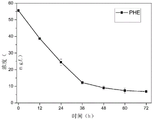
图5为实际污染土壤PHE的浓度变化曲线图。Figure 5 is a graph showing the change of the concentration of PHE in the actual polluted soil.
具体实施方式Detailed ways
下面结合附图和具体实施例对本发明作进一步详细说明。The present invention will be further described in detail below with reference to the accompanying drawings and specific embodiments.
本发明所述的具有多环芳烃降解能力的细菌可以通过从多环芳烃的污染土壤中筛选,或者从各国菌种保存中心和研究机构获得已知的高效降解菌株的方式获得。The bacteria with the ability to degrade polycyclic aromatic hydrocarbons according to the present invention can be obtained by screening from polluted soil of polycyclic aromatic hydrocarbons, or by obtaining known high-efficiency degrading strains from bacterial culture preservation centers and research institutions in various countries.
实施例1:含菲土壤的降解Example 1: Degradation of phenanthrene-containing soils
本实施例采用的多环芳烃污染土壤的生物泥浆反应系统,包括生物泥浆反应器、恒温加热装置2、蠕动泵3和曝气泵4,所述生物泥浆反应器包括双层玻璃反应釜1,所述双层玻璃反应釜1包括釜体101、设置在釜体101顶部的釜盖102、设置在釜体101内的搅拌轴103以及设置在釜体101外侧的电机104,所述釜盖102上端面的中心部安装有四氟搅拌塞头105,所述釜盖102上端面上还设有环绕所述搅拌塞头105分布的第一管口106、第二管口107、第三管口108和第四管口109,所述搅拌轴103的上端穿过搅拌塞头105后延伸到釜体101外侧,与电机104的输出轴传动连接,所述搅拌轴103的底端设有搅拌叶片1010,所述第一管口106端安装有曝气管1011,伸入釜体101的曝气管1011一端设有曝气头1012,所述第二管口107端安装有管式漏斗1014,所述第三管口108端安装有温度传感器1013,所述第四管口109端为加料口,所述釜体101的下端设有放料口1015,所述放料口1015端设置有放料阀1016,所述釜体101的侧面下部设有进水口1018,釜体101的侧面上部设有出水口1017,The bio-slurry reaction system of the polycyclic aromatic hydrocarbon-contaminated soil adopted in this embodiment includes a bio-slurry reactor, a constant
所述曝气泵4与所述曝气管1011连接,所述恒温加热装置2分别通过软管与所述进水口1018、出水口1017连接,所述蠕动泵3设置在恒温加热装置2的出水管路上,所述电机104与电机控制器1019电性连接。The
本试验所用土样采集于中国矿业大学环测学院西门南侧花园,除去表层植被后以五点法进行取样。采集回来的土样经自然风干后,剔除石块、树枝等杂质,过2mm样品筛。将>2mm的土块粉碎后过2mm样品筛,混匀,待用。The soil samples used in this experiment were collected from the garden on the south side of the west gate of the School of Environmental Surveying, China University of Mining and Technology. After the collected soil samples were naturally air-dried, impurities such as stones and branches were removed and passed through a 2mm sample sieve. Pulverize the clods larger than 2 mm, pass through a 2 mm sample sieve, mix well, and set aside.
将风干过筛的土样送至中科院红壤站进行理化性质的测定,未检出菲。根据需要称取自然土400g/份,放于大玻璃培养皿中,向其中加入含菲的甲醇溶液,使土样中菲的终浓度为100mg/kg,搅拌混合均匀,置于避光通风处老化一周,得到菲污染土壤。将400g菲污染土壤加到2L生物泥浆反应器内,加入无机盐培养液800mL作为营养物质,保持生物泥浆反应器系统的水土比为2:1。添加降解细菌假单胞菌株Pseudomonas sp.Lphe-2(通过对徐州环宇焦化厂受污染的土壤进行分离、纯化,得到,保藏于广东省微生物菌种保藏中心,地址为广州市先烈中路100号大院59号楼5楼,保藏日期为2019年3月8号,保藏编号为GDMCC No:60603),接种量为泥浆混合体系的5%,添加丙酮酸钠200mg/L为小分子共代谢物质,一组不添加表面活性剂,一组添加表面活性剂Tween-80 100mg/L强化反应;反应过程中控制温度为30℃,pH约等于6.0,利用曝气泵4对生物泥浆反应器进行充氧,保持溶解氧在10.72mg/L,搅拌速度为180rpm,反应器运行周期为3d。The air-dried and sieved soil samples were sent to the Red Soil Station of the Chinese Academy of Sciences for the determination of physical and chemical properties, and no phenanthrene was detected. Weigh 400g/part of natural soil as needed, put it in a large glass petri dish, add methanol solution containing phenanthrene to it, make the final concentration of phenanthrene in the soil sample to be 100mg/kg, stir and mix evenly, and place in a dark and ventilated place Aging for a week, get Philippine-contaminated soil. 400g of phenanthrene-contaminated soil was added to the 2L bio-slurry reactor, 800 mL of inorganic salt culture solution was added as nutrients, and the water-soil ratio of the bio-slurry reactor system was maintained at 2:1. Add degrading bacteria Pseudomonas sp.Lphe-2 (obtained by separating and purifying the contaminated soil of Xuzhou Huanyu Coking Plant, and preserved in the Guangdong Provincial Microbial Culture Collection Center, the address is No. 100, Xianlie Middle Road, Guangzhou City The 5th floor of Building 59 of the hospital, the preservation date is March 8, 2019, the preservation number is GDMCC No: 60603), the inoculation amount is 5% of the mud mixing system, and sodium pyruvate 200mg/L is added as a small molecule co-metabolite. One group did not add surfactant, and the other group added surfactant Tween-80 100mg/L to strengthen the reaction; during the reaction, the temperature was controlled at 30 °C, the pH was about 6.0, and the biological mud reactor was oxygenated by
无机盐培养液配方:NaNO3 4.0g、NH4Cl2 2.0g、KH2PO4 1.5g、Na2HPO4 0.5g、CaCl20.01g、MgCl2 0.2g、1ml微量元素溶液、去离子水1L,调pH=7.0,121℃灭菌20min。Inorganic salt culture solution formula: NaNO 3 4.0g, NH 4 Cl 2 2.0g, KH 2 PO 4 1.5g, Na 2 HPO 4 0.5g, CaCl 2 0.01g, MgCl 2 0.2g, 1ml trace element solution, deionized water 1L, adjusted to pH=7.0, and sterilized at 121°C for 20min.
微量元素溶液配方:FeSO4·7H2O 2g、ZnSO4·7H2O 0.03g、H3BO3 0.3g、CoCl3·6H2O0.3g、NiCl2·6H2O 0.02、Na2MoO4·2H2O 0.03g、去离子水1L,调pH=7.0。Trace element solution formula: FeSO 4 ·7H 2 O 2g, ZnSO 4 ·7H 2 O 0.03g, H 3 BO 3 0.3g, CoCl 3 ·6H 2 O 0.3g, NiCl 2 ·6H 2 O 0.02, Na 2 MoO 4 0.03 g of 2H 2 O, 1 L of deionized water, adjusted to pH=7.0.
菌悬液制备:在选择培养基中培养2d的菌液分装于灭菌的50ml离心管中,以3000rpm离心10min,弃去上层清液,加入新鲜的无机盐培养基震荡冲洗2次,消除菌体携带的碳源影响。将浓缩获得菌体集中于三角烧瓶中,用无机盐培养基调整菌体浓度至OD600=0.6,备用。Preparation of bacterial suspension: The bacterial liquid cultured in the selective medium for 2 days was divided into sterilized 50ml centrifuge tubes, centrifuged at 3000rpm for 10min, the supernatant was discarded, and fresh inorganic salt medium was added to shake and rinse twice to eliminate The effect of carbon source carried by bacteria. The cells obtained by concentration were concentrated in a conical flask, and the cell concentration was adjusted to OD600=0.6 with an inorganic salt medium, and it was used for later use.
选择培养基配方:NaNO3 4.0g、NH4Cl2 2.0g、KH2PO4 1.5g、Na2HPO4 0.5g、CaCl20.01g、MgCl2 0.2g、1ml微量元素溶液、营养琼脂20g、去离子水1L,调pH=7.0,121℃灭菌20min。Selection medium formula: NaNO 3 4.0g, NH 4 Cl 2 2.0g, KH 2 PO 4 1.5g, Na 2 HPO 4 0.5g, CaCl 2 0.01g, MgCl 2 0.2g, 1ml trace element solution, nutrient agar 20g, Deionized water 1L, adjusted to pH=7.0, and sterilized at 121°C for 20min.
从泥浆相中提取菲的步骤如下:(1)保证混匀完全的情况下,使用50ml塑料针筒及软管作为取样器,每次取样10ml左右泥浆,置于50ml离心管中,静置10min左右待泥水分层后,吸取1ml上层清液进行水相中菲含量分析。(2)将样品以8000rpm,离心10min,使泥水彻底分离。将上层清液弃去,保留土相于离心管中。(3)向离心管中添加20ml丙酮-正己烷混合萃取剂,手动震荡,使土样与萃取剂混合完全,将样品超声萃取30min,此过程向水中加入冰袋,保证超声过程中温度低于40℃。然后将样品以8000rpm,离心10min,使固液分离。吸出上层有机相。(4)重复萃取两次,并将三次有机相合并于100ml圆底烧瓶中待旋蒸。(5)将提取的有机相利用旋转蒸发仪进行浓缩,利用丙酮与正己烷沸点的不同,将有机相中的丙酮置换,所以水浴温度为60℃,浓缩至剩余0.5ml左右,将有机相吸出,并用乙酸乙酯冲洗圆底烧瓶2次,尽量减少其中菲的残留。(6)合并全部有机相于2ml离心管中,使用乙酸乙酯定容至2ml,过0.2μm的有机相滤膜注入GC-MS标准进样瓶,保存于4℃冰箱中,待上机进行测定。The steps of extracting phenanthrene from the mud phase are as follows: (1) In the case of ensuring complete mixing, use a 50ml plastic syringe and a hose as a sampler, sample about 10ml of mud each time, put it in a 50ml centrifuge tube, and let it stand for 10min After the mud and water are layered, 1 ml of the supernatant is drawn to analyze the content of phenanthrene in the water phase. (2) Centrifuge the sample at 8000 rpm for 10 min to completely separate the muddy water. Discard the supernatant and keep the soil phase in the centrifuge tube. (3) Add 20ml of acetone-n-hexane mixed extractant to the centrifuge tube, shake it manually, mix the soil sample with the extractant completely, extract the sample ultrasonically for 30min, add an ice pack to the water during this process, and ensure that the temperature during the ultrasonic process is lower than 40 °C. The sample was then centrifuged at 8000 rpm for 10 min to separate solid and liquid. Aspirate the upper organic phase. (4) The extraction was repeated twice, and the three organic phases were combined in a 100 ml round-bottomed flask for rotary evaporation. (5) the extracted organic phase is concentrated by using a rotary evaporator, and the acetone in the organic phase is replaced by the difference between the boiling points of acetone and n-hexane, so the water bath temperature is 60° C., concentrated to about 0.5 ml remaining, and the organic phase is sucked out , and rinsed the round-bottomed flask twice with ethyl acetate to minimize the residue of phenanthrene. (6) Combine all the organic phases in a 2ml centrifuge tube, use ethyl acetate to make up to 2ml, pass through a 0.2μm organic phase filter membrane and inject into a GC-MS standard injection bottle, store in a 4°C refrigerator, and wait for the machine to be carried out. Determination.
测定方法:使用美国珀金埃尔默公司的CLARUS SQ 8 GC-MS定量测定菲。色谱柱为长30m的HP-5柱(30m*0.25mm*0.25μm)。电离方式为电子轰击(EI);电离能量:70eV;离子源温度230℃;进样口温度250℃;兼顾测样准确度及测样效率,多次调试后确定升温条件为:初始温度80℃,保持2min,以15℃/min的速率升温至200℃,以4℃/min的速率升温至230℃,以10℃/min的速率升温至280℃,保持2min,不分流进样,进样量1μL。程序运行时间24.5min,溶剂延迟时间4min。载气为氦气,流速2.0ml·min-1。定量方法为外标法。Measurement method: Quantitative determination of phenanthrene was performed using CLARUS SQ 8 GC-MS from PerkinElmer, USA. The chromatographic column was an HP-5 column (30m*0.25mm*0.25μm) with a length of 30m. The ionization method is electron bombardment (EI); ionization energy: 70eV; ion source temperature: 230°C; injection port temperature: 250°C; , hold for 2min, heat up to 200°C at a rate of 15°C/min, heat up to 230°C at a rate of 4°C/min, heat up to 280°C at a rate of 10°C/min, hold for 2min, splitless injection, injection volume of 1 μL. The program running time was 24.5 minutes, and the solvent delay time was 4 minutes. The carrier gas was helium, and the flow rate was 2.0 ml·min -1 . The quantitative method is external standard method.
菲标准曲线的绘制:取8个洁净的25ml容量瓶,向其中分别加入100μL,250μL,500μL,1ml,2.5ml,5ml,7.5ml,10ml的500mg/L的菲的乙酸乙酯标准溶液,用乙酸乙酯定容,充分混匀则菲的终浓度依次为,2mg/L,5mg/L,10mg/L,20mg/L,50mg/L,100mg/L,150mg/L,200mg/L。然后分别取2ml于进样瓶中,上GC-MS测定并绘制菲的标准曲线,菲的浓度作为响轴,响应值为y轴,获得二者线性关系为y=29029.7x+31349.6,R2=0.999750。Drawing of phenanthrene standard curve: Take 8 clean 25ml volumetric flasks, add 100μL, 250μL, 500μL, 1ml, 2.5ml, 5ml, 7.5ml, 10ml of 500mg/L phenanthrene ethyl acetate standard solution to them, respectively. Dilute to volume with ethyl acetate and mix thoroughly, then the final concentration of phenanthrene is 2mg/L, 5mg/L, 10mg/L, 20mg/L, 50mg/L, 100mg/L, 150mg/L, 200mg/L. Then take 2ml of phenanthrene into the sample bottle respectively, measure and draw the standard curve of phenanthrene on GC-MS, the concentration of phenanthrene is used as the loudness axis, the response value is the y-axis, and the linear relationship between the two is obtained as y=29029.7x+31349.6, R 2 =0.999750.
计算方法:降解率%=[初始浓度-反应后浓度]/初始浓度Calculation method: Degradation rate %=[initial concentration-post-reaction concentration]/initial concentration
试验结果与分析:如图2所示,3天后对菲污染土壤的降解率达到53%。添加表面活性剂Tween-80后降解率达到99%。原因在于Tween-80可以促进土壤中的菲解吸到水相中,提高了其生物利用度。Test results and analysis: As shown in Figure 2, the degradation rate of phenanthrene-contaminated soil reached 53% after 3 days. The degradation rate reached 99% after adding surfactant Tween-80. The reason is that Tween-80 can promote the desorption of phenanthrene in the soil into the water phase, improving its bioavailability.
如图3所示,表面活性剂可以改变生物降解菌的细胞表面及膜性质并影响它们对PAHs的亲和力。原始细胞表面疏水性(CSH)影响表面活性剂单体与细胞表面的结合,其亲水性头部或疏水性尾部朝向水相。一些表面活性剂如吐温80(Tween-80)和鼠李糖脂(Rhams)可以被PAHs降解微生物利用,这可能刺激降解微生物的短期生长,从而加速多环芳烃的消散速率。As shown in Figure 3, surfactants can alter the cell surface and membrane properties of biodegrading bacteria and affect their affinity for PAHs. Primary cell surface hydrophobicity (CSH) affects the binding of surfactant monomers to the cell surface, with their hydrophilic heads or hydrophobic tails oriented towards the aqueous phase. Some surfactants such as Tween-80 and rhamnolipids (Rhams) can be utilized by PAHs-degrading microorganisms, which may stimulate short-term growth of degrading microorganisms, thereby accelerating the dissipation rate of PAHs.
当浓度大于CMC值,Tween-80在系统中主要起到增溶作用,促进细菌对菲的接触及降解。Tween-80等表面活性剂可诱导细胞膜不饱和脂肪酸含量的增加,提高细胞膜通透性,有利于PAHs的跨膜运输,降解率可以大幅度提高。所以表面活性剂的添加能为反应体系带来增益效果。When the concentration is greater than the CMC value, Tween-80 mainly plays a solubilizing effect in the system, which promotes the contact and degradation of phenanthrene by bacteria. Surfactants such as Tween-80 can induce an increase in the content of unsaturated fatty acids in the cell membrane, improve the permeability of the cell membrane, which is beneficial to the transmembrane transport of PAHs, and the degradation rate can be greatly improved. Therefore, the addition of surfactants can bring benefits to the reaction system.
实施例2:天津某焦化厂重度化工污染场地的土壤多环芳烃修复Example 2: Soil polycyclic aromatic hydrocarbon remediation at a heavily chemically polluted site in a coking plant in Tianjin
调控选取其中污染浓度最高的两种PAHs进行降解,分别为芴(FLU)、菲(PHE),利用实施例1中的生物泥浆反应系统进行修复。设置温度为30℃,搅拌转速180rpm,溶解氧10.72mg/L,水土比2:1,添加丙酮酸钠200mg/L为小分子共代谢物质,添加表面活性剂Tween-80 100mg/L。其中菌株的接种量为5%(初始OD600=0.6)。从接种菌株时开始,分别于0,12h,24h,36h,48h,60h,72h取样,测定其中PAHs的浓度变化。The regulation selects two PAHs with the highest pollution concentration for degradation, namely fluorene (FLU) and phenanthrene (PHE), and uses the biological mud reaction system in Example 1 for restoration. The temperature was set to 30°C, the stirring speed was 180rpm, the dissolved oxygen was 10.72mg/L, the water-soil ratio was 2:1, sodium pyruvate 200mg/L was added as a small molecule co-metabolite, and the surfactant Tween-80 100mg/L was added. The inoculum of the strain was 5% (initial OD600=0.6). The samples were taken at 0, 12h, 24h, 36h, 48h, 60h, and 72h from the time of inoculation of the strains, and the concentration changes of PAHs were determined.
菌悬液的制备、从泥浆相中提取芴和菲、测定方法及计算方法同实施例1所述。The preparation of the bacterial suspension, the extraction of fluorene and phenanthrene from the mud phase, the determination method and the calculation method are the same as those described in Example 1.
试验结果与分析:如图4、图5所示,芴(FLU)、菲(PHE)的初始浓度分别为6.28mg/L和55.57mg/L。Test results and analysis: As shown in Figure 4 and Figure 5, the initial concentrations of fluorene (FLU) and phenanthrene (PHE) were 6.28 mg/L and 55.57 mg/L, respectively.
在三天后,芴(FLU)、菲(PHE)的降解率分别达到87.32%和87.66%,具有良好的降解效果。After three days, the degradation rates of fluorene (FLU) and phenanthrene (PHE) reached 87.32% and 87.66%, respectively, with good degradation effect.
为了描述定量不同PAHs降解效率,使用一级反应动力学模型对PAHs的降解进行分析。其模型方程为:In order to describe quantitatively the degradation efficiency of different PAHs, the degradation of PAHs was analyzed using a first-order kinetic model. Its model equation is:
lnC=-kt+alnC=-kt+a
式中C是时间t时底物的浓度,k为速率常数(h-1),a是一个常数。where C is the concentration of the substrate at time t, k is the rate constant (h -1 ), and a is a constant.
底物的理论半衰期(t1/2)值则为:The theoretical half-life (t 1/2 ) value of the substrate is then:
t1/2=ln2/kt 1/2 =ln2/k
各PAHs的一级动力学方程拟合相关系数R2都介于0.9312~0.9878之间,拟合效果良好。不同PAHs的动力学常数k值有所不同。k值可以衡量降解速度,即k值越大,降解速度越快。其中PHE的半衰期为21.89h,FLU的半衰期为22.34h。而现有技术(李培军,巩宗强,井欣,等.生物反应器法处理PAHs污染土壤的研究[J].应用生态学报,2002,13(3):327-330.)利用生物反应器处理PAHs污染土壤,其生物反应器中PHE的半衰期为45.30h(初始浓度37.11mg/kg),本发明的方案与其相比具有更短的半衰期。The first-order kinetic equation fitting correlation coefficient R 2 of each PAHs was between 0.9312 and 0.9878, and the fitting effect was good. The kinetic constant k is different for different PAHs. The k value can measure the degradation speed, that is, the larger the k value, the faster the degradation speed. The half-life of PHE is 21.89h, and the half-life of FLU is 22.34h. However, the existing technology (Li Peijun, Gong Zongqiang, Jing Xin, et al. Study on the treatment of PAHs-contaminated soil by bioreactor method [J]. Journal of Applied Ecology, 2002, 13(3): 327-330.) uses bioreactors to treat PAHs Contaminated soil, the half-life of PHE in the bioreactor is 45.30h (initial concentration 37.11mg/kg), and the solution of the present invention has a shorter half-life compared with it.
Claims (5)
Priority Applications (1)
| Application Number | Priority Date | Filing Date | Title |
|---|---|---|---|
| CN201910232766.5A CN110052493B (en) | 2019-03-26 | 2019-03-26 | A kind of biological mud restoration method and supporting equipment for polycyclic aromatic hydrocarbon-contaminated soil |
Applications Claiming Priority (1)
| Application Number | Priority Date | Filing Date | Title |
|---|---|---|---|
| CN201910232766.5A CN110052493B (en) | 2019-03-26 | 2019-03-26 | A kind of biological mud restoration method and supporting equipment for polycyclic aromatic hydrocarbon-contaminated soil |
Publications (2)
| Publication Number | Publication Date |
|---|---|
| CN110052493A CN110052493A (en) | 2019-07-26 |
| CN110052493B true CN110052493B (en) | 2020-12-22 |
Family
ID=67315949
Family Applications (1)
| Application Number | Title | Priority Date | Filing Date |
|---|---|---|---|
| CN201910232766.5A Active CN110052493B (en) | 2019-03-26 | 2019-03-26 | A kind of biological mud restoration method and supporting equipment for polycyclic aromatic hydrocarbon-contaminated soil |
Country Status (1)
| Country | Link |
|---|---|
| CN (1) | CN110052493B (en) |
Families Citing this family (4)
| Publication number | Priority date | Publication date | Assignee | Title |
|---|---|---|---|---|
| CN110508613B (en) * | 2019-09-06 | 2021-07-30 | 延边大学 | A kind of remediation method of polycyclic aromatic hydrocarbon-contaminated soil |
| CN112044949A (en) * | 2020-07-24 | 2020-12-08 | 湖北环境修复与治理技术研究有限公司 | Organic contaminated soil treatment system and treatment method |
| CN115121599A (en) * | 2022-06-23 | 2022-09-30 | 天津壹鸣环境污染治理有限公司 | Soil remediation system and remediation method |
| CN116984361A (en) * | 2023-07-11 | 2023-11-03 | 武汉大学 | An automatic dosing device for biological bacteria and its use method and application |
Family Cites Families (9)
| Publication number | Priority date | Publication date | Assignee | Title |
|---|---|---|---|---|
| JP2003102469A (en) * | 2001-09-28 | 2003-04-08 | Kansai Research Institute | Oil-decomposing bacteria and oil-decomposing method using the strain |
| CN102559194B (en) * | 2010-12-09 | 2015-10-14 | 大庆油田有限责任公司 | A kind of oil extraction microbial degrading crude oil course control method for use and application |
| CN102827785B (en) * | 2011-06-17 | 2013-10-23 | 华东理工大学 | Pseudomonas degrading phenanthrene with high efficiency, and application thereof |
| CN102899271B (en) * | 2012-09-29 | 2014-08-06 | 轻工业环境保护研究所 | Mycobacterium 16F for efficiently degrading polycyclic aromatic hydrocarbons and benzene organic matters and application thereof |
| CN203196987U (en) * | 2013-04-02 | 2013-09-18 | 中国人民解放军后勤工程学院 | Anaerobic-aerobiotic compatible biological slurry reactor |
| CN104307870B (en) * | 2014-02-28 | 2018-02-23 | 浙江农林大学 | Bio-slurry remediation method and special equipment for polybrominated diphenyl ether-contaminated soil |
| CN106434470B (en) * | 2016-10-17 | 2019-08-27 | 沈阳化工研究院有限公司 | A polycyclic aromatic hydrocarbon degrading bacteria and its application |
| CN206415414U (en) * | 2016-12-20 | 2017-08-18 | 江苏富邦环境发展有限公司 | A kind of oxidation reaction apparatus for activating persulfate renovation of organic pollution soil |
| CN108911864A (en) * | 2018-08-17 | 2018-11-30 | 西北工业大学 | A kind of polycyclic aromatic hydrocarbon pollution repair materials and preparation method thereof |
-
2019
- 2019-03-26 CN CN201910232766.5A patent/CN110052493B/en active Active
Also Published As
| Publication number | Publication date |
|---|---|
| CN110052493A (en) | 2019-07-26 |
Similar Documents
| Publication | Publication Date | Title |
|---|---|---|
| CN110052493A (en) | A kind of the biological mud restorative procedure and corollary equipment of polycyclic aromatic hydrocarbon pollution | |
| CN112474781B (en) | Composite material for repairing heavy metal contaminated soil and preparation method and application thereof | |
| CN104946620A (en) | Immobilized microbial inoculant for restoring petroleum-hydrocarbon-polluted alkaline-saline soil and preparation method thereof | |
| CN103589659B (en) | One strain spherical Rhodococcus fascians WJ4 and the application in phthalic acid ester contaminated soil remediation thereof | |
| CN106493167A (en) | Bacillus licheniformis and microbial inoculum and their application and heavy metal-passivated method | |
| CN110695079B (en) | Method for removing mercury from bottom mercury-contaminated soil by electrokinetic remediation coupled with plant extraction technology | |
| CN114029340A (en) | Application of a biochar-coupled microorganism biological PRB in remediation of polycyclic aromatic hydrocarbon-contaminated sites | |
| CN105733976A (en) | Composite inoculant for degrading petroleum, preparation method and applications thereof | |
| CN107312933A (en) | The biological method of recovering rare earth in a kind of weight yttrium element waste water from low concentration | |
| CN205008385U (en) | Restore composite Biological processing system device that epipodium polycyclic aromatic hydrocarbons pollutes soil | |
| CN103740623B (en) | One plant height effect removes Pseudoalteromonas and the application thereof of cadmium and phosphorus in waste water | |
| CN112872002A (en) | Application of selenium combined pseudomonas aeruginosa in strengthening phytoremediation of cadmium-nonylphenol composite contaminated soil | |
| CN102732429B (en) | Polycyclic aromatic hydrocarbon-degrading bacteria and its application | |
| CN110078220B (en) | A method and strain for in situ remediation of arsenic-contaminated high-saline alkaline water using cyanobacteria | |
| CN104492804B (en) | The system and method for ozone pretreatment enhancement microbiological degraded repairing polluted soil | |
| CN104974955B (en) | Greedy copper bacterium YNS-85 and its application in soil remediation | |
| CN115090668B (en) | Method for artificially strengthening natural attenuation of polycyclic aromatic hydrocarbon in soil | |
| CN102876621B (en) | Mesorhizobium ZY1 and application thereof in soil remediation | |
| CN104307870B (en) | Bio-slurry remediation method and special equipment for polybrominated diphenyl ether-contaminated soil | |
| CN115786179A (en) | Bacterial strain for degrading o-dichlorobenzene and application thereof | |
| CN106434413A (en) | Raoultella planticola and method for degrading pyrene in soil with the same | |
| CN204396457U (en) | Ozone pretreatment reinforcing microorganism to degrade repairs the system of polycyclic aromatic hydrocarbon pollution | |
| CN111661930B (en) | Method for repairing arsenic pollution in high-saline-alkali water body by using calcium ion enhanced blue algae-phycomycetes biomembrane | |
| CN1562420A (en) | Method for restoring soil polluted by polycyclic aromatic hydrocarbon through plants | |
| CN109234201B (en) | Microbial oil recovery bacterium W-Y10 and application thereof |
Legal Events
| Date | Code | Title | Description |
|---|---|---|---|
| PB01 | Publication | ||
| PB01 | Publication | ||
| SE01 | Entry into force of request for substantive examination | ||
| SE01 | Entry into force of request for substantive examination | ||
| GR01 | Patent grant | ||
| GR01 | Patent grant |