CN108297822B - A whole vehicle locking method and system - Google Patents
A whole vehicle locking method and system Download PDFInfo
- Publication number
- CN108297822B CN108297822B CN201810082290.7A CN201810082290A CN108297822B CN 108297822 B CN108297822 B CN 108297822B CN 201810082290 A CN201810082290 A CN 201810082290A CN 108297822 B CN108297822 B CN 108297822B
- Authority
- CN
- China
- Prior art keywords
- vehicle
- back door
- body controller
- signal
- closed
- Prior art date
- Legal status (The legal status is an assumption and is not a legal conclusion. Google has not performed a legal analysis and makes no representation as to the accuracy of the status listed.)
- Active
Links
Images


Classifications
-
- B—PERFORMING OPERATIONS; TRANSPORTING
- B60—VEHICLES IN GENERAL
- B60R—VEHICLES, VEHICLE FITTINGS, OR VEHICLE PARTS, NOT OTHERWISE PROVIDED FOR
- B60R25/00—Fittings or systems for preventing or indicating unauthorised use or theft of vehicles
- B60R25/01—Fittings or systems for preventing or indicating unauthorised use or theft of vehicles operating on vehicle systems or fittings, e.g. on doors, seats or windscreens
-
- B—PERFORMING OPERATIONS; TRANSPORTING
- B60—VEHICLES IN GENERAL
- B60R—VEHICLES, VEHICLE FITTINGS, OR VEHICLE PARTS, NOT OTHERWISE PROVIDED FOR
- B60R25/00—Fittings or systems for preventing or indicating unauthorised use or theft of vehicles
- B60R25/10—Fittings or systems for preventing or indicating unauthorised use or theft of vehicles actuating a signalling device
- B60R25/1001—Alarm systems associated with another car fitting or mechanism, e.g. door lock or knob, pedals
-
- B—PERFORMING OPERATIONS; TRANSPORTING
- B60—VEHICLES IN GENERAL
- B60R—VEHICLES, VEHICLE FITTINGS, OR VEHICLE PARTS, NOT OTHERWISE PROVIDED FOR
- B60R25/00—Fittings or systems for preventing or indicating unauthorised use or theft of vehicles
- B60R25/10—Fittings or systems for preventing or indicating unauthorised use or theft of vehicles actuating a signalling device
- B60R25/104—Fittings or systems for preventing or indicating unauthorised use or theft of vehicles actuating a signalling device characterised by the type of theft warning signal, e.g. visual or audible signals with special characteristics
-
- B—PERFORMING OPERATIONS; TRANSPORTING
- B60—VEHICLES IN GENERAL
- B60R—VEHICLES, VEHICLE FITTINGS, OR VEHICLE PARTS, NOT OTHERWISE PROVIDED FOR
- B60R25/00—Fittings or systems for preventing or indicating unauthorised use or theft of vehicles
- B60R25/30—Detection related to theft or to other events relevant to anti-theft systems
- B60R25/34—Detection related to theft or to other events relevant to anti-theft systems of conditions of vehicle components, e.g. of windows, door locks or gear selectors
Landscapes
- Engineering & Computer Science (AREA)
- Mechanical Engineering (AREA)
- Lock And Its Accessories (AREA)
Abstract
The invention provides a whole-vehicle locking method and a system, which belong to the technical field of automobile safety, are started when an ignition switch is in a closed gear, and comprise the following steps: when the electric back door controller receives a full-vehicle locking switch trigger signal, the electric back door controller controls a back door to start closing action and sends a first state signal to the vehicle body controller; when the automobile body controller receives the first state signal, the closing time of the tail gate is counted from zero; when the electric back door is completely closed, the electric back door controller sends a second state signal to the automobile body controller; and when the vehicle body controller receives the second state signal and the closing time of the current tail gate is less than the first time threshold value, locking the whole vehicle. Therefore, convenience of the electric back door in use is optimized, and efficiency of a user in use of the trunk is improved.
Description
Technical Field
The invention relates to the technical field of automobile safety, in particular to a whole automobile locking method and system.
Background
Along with the development of automobile technology, more and more motorcycle types are equipped with electronic back tail door, and this kind of electronic back tail door can open or close through the remote control mode, has liberated user's both hands, has promoted the convenience that the trunk used.
When the user uses up the trunk and needs to close the trunk, the back tail door can be closed in an electric mode only by pressing the remote control button.
In implementing the present disclosure, the inventors found that the related art has at least the following problems:
if the user need lock the car after using up the trunk, because electronic back tail-gate is closed and needs the certain time, the user locks the whole car again after the back tail-gate is closed completely, and the waste time, and operation process is loaded down with trivial details.
Disclosure of Invention
In view of the above, the present invention provides a method and a system for locking a whole vehicle.
Specifically, the method comprises the following technical scheme:
in one aspect, the present invention provides a method for locking a whole vehicle, which is activated when an ignition switch is in an off-position, the method comprising:
when the electric back door controller receives a full-vehicle locking switch trigger signal, the electric back door controller controls a back door to start closing action and sends a first state signal to the vehicle body controller;
when the automobile body controller receives the first state signal, counting the closing time of the tail gate from zero;
when the electric back door is completely closed, the electric back door controller sends a second state signal to the automobile body controller;
and when the vehicle body controller receives the second state signal and the closing time of the tail gate is smaller than a first time threshold value, locking the whole vehicle.
Optionally, when the vehicle body controller receives the first status information, after counting a tailgate closing time from zero, the method further includes:
when the electric back door controller receives the interrupt signal, the electric back door controller controls the electric back door to stop executing the closing action;
when the electric back door controller receives the full-vehicle locking switch triggering signal again, the electric back door controller controls the electric back door to continuously execute closing action and sends the third state signal to the vehicle body controller;
and after receiving the third state signal, the automobile body controller resets the closing time of the tail gate to zero and starts counting from zero again.
Optionally, after the locking of the whole vehicle, the method includes:
the vehicle body controller receives a vehicle door closing state and a hood closing state acquired by the sensor;
and when the vehicle door closing state indicates that the vehicle door is not closed or the engine hood closing state indicates that the engine hood is not closed, the vehicle body controller unlocks the whole vehicle and controls the buzzer in the vehicle to buzz.
Optionally, when the door closed status indicates that all doors are closed and the hood closed status indicates that the hood is closed, the method further comprises:
the vehicle body controller receives the vehicle key signal intensity in the vehicle detected by the keyless controller;
and when the signal intensity of the car key is greater than a first signal intensity threshold value, the car body controller unlocks the whole car and controls the buzzer in the car to buzz.
Optionally, the method further comprises:
and when the signal intensity of the car key is smaller than a first signal intensity threshold value, the car body controller starts the anti-theft sensor and controls the loudspeaker and the danger alarm flash lamp to cooperate to carry out acousto-optic reminding.
In another aspect, the present invention provides a vehicle locking system, which is activated when an ignition switch is in a closed position, the system including an electric back door controller and a vehicle body controller, wherein:
the electric back door controller is configured to control the electric back door to start to execute a closing action and send a first state signal to the vehicle body controller when receiving a full vehicle locking switch triggering signal;
the body controller is configured to count a tailgate closing time from zero upon receiving the first status signal;
the power tailgate controller is further configured to send a second status signal to the body controller when the power tailgate is fully closed;
the vehicle body controller is further configured to lock the whole vehicle when the second state signal is received and the current closing time of the tail gate is smaller than a first time threshold.
Optionally, the electric back door controller is further configured to control the electric back door to stop performing a closing action when receiving an interrupt signal after counting a back door closing time from zero when the vehicle body controller receives the first state information;
the electric back door controller is further configured to control the back door to continuously execute a closing action and send the third state signal to the vehicle body controller when the full vehicle locking switch triggering signal is received again;
the body controller is further configured to zero the tailgate closing time and start counting from zero again upon receiving the third status signal.
Optionally, the vehicle body controller is further configured to receive the door closed state and the hood closed state collected by the sensor after the locking of the whole vehicle;
the vehicle body controller is further configured to unlock the whole vehicle and control the in-vehicle buzzer to buzz when the door closed state indicates that the doors are not closed or the hood closed state indicates that the hood is not closed.
Optionally, the vehicle body controller is further configured to receive a vehicle key signal strength of the vehicle interior detected by the keyless controller when the door closed state indicates that all doors are closed and the hood closed state indicates that the hood is closed;
the vehicle body controller is further configured to unlock the whole vehicle and control the in-vehicle buzzer to buzz when the vehicle key signal strength is greater than a first signal strength threshold.
Optionally, the vehicle body controller is further configured to turn on an anti-theft sensor and control a horn to cooperate with a danger alarm flash lamp to perform sound and light reminding when the vehicle key signal strength is smaller than a first signal strength threshold value.
The technical scheme provided by the embodiment of the invention has the beneficial effects that:
the invention provides a whole vehicle locking method and a system, which are started when an ignition switch is in a closing gear, wherein the method comprises the following steps: when the electric back door controller receives a full-vehicle locking switch trigger signal, the electric back door controller controls a back door to start closing action and sends a first state signal to the vehicle body controller; when the automobile body controller receives the first state signal, counting the closing time of the tail gate from zero; when the electric back door is completely closed, the electric back door controller sends a second state signal to the automobile body controller; and when the vehicle body controller receives the second state signal and the closing time of the tail gate is smaller than a first time threshold value, locking the whole vehicle. Therefore, after the user finishes using the trunk, the user only needs to press the whole-vehicle locking switch on the electric back tail door to automatically close the electric back tail door, and after the electric back tail door is completely closed, the whole vehicle is directly locked and defences are set up, convenience of the electric back tail door during use is optimized, and efficiency of the user in using the trunk is improved.
Drawings
In order to more clearly illustrate the technical solutions in the embodiments of the present invention, the drawings needed to be used in the description of the embodiments will be briefly introduced below, and it is obvious that the drawings in the following description are only some embodiments of the present invention, and it is obvious for those skilled in the art to obtain other drawings based on these drawings without creative efforts.
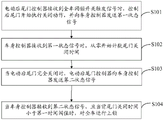
Fig. 1 is a flowchart of a full car locking method according to an embodiment of the present invention;
fig. 2 is a flowchart of a whole vehicle locking method according to a second embodiment of the present invention;
fig. 3 is a block diagram of a vehicle locking system according to a third embodiment of the present invention.
Detailed Description
In order to make the technical solutions and advantages of the present invention clearer, the following will describe embodiments of the present invention in further detail with reference to the accompanying drawings.
Example one
The embodiment provides a full vehicle locking method, which is activated when an ignition switch is in a closed gear, as shown in fig. 1, including steps S101, S102, S103 and S104, which will be described in detail below.
In step S101, when the electric back door controller receives a full car locking switch trigger signal, the electric back door controller controls the back door to start to execute a closing action, and sends a first state signal to the car body controller;
in step S102, when the vehicle body controller receives the first state signal, the tail gate closing time is counted from zero;
in step S103, when the electric back door is completely closed, the electric back door controller sends a second status signal to the vehicle body controller;
in step S104, when the vehicle body controller receives the second status signal and the closing time of the front tailgate is less than the first time threshold, the whole vehicle is locked.
As an optional embodiment, after counting the closing time of the tail gate from zero when the vehicle body controller receives the first status information, the method further includes:
when the electric back door controller receives the interrupt signal, the electric back door controller controls the electric back door to stop executing the closing action;
when the electric back door controller receives the full-vehicle locking switch triggering signal again, the electric back door controller controls the electric back door to continuously execute closing action and sends a third state signal to the vehicle body controller;
and after receiving the third state signal, the automobile body controller resets the closing time of the tail gate to zero and starts counting from zero again.
As an alternative embodiment, after locking the whole vehicle, the method includes:
the vehicle body controller receives the closing state of the vehicle door and the closing state of the engine hood, which are acquired by the sensor;
when the closing state of the vehicle door indicates that the vehicle door is not closed or the closing state of the engine cover indicates that the engine cover is not closed, the vehicle body controller unlocks the whole vehicle and controls the buzzer in the vehicle to buzz.
As an alternative embodiment, when the door closed status indicates that all doors are closed and the hood closed status indicates that the hood is closed, the method further comprises:
the vehicle body controller receives the vehicle key signal intensity in the vehicle detected by the keyless controller;
when the signal intensity of the vehicle key is larger than the first signal intensity threshold value, the vehicle body controller unlocks the whole vehicle and controls the buzzer in the vehicle to buzz.
As an alternative embodiment, the method further comprises:
when the signal intensity of the car key is smaller than the first signal intensity threshold value, the car body controller starts the anti-theft sensor and controls the loudspeaker and the danger alarm flash lamp to cooperate to carry out acousto-optic reminding.
The embodiment provides a whole vehicle locking method which is started when an ignition switch is in a closing gear, and the method comprises the following steps: when the electric back door controller receives a full-vehicle locking switch trigger signal, the electric back door controller controls a back door to start closing action and sends a first state signal to the vehicle body controller; when the automobile body controller receives the first state signal, the closing time of the tail gate is counted from zero; when the electric back door is completely closed, the electric back door controller sends a second state signal to the automobile body controller; and when the vehicle body controller receives the second state signal and the closing time of the current tail gate is less than the first time threshold value, locking the whole vehicle. Therefore, after the user finishes using the trunk, the user only needs to press the whole-vehicle locking switch on the electric back tail door to automatically close the electric back tail door, and after the electric back tail door is completely closed, the whole vehicle is directly locked and defences are set up, convenience of the electric back tail door during use is optimized, and efficiency of the user in using the trunk is improved.
Example two
The embodiment provides a full car locking method, which is activated when an ignition switch is in an off gear, as shown in fig. 2, the method includes steps S201, S202, S203, S204, S205, S206, S207, S208 and S209, and the steps will be described in detail below.
Specifically, when the ignition switch is in the off-position, the key is turned to the LOCK position, namely, the engine is flamed out, the steering wheel is locked, most electric appliances of the whole vehicle are in the power-off position, the vehicle can be judged to be in the stop state at the moment, and a user has the possibility of getting off the vehicle to operate the trunk.
In step S201, when the electric back door controller receives the full car locking switch trigger signal, the electric back door controller controls the back door to start to perform a closing action, and sends a first state signal to the car body controller.
In one possible implementation, a full car locking switch button is arranged on the lower edge of the back door, and when the full car locking switch button is pressed, the full car locking switch sends a full car locking switch trigger signal to the electric back door controller. Specifically, the full-car locking switch trigger signal may be a pulse signal carrying a specific identifier of a full-car locking switch button, and when the electric back door controller receives the pulse signal and determines that the pulse signal is sent by the full-car locking switch button, the pulse signal is regarded as the full-car locking switch trigger signal and the back door is controlled to start to execute a closing action. Through the very intuitive physical key, the user can more quickly close the back door and lock the whole vehicle through the button.
In another possible implementation manner, an infrared full-car locking switch is arranged on the lower edge of the rear bumper and comprises an infrared sensor, and when the infrared sensor detects that an object which is smaller than a first distance threshold value and moves towards the rear bumper exists, the infrared full-car locking switch sends a full-car locking switch triggering signal to the electric rear-end door controller. Utilize infrared whole car shutting switch for the user is at handheld a large amount of article, and when inconvenient pushing the trunk button, can be through the mode that follows under being close to rear bumper with the foot, carries out the closing of back tail-gate and whole car shutting more conveniently.
Specifically, the electric back door controller sends a first state signal to the vehicle body controller through the CAN bus, and the first state signal indicates that the back door starts to be closed from a fully opened state.
In step S202, when the vehicle body controller receives the first status signal, the tailgate closing time is counted from zero.
Specifically, when the vehicle body controller receives the first state signal, a process window is opened in a built-in processor of the vehicle body controller, and the process window is used for receiving a second state signal sent by a subsequent electric back door controller and judging whether a condition for locking the whole vehicle is met or not. When the process window is opened, a built-in timer of the automobile body controller counts the closing time of the tail gate from zero.
As an alternative embodiment, after counting the closing time of the tail gate from zero when the vehicle body controller receives the first status information, the method further comprises:
and when the electric back door controller receives the interrupt signal, controlling the electric back door to stop executing the closing action.
Specifically, the interrupt signal may be sent by any one of the back door control switches, and the back door control switch includes: the rear tail door lock comprises a switch in a vehicle, a switch on the outer side of a rear tail door, a switch on the lower edge of the rear tail door, a switch on the inner side of the rear tail door and a rear tail door switch on a vehicle key, wherein the switches on the lower edge of the rear tail door comprise two switches, one is a common switch, and the other is a whole vehicle locking switch. When the back door is in a motion state in the closing process, any back door control switch is pressed, the user is deemed to need to pause the closing of the back door, possibly, things are left in the trunk and need to be taken out, the pressed back door control switch sends an interrupt signal to the electric back door controller through the CAN bus, and the electric back door controller controls the electric back door to stop executing the closing action, so that the closing process of the back door is flexibly controlled according to the will of the user.
And when the electric back door controller receives the full-vehicle locking switch triggering signal again, the electric back door controller controls the electric back door to continuously execute the closing action and sends a third state signal to the vehicle body controller.
Specifically, in one case, after the closing process of the back door is suspended, if the user takes out the object to be taken out, wants the back door to continue to perform the closing action and wants the whole vehicle to be automatically locked after the back door is closed, the full vehicle locking switch button on the lower edge of the back door is pressed, or the infrared full vehicle locking switch close to the lower part of the rear bumper is pressed by feet, so as to generate the full vehicle locking switch trigger signal again, when the electric back door controller receives the full vehicle locking switch trigger signal again, the back door is controlled to continue to close, and a third status signal is sent to the vehicle body controller through the CAN bus, the third status signal indicates that the back door continues to be closed, and after the back door is closed, the user wants the whole vehicle to be locked.
And after receiving the third state signal, the automobile body controller resets the closing time of the tail gate to zero and starts counting from zero again.
Specifically, after the vehicle body controller receives the third status signal, it is determined that the user wishes to close the back door continuously, and after the back door is closed, the whole vehicle is desired to be locked, and at this time, the back door closing time is reset to zero and counted from zero again, so that after the back door is closed, the whole vehicle can be locked by determining the back door closing time.
In another case, after the closing process of the back door is suspended, if the user takes out the article to be taken out, the user wants the back door to continue to perform the closing action, but does not want the whole car to be automatically locked after the back door is closed, the user CAN press other back door control switches except the whole car locking switch button on the lower edge of the back door, and at the moment, the electric back door controller receives a back door control switch trigger signal to control the back door to continue to close, but does not send a third state signal to the car body controller through the CAN bus.
And when the tail gate closing time is greater than the first time threshold, the vehicle body controller closes a process window which is arranged in the built-in processor and used for receiving a second state signal sent by a subsequent electric tail gate controller, so that the memory occupation of the processor is reduced, and the electric quantity consumption is saved.
It is understood that the first time threshold is not set to limit the time length of closing the back door by the user, but to avoid memory occupation and power waste caused by opening the process window for a long time.
In step S203, when the electric back door is completely closed, the electric back door controller transmits a second status signal to the vehicle body controller.
Specifically, the electric back door controller sends a second status signal to the vehicle body controller through the CAN bus, and the second status signal is used for indicating that the back door is completely closed.
In step S204, when the vehicle body controller receives the second status signal and the closing time of the front tailgate is less than the first time threshold, the whole vehicle is locked.
And when the vehicle body controller receives the second state signal and the closing time of the front tail gate is less than the first time threshold, judging that the rear tail gate is completely closed, and locking the whole vehicle if the locking condition of the whole vehicle is met.
It can be understood that the first time threshold value should be slightly greater than the time required for closing the back door, so that in the closing process of the back door, the user can pause the closing process of the back door for a short time, and after the back door is completely closed, the vehicle body controller can still lock the whole vehicle, so that the user can use the trunk more flexibly.
In step S205, after the entire vehicle is locked, the vehicle body controller receives the door closed state and the hood closed state acquired by the sensor.
In step S206, when the door closed state indicates that the doors are not closed or the hood closed state indicates that the hood is not closed, the vehicle body controller unlocks the entire vehicle and controls the in-vehicle buzzer to buzz.
Specifically, when the hood is not closed or any one of the doors is not closed, it is no doubt meaningless if the vehicle is controlled to enter a secured state, so after the whole vehicle is locked, it is necessary to determine whether all the doors are closed and whether the hood is closed.
The buzzer in the vehicle can be a loudspeaker with sound of the original vehicle, and can also be independently provided.
Since the user may be far away from the vehicle at this time, the reminding manner may be, in addition to the buzzer:
when the closing state of the vehicle door indicates that the vehicle door is not closed or the closing state of the engine hood indicates that the engine hood is not closed, the vehicle body controller unlocks the whole vehicle and sends a reminding instruction to the remote information processor, and the remote information processor generates a corresponding reminding message and sends the reminding message to the mobile terminal after receiving the reminding instruction. Thereby realizing the effect of reminding the user in time.
In step S207, when the door closed state indicates that all the doors are closed and the hood closed state indicates that the hood is closed, the body controller receives the vehicle key signal strength of the vehicle interior detected by the keyless controller.
Specifically, the body controller may send a probing command to the keyless controller via the CAN bus.
And when the keyless controller receives the detection instruction, the antenna in the vehicle is controlled to detect the signal intensity of the vehicle key in the vehicle.
Specifically, there may be a plurality of in-vehicle antennas provided at the front, middle, and rear portions of the inside of the vehicle, respectively.
The keyless controller sends the measured vehicle key signal strength to the vehicle body controller through the CAN bus.
In step S208, when the vehicle key signal strength is greater than the first signal strength threshold, the vehicle body controller unlocks the whole vehicle and controls the in-vehicle buzzer to buzz.
Specifically, since the vehicle body itself has a certain signal shielding function, if the signal intensity of the vehicle key is greater than the first signal intensity threshold, the vehicle body controller determines that the vehicle key is inside the vehicle, and if the signal intensity of the vehicle key is less than the first signal intensity threshold, the vehicle body controller determines that the vehicle key is outside the vehicle.
If after the back door is closed, the whole car is locked, but the car key is still in the car, fortification is carried out to the car this moment, probably can cause the key to be locked and can't take out in the car, causes certain trouble to the user, just needs to carry out the unblock to the whole car this moment to remind the user.
Specifically, the buzzer in the vehicle can be a speaker with sound of the original vehicle, and can also be independently provided.
Since the user may be far away from the vehicle at this time, the reminding manner may be, in addition to the buzzer:
when the signal intensity of the car key is larger than the first signal intensity threshold value, the car body controller unlocks the whole car and sends a reminding instruction to the remote information processor, and the remote information processor generates corresponding words or audio reminding information and sends the words or audio reminding information to the mobile terminal after receiving the reminding instruction.
In step S209, when the vehicle key signal intensity is smaller than the first signal intensity threshold, the vehicle body controller turns on the anti-theft sensor, and controls the horn and the hazard warning flash lamp to cooperate to perform sound and light reminding.
Specifically, when the signal intensity of the vehicle key is smaller than the first signal intensity threshold, the vehicle body controller determines that the vehicle key is not in the vehicle, that is, determines that the vehicle key is not locked in the vehicle.
The anti-theft sensor is used for controlling the loudspeaker to cooperate with the danger alarm flash lamp to carry out sound-light alarm when a user who does not carry a key forcibly opens a door or breaks a window, so that the safety of the whole vehicle is guaranteed.
The sound and light reminding mode can be that the horn buzzes once, the hazard warning flash lamp flickers once, and the sound and light reminding mode is consistent with that when the key is used for locking and fortifying the vehicle.
The embodiment provides a whole-vehicle locking method, which is started when an ignition switch is in a closed gear, controls a back door to start to execute a closing action when an electric back door controller receives a whole-vehicle locking switch triggering signal, and sends a first state signal to a vehicle body controller; when the automobile body controller receives the first state signal, the closing time of the tail gate is counted from zero; when the electric back door is completely closed, the electric back door controller sends a second state signal to the automobile body controller; and when the vehicle body controller receives the second state signal and the closing time of the current tail gate is less than the first time threshold value, locking the whole vehicle. After the whole vehicle is locked, the vehicle body controller receives the vehicle door closing state and the engine hood closing state acquired by the sensor. When the closing state of the vehicle door indicates that the vehicle door is not closed or the closing state of the engine cover indicates that the engine cover is not closed, the vehicle body controller unlocks the whole vehicle and controls the buzzer in the vehicle to buzz. When the door closed state indicates that all the doors are closed and the hood closed state indicates that the hood is closed, the body controller receives a vehicle key signal strength of the interior of the vehicle detected by the keyless controller. When the signal intensity of the vehicle key is larger than the first signal intensity threshold value, the vehicle body controller unlocks the whole vehicle and controls the buzzer in the vehicle to buzz. When the signal intensity of the car key is smaller than the first signal intensity threshold value, the car body controller starts the anti-theft sensor and controls the loudspeaker and the danger alarm flash lamp to cooperate to carry out acousto-optic reminding. Thereby make the user accomplish the use back to the trunk, only need press the whole car shutting switch that is located on electronic back tail-gate, just can make electronic back tail-gate automatic execution close the action, and close the back completely at electronic back tail-gate, directly lock the whole car, and judge the closing condition of door and bonnet through the automobile body controller after locking, and judge whether the car key stays in the car, just seting up defences when satisfying the condition of seting up defences, it is more humanized and security higher, make the user more nimble to the use of trunk, efficiency when having improved the user and using the trunk.
EXAMPLE III
The present embodiment provides a vehicle locking system, which is activated when an ignition switch is in a closed position, as shown in fig. 3, the system includes an electric back door controller 301 and a vehicle body controller 302, wherein:
when the ignition switch is in the closing gear, the key is turned to the LOCK gear, namely the engine is flamed out, the steering wheel is locked, most electric appliances of the whole vehicle are in the gear of the power-off state, the vehicle can be judged to be in the stop state at the moment, and a user has the possibility of getting off the vehicle to operate the trunk.
The electric back door controller 301 is configured to control the electric back door to start a closing action when receiving the full car locking switch trigger signal, and send a first status signal to the car body controller 302.
In one possible implementation, a full car locking switch button is provided at the lower edge of the back door, and when the full car locking switch button is pressed, the full car locking switch sends a full car locking switch trigger signal to the electric back door controller 301. Specifically, the full car locking switch trigger signal may be a pulse signal, and carries a specific identifier of a full car locking switch button, and when the electric back door controller 301 receives the pulse signal and determines that the pulse signal is sent by the full car locking switch button, the pulse signal is regarded as the full car locking switch trigger signal, and the back door is controlled to start to execute a closing action. Through the very intuitive physical key, the user can more quickly close the back door and lock the whole vehicle through the button.
In another possible implementation manner, an infrared full-car locking switch is arranged at the lower edge of the rear bumper, and the infrared full-car locking switch comprises an infrared sensor, and when the infrared sensor detects that an object which is smaller than a first distance threshold value and moves towards the rear bumper exists, the infrared full-car locking switch sends a full-car locking switch trigger signal to the electric back door controller 301. Utilize infrared whole car shutting switch for the user is at handheld a large amount of article, and when inconvenient pushing the trunk button, can be through the mode that follows under being close to rear bumper with the foot, carries out the closing of back tail-gate and whole car shutting more conveniently.
Specifically, the electric back door controller 301 sends a first status signal to the vehicle body controller 302 through the CAN bus, the first status signal indicating that the back door starts to close from the fully open state.
The body controller 302 is configured to count the tailgate closing time from zero upon receipt of the first status signal.
Specifically, when the vehicle body controller 302 receives the first status signal, a process window is opened in a built-in processor of the vehicle body controller 302, and the process window is used for receiving a second status signal sent by the subsequent electric back door controller 301 and determining whether a condition for locking the whole vehicle is met. While the process window is open, a timer built into the body controller 302 counts the tailgate closing time from zero.
As an alternative embodiment, the electric back door controller 301 is further configured to control the electric back door to stop performing the closing action when receiving the interrupt signal after counting the back door closing time from zero when the vehicle body controller 302 receives the first status information.
Specifically, the interrupt signal may be sent by any one of the back door control switches, and the back door control switch includes: the rear tail door lock comprises a switch in a vehicle, a switch on the outer side of a rear tail door, a switch on the lower edge of the rear tail door, a switch on the inner side of the rear tail door and a rear tail door switch on a vehicle key, wherein the switches on the lower edge of the rear tail door comprise two switches, one is a common switch, and the other is a whole vehicle locking switch. When the back door is in a motion state in the closing process, any one back door control switch is pressed, the user is deemed to need to pause the closing of the back door, and possibly things are left in the trunk and need to be taken out, the pressed back door control switch sends an interrupt signal to the electric back door controller 301 through the CAN bus, and the electric back door controller 301 controls the electric back door to stop executing the closing action, so that the closing process of the back door is flexibly controlled according to the will of the user.
The electric back door controller 301 is further configured to control the back door to continue to perform a closing action when the full vehicle locking switch trigger signal is received again, and send a third status signal to the vehicle body controller 302.
Specifically, in one case, after the closing process of the back door is suspended, if the user takes out the object to be taken out, wants the back door to continue to perform the closing operation and wants the whole vehicle to be automatically locked after the back door is closed, the full vehicle locking switch button on the lower edge of the back door is pressed, or the infrared full vehicle locking switch close to the lower part of the rear bumper is pressed, so as to generate the full vehicle locking switch trigger signal again, when the electric back door controller 301 receives the full vehicle locking switch trigger signal again, the back door is controlled to continue the closing operation, and a third status signal is sent to the vehicle body controller 302 through the CAN bus, the third status signal indicates that the back door continues to be closed, and after the back door is closed, the user wants the whole vehicle to be locked.
The body controller 302 is further configured to zero the tailgate closing time and start counting again from zero upon receiving the third status signal.
Specifically, when the vehicle body controller 302 receives the third status signal, it determines that the user wishes to close the back door continuously, and after the back door is closed, the user wishes to lock the whole vehicle, and at this time, the closing time of the back door is reset to zero and counted from zero again, so that after the back door is closed, the whole vehicle can be locked by determining the closing time of the back door.
In another case, after the closing process of the back door is suspended, if the user takes out the article to be taken out, and wants the back door to continue to perform the closing operation, but does not want the whole vehicle to be automatically locked after the back door is closed, the user may press other back door control switches except the whole vehicle locking switch button on the lower edge of the back door, and at this time, the electric back door controller 301 will receive the back door control switch trigger signal to control the back door to continue to close, but will not send the third status signal to the vehicle body controller 302 through the CAN bus.
If the vehicle body controller 302 does not receive the third state signal, the vehicle body controller 302 will continue to count the closing time of the tailgate all the time, and when the closing time of the tailgate is greater than the first time threshold, the vehicle body controller 302 will close a process window in the built-in processor for receiving the second state signal sent by the subsequent electric tailgate controller 301, so that the memory occupation of the processor is reduced, and the power consumption is saved.
It is understood that the first time threshold is not set to limit the time length of closing the back door by the user, but to avoid memory occupation and power waste caused by opening the process window for a long time.
The power tailgate controller 301 is further configured to send a second status signal to the body controller 302 when the power tailgate is fully closed.
Specifically, the electric back door controller 301 sends a second status signal to the vehicle body controller 302 through the CAN bus, where the second status signal is used to indicate that the back door has been completely closed.
The body controller 302 is further configured to lock the entire vehicle when the second status signal is received and the current tailgate closing time is less than the first time threshold.
And when the vehicle body controller receives the second state signal and the closing time of the front tail gate is less than the first time threshold, judging that the rear tail gate is completely closed, and locking the whole vehicle if the locking condition of the whole vehicle is met.
It can be understood that the first time threshold value should be slightly greater than the time required for closing the back door, so that in the closing process of the back door, the user can pause the closing process of the back door for a short time, and after the back door is completely closed, the vehicle body controller can still lock the whole vehicle, so that the user can use the trunk more flexibly.
As an alternative embodiment, after locking the whole vehicle, the vehicle body controller 302 is further configured to receive the door closed state and the hood closed state collected by the sensor.
The body controller 302 is also configured to unlock the entire vehicle and control the in-vehicle buzzer to beep when the door closed state indicates that the doors are not closed or the hood closed state indicates that the hood is not closed.
Specifically, when the hood is not closed or any one of the doors is not closed, it is no doubt meaningless if the vehicle is controlled to enter a secured state, so after the whole vehicle is locked, it is necessary to determine whether all the doors are closed and whether the hood is closed.
The buzzer in the vehicle can be a loudspeaker with sound of the original vehicle, and can also be independently provided.
Since the user may be far away from the vehicle at this time, the reminding manner may be, in addition to the buzzer:
when the closed state of the vehicle door indicates that the vehicle door is not closed or the closed state of the engine hood indicates that the engine hood is not closed, the vehicle body controller 302 unlocks the whole vehicle and sends a reminding instruction to the remote information processor, and the remote information processor generates a corresponding reminding message and sends the reminding message to the mobile terminal after receiving the reminding instruction. Thereby realizing the effect of reminding the user in time.
As an alternative embodiment, the body controller 302 is further configured to receive the vehicle key signal strength of the vehicle interior detected by the keyless controller when the door closed status indicates that all doors are closed and the hood closed status indicates that the hood is closed.
Specifically, the body controller 302 may send a probing command to the keyless controller via the CAN bus.
And when the keyless controller receives the detection instruction, the antenna in the vehicle is controlled to detect the signal intensity of the vehicle key in the vehicle.
Specifically, there may be a plurality of in-vehicle antennas provided at the front, middle, and rear portions of the inside of the vehicle, respectively.
The keyless controller sends the measured vehicle key signal strength to the vehicle body controller 302 via the CAN bus.
The body controller 302 is further configured to unlock the entire vehicle and control the in-vehicle buzzer to beep when the vehicle key signal strength is greater than the first signal strength threshold.
Specifically, since the vehicle body itself has a certain signal shielding function, if the signal intensity of the vehicle key is greater than the first signal intensity threshold, the vehicle body controller 302 determines that the vehicle key is inside the vehicle, and if the signal intensity of the vehicle key is less than the first signal intensity threshold, the vehicle body controller 302 determines that the vehicle key is outside the vehicle.
If after the back door is closed, the whole car is locked, but the car key is still in the car, fortification is carried out to the car this moment, probably can cause the key to be locked and can't take out in the car, causes certain trouble to the user, just needs to carry out the unblock to the whole car this moment to remind the user.
Specifically, the buzzer in the vehicle can be a speaker with sound of the original vehicle, and can also be independently provided.
Since the user may be far away from the vehicle at this time, the reminding manner may be, in addition to the buzzer:
when the signal intensity of the car key is greater than the first signal intensity threshold value, the car body controller 302 unlocks the whole car and sends a reminding instruction to the remote information processor, and after receiving the reminding instruction, the remote information processor generates corresponding text or audio reminding information and sends the corresponding text or audio reminding information to the mobile terminal.
As an alternative embodiment, the vehicle body controller 302 is further configured to turn on the anti-theft sensor and control the horn and the hazard flasher to cooperate for audible and visual warning when the vehicle key signal strength is less than the first signal strength threshold.
Specifically, when the vehicle key signal strength is less than the first signal strength threshold, the vehicle body controller 302 determines that the vehicle key is not in the vehicle, i.e., determines that there is a risk that the vehicle key is not locked in the vehicle.
The anti-theft sensor is used for controlling the loudspeaker to cooperate with the danger alarm flash lamp to carry out sound-light alarm when a user who does not carry a key forcibly opens a door or breaks a window, so that the safety of the whole vehicle is guaranteed.
The sound and light reminding mode can be that the horn buzzes once, the hazard warning flash lamp flickers once, and the sound and light reminding mode is consistent with that when the key is used for locking and fortifying the vehicle.
The present embodiment provides a locking system for a whole vehicle, which is activated when an ignition switch is in a closed position, and the system includes an electric back door controller 301 and a vehicle body controller 302, wherein: the electric back door controller 301 is configured to: when a full-vehicle locking switch trigger signal is received, controlling the electric back door to start closing, and sending a first state signal to the vehicle body controller 302; the body controller 302 is configured to: when a first state signal is received, counting the closing time of the tail gate from zero; the power tailgate controller 301 is further configured to: when the power tailgate is fully closed, a second status signal is sent to the body controller 302; the body controller 302 is further configured to: and when the second state signal is received and the closing time of the front tail gate is less than the first time threshold value, locking the whole vehicle. After locking the entire vehicle, the body controller 302 is further configured to receive the door closed state and the hood closed state collected by the sensor. The body controller 302 is also configured to unlock the entire vehicle and control the in-vehicle buzzer to beep when the door closed state indicates that the doors are not closed or the hood closed state indicates that the hood is not closed. The body controller 302 is further configured to receive a vehicle key signal strength of the vehicle interior detected by the keyless controller when the door closed status indicates that all doors are closed and the hood closed status indicates that the hood is closed. When the signal intensity of the car key is greater than the first signal intensity threshold value, the car body controller 302 unlocks the whole car and controls the buzzer in the car to buzz. The body controller 302 is further configured to turn on the anti-theft sensor and control the horn and the hazard flasher to cooperate for audible and visual reminding when the vehicle key signal strength is less than the first signal strength threshold. Thereby make the user accomplish the use back to the trunk, only need press the whole car shutting switch that is located on electronic back tail-gate, just can make electronic back tail-gate automatic execution close the action, and close the back completely at electronic back tail-gate, directly lock the whole car, and judge the closing condition of door and bonnet through automobile body controller 302 after locking, and judge whether the car key stays in the car, just seting up defences when satisfying the condition of seting up defences, it is more humanized and security higher, make the user more nimble to the use of trunk, efficiency when having improved the user and using the trunk. The present embodiment and the second embodiment are based on the same inventive concept, and are system embodiments corresponding to the second embodiment of the method, so those skilled in the art should understand that the description of the second embodiment is also applicable to the present embodiment, and some technical details are not described in detail in the present embodiment.
The above description is only for facilitating the understanding of the technical solutions of the present invention by those skilled in the art, and is not intended to limit the present invention. Any modification, equivalent replacement, or improvement made within the spirit and principle of the present invention should be included in the protection scope of the present invention.
Claims (10)
1. A method of locking a vehicle, the method being enabled when an ignition switch is in an off position, the method comprising:
when the electric back door controller receives a full-vehicle locking switch trigger signal, the electric back door controller controls the electric back door to start closing, and sends a first state signal to the vehicle body controller;
when the automobile body controller receives the first state signal, counting the closing time of the tail gate from zero;
when the electric back door is completely closed, the electric back door controller sends a second state signal to the automobile body controller;
and when the vehicle body controller receives the second state signal and the closing time of the tail gate is smaller than a first time threshold value, locking the whole vehicle.
2. The method of claim 1, wherein the body controller, upon receiving the first status signal, counts a tailgate closing time from zero, and further comprising:
when the electric back door controller receives the interrupt signal, the electric back door controller controls the electric back door to stop executing the closing action;
when the electric back door controller receives the full-vehicle locking switch triggering signal again, the electric back door controller controls the electric back door to continuously execute closing action and sends a third state signal to the vehicle body controller;
and after receiving the third state signal, the automobile body controller resets the closing time of the tail gate to zero and starts counting from zero again.
3. The method of claim 1, wherein after locking the entire vehicle, the method comprises:
the vehicle body controller receives a vehicle door closing state and a hood closing state acquired by the sensor;
and when the vehicle door closing state indicates that the vehicle door is not closed or the engine hood closing state indicates that the engine hood is not closed, the vehicle body controller unlocks the whole vehicle and controls the buzzer in the vehicle to buzz.
4. The method of claim 3, wherein when the door closed status indicates that all doors are closed and the hood closed status indicates that a hood is closed, the method further comprises:
the vehicle body controller receives the vehicle key signal intensity in the vehicle detected by the keyless controller;
and when the signal intensity of the car key is greater than a first signal intensity threshold value, the car body controller unlocks the whole car and controls the buzzer in the car to buzz.
5. The method of claim 4, further comprising:
and when the signal intensity of the car key is smaller than a first signal intensity threshold value, the car body controller starts the anti-theft sensor and controls the loudspeaker and the danger alarm flash lamp to cooperate to carry out acousto-optic reminding.
6. A locking system for a whole vehicle, which is activated when an ignition switch is in a closed gear, is characterized by comprising an electric back door controller and a vehicle body controller, wherein:
the electric back door controller is configured to control the electric back door to start to execute a closing action and send a first state signal to the vehicle body controller when receiving a full vehicle locking switch triggering signal;
the body controller is configured to count a tailgate closing time from zero upon receiving the first status signal;
the power tailgate controller is further configured to send a second status signal to the body controller when the power tailgate is fully closed;
the vehicle body controller is further configured to lock the whole vehicle when the second state signal is received and the current closing time of the tail gate is smaller than a first time threshold.
7. The system of claim 6, wherein:
the electric back door controller is further configured to control the electric back door to stop executing a closing action when receiving an interrupt signal after counting the closing time of the back door from zero when the vehicle body controller receives the first state signal;
the electric back door controller is further configured to control the electric back door to continuously execute a closing action and send a third state signal to the vehicle body controller when the full vehicle locking switch triggering signal is received again;
the body controller is further configured to zero the tailgate closing time and start counting from zero again upon receiving the third status signal.
8. The system of claim 6,
the vehicle body controller is further configured to receive a door closing state and a hood closing state acquired by a sensor after the whole vehicle is locked;
the vehicle body controller is further configured to unlock the whole vehicle and control the in-vehicle buzzer to buzz when the door closed state indicates that the doors are not closed or the hood closed state indicates that the hood is not closed.
9. The system of claim 8,
the vehicle body controller is further configured to receive a vehicle key signal strength of the vehicle interior detected by the keyless controller when the door closed status indicates that all doors are closed and the hood closed status indicates that the hood is closed;
the vehicle body controller is further configured to unlock the whole vehicle and control the in-vehicle buzzer to buzz when the vehicle key signal strength is greater than a first signal strength threshold.
10. The system of claim 9,
the vehicle body controller is further configured to start the anti-theft sensor and control the loudspeaker and the danger alarm flash lamp to cooperate to carry out acousto-optic reminding when the signal intensity of the vehicle key is smaller than a first signal intensity threshold value.
Priority Applications (1)
| Application Number | Priority Date | Filing Date | Title |
|---|---|---|---|
| CN201810082290.7A CN108297822B (en) | 2018-01-29 | 2018-01-29 | A whole vehicle locking method and system |
Applications Claiming Priority (1)
| Application Number | Priority Date | Filing Date | Title |
|---|---|---|---|
| CN201810082290.7A CN108297822B (en) | 2018-01-29 | 2018-01-29 | A whole vehicle locking method and system |
Publications (2)
| Publication Number | Publication Date |
|---|---|
| CN108297822A CN108297822A (en) | 2018-07-20 |
| CN108297822B true CN108297822B (en) | 2020-03-24 |
Family
ID=62866812
Family Applications (1)
| Application Number | Title | Priority Date | Filing Date |
|---|---|---|---|
| CN201810082290.7A Active CN108297822B (en) | 2018-01-29 | 2018-01-29 | A whole vehicle locking method and system |
Country Status (1)
| Country | Link |
|---|---|
| CN (1) | CN108297822B (en) |
Families Citing this family (3)
| Publication number | Priority date | Publication date | Assignee | Title |
|---|---|---|---|---|
| CN112277880A (en) * | 2020-11-02 | 2021-01-29 | 英博超算(南京)科技有限公司 | Unlocking and locking control method and safety system of intelligent automobile |
| CN114439347A (en) * | 2022-01-29 | 2022-05-06 | 重庆长安汽车股份有限公司 | Logic method for double-click back door control key to close/lock vehicle |
| CN119821322B (en) * | 2025-01-23 | 2025-12-16 | 岚图汽车科技股份有限公司 | Vehicle tailgate control methods, devices, and vehicles |
Citations (6)
| Publication number | Priority date | Publication date | Assignee | Title |
|---|---|---|---|---|
| EP1731699A1 (en) * | 2005-06-09 | 2006-12-13 | Mazda Motor Corporation | A keyless entry system and method for a vehicle |
| CN204077600U (en) * | 2014-08-01 | 2015-01-07 | 浙江吉利控股集团有限公司 | Arrangements for automotive doors solution lock control system |
| CN105346507A (en) * | 2014-08-21 | 2016-02-24 | 上海通用汽车有限公司 | Automobile tail gate self-closing system and method |
| CN205801038U (en) * | 2016-05-26 | 2016-12-14 | 明光现代农业科技合作推广服务中心 | A kind of automobile body antitheft system based on pure electric automobile |
| CN106884595A (en) * | 2017-03-27 | 2017-06-23 | 深圳市金证卡尔电子有限公司 | Electric tail gate control method and device |
| JP2018003447A (en) * | 2016-07-01 | 2018-01-11 | トヨタ自動車株式会社 | Control device for vehicle |
-
2018
- 2018-01-29 CN CN201810082290.7A patent/CN108297822B/en active Active
Patent Citations (6)
| Publication number | Priority date | Publication date | Assignee | Title |
|---|---|---|---|---|
| EP1731699A1 (en) * | 2005-06-09 | 2006-12-13 | Mazda Motor Corporation | A keyless entry system and method for a vehicle |
| CN204077600U (en) * | 2014-08-01 | 2015-01-07 | 浙江吉利控股集团有限公司 | Arrangements for automotive doors solution lock control system |
| CN105346507A (en) * | 2014-08-21 | 2016-02-24 | 上海通用汽车有限公司 | Automobile tail gate self-closing system and method |
| CN205801038U (en) * | 2016-05-26 | 2016-12-14 | 明光现代农业科技合作推广服务中心 | A kind of automobile body antitheft system based on pure electric automobile |
| JP2018003447A (en) * | 2016-07-01 | 2018-01-11 | トヨタ自動車株式会社 | Control device for vehicle |
| CN106884595A (en) * | 2017-03-27 | 2017-06-23 | 深圳市金证卡尔电子有限公司 | Electric tail gate control method and device |
Also Published As
| Publication number | Publication date |
|---|---|
| CN108297822A (en) | 2018-07-20 |
Similar Documents
| Publication | Publication Date | Title |
|---|---|---|
| US10999718B2 (en) | Vehicle function control device and vehicle function control system | |
| CN110593712A (en) | Opening method of electric tail gate of vehicle | |
| CN114439346B (en) | Vehicle trunk control method and system | |
| US20150165932A1 (en) | Vehicle Rear Seat Reminder Systems and Methods | |
| CN110242151A (en) | Control method, device and automobile is automatically closed in a kind of automobile tail gate | |
| CN106515613A (en) | Alarm method and device based on keyless start intelligent entry system | |
| KR20120124296A (en) | Method for controlling smartkey system for door lock | |
| JP2003155858A (en) | Vehicle door unlocking device | |
| CN104627124A (en) | Automatic opening system and method of automotive rear gate | |
| CN105346507A (en) | Automobile tail gate self-closing system and method | |
| CN110626154A (en) | A vehicle door opening warning method, device and system | |
| JP4213677B2 (en) | Vehicle anti-theft device with power door | |
| CN109131074B (en) | Warning method and system for preventing life bodies in vehicle from being left | |
| CN108297822A (en) | A kind of full vehicle locking method and system | |
| JP2009150187A (en) | Door lock control method, door lock control device, and control program to be executed by computer of door lock control device | |
| CN103590671B (en) | Preventing car Intelligent key locks in the method in luggage case by mistake | |
| JP2004322917A (en) | Warning device for forgetting turning off light and locking door of vehicle | |
| JP2015168325A (en) | Vehicle alarm system | |
| CN107914659A (en) | Automatic reminding method, device, vehicular rear mirror and storage medium | |
| KR101584915B1 (en) | System and method for detecting intrusion using intrusion detection of dual mode | |
| CN118597023A (en) | Vehicle alarm method, device, vehicle and storage medium | |
| CN116923316A (en) | Method for operating a switching element of a vehicle and vehicle | |
| US7649443B2 (en) | Antitheft apparatus | |
| KR102463713B1 (en) | Apparatus for controlling sliding door of a vehicle and method thereof | |
| CN115091977B (en) | Charging prompt method and device, central control equipment, charging prompt system and vehicle |
Legal Events
| Date | Code | Title | Description |
|---|---|---|---|
| PB01 | Publication | ||
| PB01 | Publication | ||
| SE01 | Entry into force of request for substantive examination | ||
| SE01 | Entry into force of request for substantive examination | ||
| GR01 | Patent grant | ||
| GR01 | Patent grant |